
Concealer For Dark Circles And Blemishes - How To Flawlessly Hide Anything Without Caking
Understand the color theory secrets to hide under-eye shadows and camouflage stubborn breakouts.
Ever applied a generous swipe of concealer over a breakout, only to watch it slide off three hours later? Or packed a full-coverage cream under your eyes, only to find it settled into fine lines, making you look more tired than before you started?
You aren't alone. One of the biggest missteps in everyday makeup routines is treating all skin imperfections the same. The truth is, your skin requires completely different strategies depending on what you are trying to disguise. Using concealer to cover dark circles requires a completely different formulation and application method than what you need to cover blemishes.
Why One Concealer Cannot Do It All
Before reaching for your makeup bag, it helps to understand why a single product fails when multitasking across different areas of the face. Your skin varies dramatically in thickness, oil production, and movement from zone to zone.
|
Under-Eye Zone (Dark Circles) |
Facial Zone (Blemishes/Breakouts) |
|
Extremely thin, delicate skin |
Thicker skin with active pores |
|
Zero oil glands (prone to dryness) |
Elevated oil and sebum production |
|
Constant movement (blinking/smiling) |
Raised texture and local inflammation |
|
Needs - Hydrating, flexible liquids |
Needs - Thick, high-pigment, matte formulas |
The Under-Eye Dynamics
The skin surrounding your eyes is the thinnest on your entire body. Because it lacks sebaceous (oil) glands, it is perpetually prone to dehydration. When you apply a dry, heavy, or highly matte product here, the formula behaves like a sponge, sucking up the skin's minimal moisture and cracking every time you blink, smile, or talk. To eliminate a shadow using a concealer, dark circles demand fluid elasticity and light-reflecting particles that move with your expressions. For under-eye brightening, try this Ambi Under Eye Serum.

The Anatomy of a Blemish
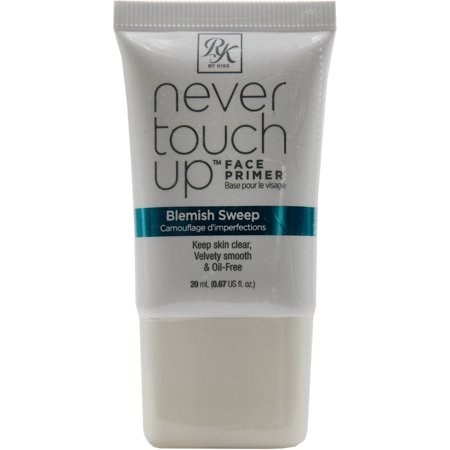
A blemish or acne breakout is a localized, raised area of inflammation. It is often accompanied by heat, excess sebum, and flaky patches of healing skin. If you apply a thin, radiant, or ultra-hydrating liquid over a pimple, the oils in your skin will break the formula down within hours. To effectively cover blemishes, you need a dense, high-pigment, matte cream that grips onto the skin texture and anchors itself in place despite heat and oil production. To hide your blemishes, get your hands on Ruby Kisses Never Touch Up TM Blemish Sweep.
How to Use a Color Correcting Concealer
If you have ever tried to cover a dark purple under-eye circle or a bright red pimple with a skin-toned concealer, you know it often results in a muddy, grey, or ashen cast. This happens because you are trying to hide a strong, contrasting color with a neutral beige.
To achieve a clean finish without piling on heavy layers of makeup, you need to utilize color theory. By introducing a color-correcting concealer into your routine, you chemically neutralize the unwanted undertone before your skin-toned makeup even touches your face.
|
Corrector Color |
Target Imperfection |
How It Works (Color Theory) |
|
Green |
Redness, active blemishes, and rosacea |
Green sits directly opposite red on the color wheel, instantly neutralizing the fire and minimizing inflammation visually. |
|
Peach / Salmon |
Blue or purple undertones (dark circles) |
Warm peach tones counteract the cool blue and gray shadows under the eyes, creating a neutral canvas. |
Neutralizing Dark Circles
Under-eye darkness typically carries deep blue, purple, or gray undertones due to blood vessels showing through the thin skin. According to the color wheel, the direct complements to blue and purple are orange and yellow.
-
Fair to Medium Skin Tones - Look for a color-correcting concealer with a soft peach or salmon tint.
-
Deep Skin Tones - Opt for a rich orange or terracotta corrector.
-
How it works - Applying this directly over the darkest shadow cancels out the blue hue, turning the area into a neutral canvas that requires very little standard concealer afterward.
Neutralizing Blemishes and Redness
Active breakouts, broken capillaries, and post-inflammatory hyperpigmentation (acne scars) are heavily driven by red and pink tones. The structural opposite of red on the color wheel is green.
-
How does it work? A light layer of a mint-green color-correcting concealer over an angry breakout immediately puts out the fire visually. It dials down the redness to a muted tone, allowing a standard concealer to completely mask the blemish without looking thick or cakey.
Best Concealers for Dark Circles (Hydration & Brightening)
When shopping for an under-eye formula, your primary objective is moisture retention and light dispersion. You want a liquid or serum-infused base loaded with skin-loving humectants (moisture magnets) like hyaluronic acid or glycerin.
1. Maybelline Instant Age Rewind Eraser
-
Average Price - ~$15
-
The Formulation - A cult-favorite, budget-friendly staple for a reason. This lightweight liquid features a micro-corrector applicator sponge that evenly distributes a buildable, fluid formula. It hydrates the skin without settling into fine lines, making it an excellent daily option for brightening up tired eyes.
2. IT Cosmetics Bye Bye Dark Spots Concealer + Serum
-
Average Price - ~$43
-
The Formulation - A premium, clinically-backed hybrid product that acts as both a high-performance makeup and a treatment serum. Infused with niacinamide (Vitamin B3) and hyaluronic acid, it actively treats the root causes of under-eye darkness and dehydration over time while providing immediate, radiant coverage.
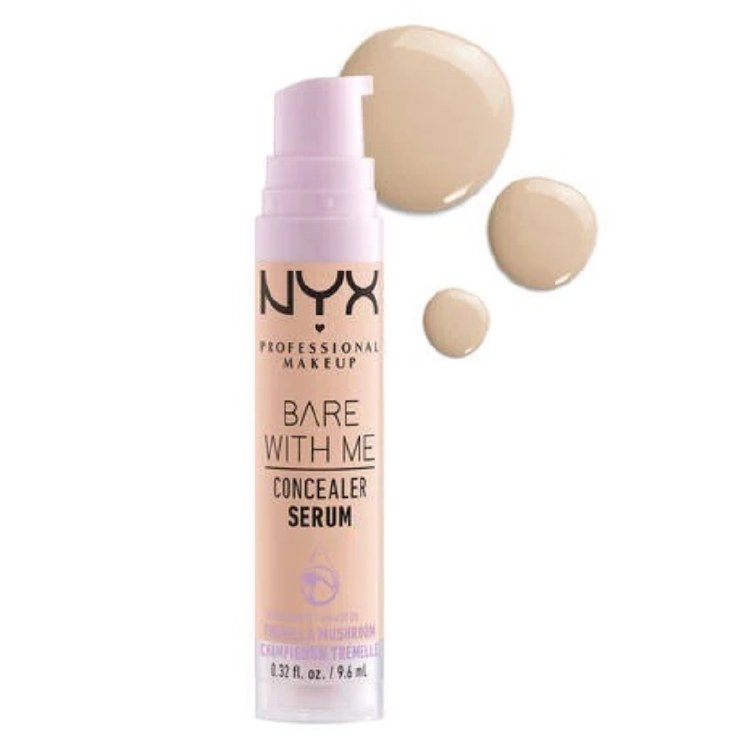
3. NYX Professional Makeup Bare With Me Concealer Serum
-
The Formulation - If your under-eye area is prone to dry flakes or sensitivity, this serum-infused concealer is a game-changer. It delivers medium, buildable coverage with an ultra-lightweight, skin-like finish that mimics your natural texture. Formulated with tremella mushroom, cica, and green tea, it douses the delicate eye area in 24-hour hydration while instantly diffusing shadows.
-
Best Concealers for Blemishes (High-Coverage & Matte)
To mask a breakout, you must step away from liquid serums and transition to high-density creams and pots. These formulas contain a much higher percentage of pure pigment per drop, meaning you need far less product to achieve total opacity.
1. TFIT Cover Up Pro Concealer Palette
-
Average Price - ~$29
-
The Formulation - This globally trending 3-in-1 cream palette is an aesthetician's favorite. Because a single breakout can range from bright red to dark brown as it heals, having three customizable shades allows you to mix and match an exact color match for your skin tone. It offers a 12-hour, transfer-resistant grip that seals over texture flawlessly.
2. NARS Soft Matte Complete Concealer
-
Average Price - ~$32
-
The Formulation - An oil-free, full-coverage cream pot that delivers an ultra-smooth, matte finish. It uses advanced blurring powders to optically smooth out the raised profile of a blemish, absorbing excess sebum throughout the day so your coverage never melts away.
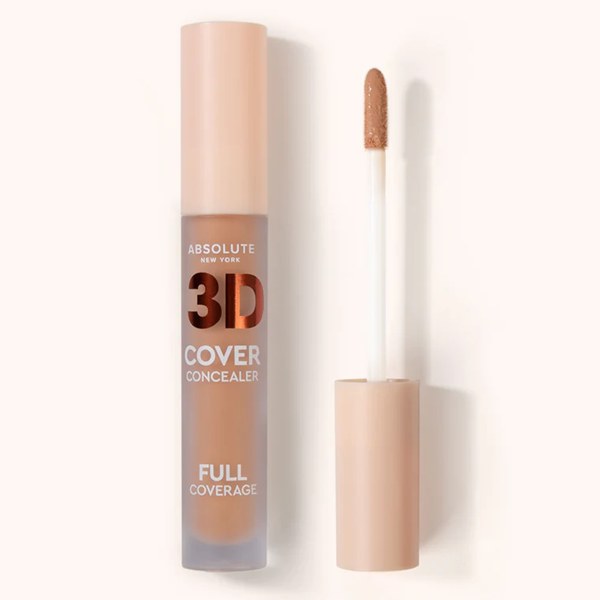
3. Absolute New York 3D Cover Concealer
-
The Formulation - An absolute powerhouse for spot-correcting and high-impact coverage. This formulation provides a velvety, full-coverage matte finish that completely masks hyperpigmentation, acne scars, and active breakouts. Its maximum-pigment formula stays locked in place, ensuring that redness doesn't peek through, even in humid environments.
Step-by-Step Concealer Application Guide
Now that you have selected your targeted formulas, it is time to execute the application with professional precision. Remember the golden rule of makeup chemistry - always layer your liquid and cream products first, then lock them in place with powders. For a deep dive into the proper sequencing of your entire face routine, check out our guide on Face Makeup Application Order.
1. Prep and Hydrate the Skin - Prerequisite
Cleanse your skin and apply a targeted hydrating eye cream under the eyes and a lightweight moisturizer over the face. Let it absorb completely for 3 to 5 minutes so your makeup doesn't slip around on a wet surface.
2. Targeted Color Correction - First Layer.
Apply a tiny dot of peach/salmon color-correcting concealer only to the darkest hollow of the under-eye. Dot a microscopic amount of green color corrector directly onto the red head of any active blemishes. Blend gently with your ring finger using a tapping motion until the stark color softens.
3. Brighten the Under-Eyes - Second Layer - Liquids.
Take your hydrating liquid concealer (like the NYX Concealer Serum) and choose a shade 1 to 2 tones lighter than your foundation. Apply it in precise, upward strokes at the inner and outer corners of the eyes. Use a damp, bouncy makeup sponge to press and roll the product into the skin. This creates an instant optical lifting effect.
4. Camouflage the Blemishes - Second Layer - Creams.
Take your high-pigment matte cream concealer (like the Absolute 3D Cover) and choose an exact match to your foundation. Using a small, stiff detail brush, dab a tiny dot directly on top of the blemish. Let it sit untouched for 60 seconds to build its coverage capacity. Then, take the brush or a clean finger and gently blend only the outer edges of the dot so it melts seamlessly into your surrounding skin. Do not rub the center!
5. The Stipple and Lock Technique - Final Step - Setting.
Never wipe your face with powder. Dip a fluffy brush or a powder puff into a translucent setting powder, tap off the excess, and gently press or stipple it over the concealed areas. If you prefer using a makeup sponge to press down your powder, make sure you understand the absolute necessity of using a hygienic beauty blender; saturating it fully with water and washing it after every single use prevents trapped bacteria from causing new breakouts. This interlocking barrier locks the wet creams into place, ensuring your hard work stays put from morning until night.
Pro Tip for Texture - When trying to cover blemishes, a common mistake is trying to flatten the bump with makeup. Makeup changes color, not physical structure. Focus entirely on neutralizing the color (redness), and let the natural matte finish handle the optical illusion of flattening the surface.
Comparison - Choosing Your Targeted Toolkit
To make your next shopping trip to Beauty Depot Online straightforward, use this quick-reference table to identify exactly what your routine is currently missing:
|
Feature |
For Under-Eye Dark Circles |
For Acne & Blemishes |
|
Primary Goal |
Hydrate, brighten, and diffuse shadows |
Mask redness, flatten texture optically, and resist oil |
|
Ideal Formulation |
Liquid, serum-hybrid, or light-reflecting cream |
Dense cream, stick, or high-pigment pot |
|
Finish |
Radiant, dewy, or natural satin |
Full-coverage, oil-free matte |
|
Color Correction |
Peach, salmon, or deep orange tones |
Mint green or olive tones |
|
Key Ingredients |
Hyaluronic acid, niacinamide, peptides |
Blurring powders, zinc, oil-absorbing clays |
|
Application Tool |
Damp makeup sponge or ring finger |
Stiff detail brush or precision concealer brush |
Long-Term Skin Health and Prevention
While makeup is an incredible tool for boosting daily confidence, your ultimate goal should always be optimizing your skin's natural health. If you find your skin constantly reacting to products or developing severe breakouts, it is vital to take a step back and examine your formulations. To protect your barrier and prevent future imperfections, read up on our comprehensive guide to Allergic Reactions From Makeup & Patch Testing.
Additionally, look for modern cosmetic hybrids that infuse cutting-edge skincare science directly into their makeup bases. As highlighted in our look at Skincare Trends & Ingredients, modern beauty solutions are leveraging advanced ingredients like cross-linked hyaluronic acid matrices and barrier-supporting peptides. By investing in products that treat your skin while covering it, you pave the way for a naturally radiant canvas that requires less coverage over time.
Ready to upgrade your beauty routine? Head over to Beauty Depot Online to explore our extensive inventory of professional-grade concealers, color correctors, and skin-loving cosmetics designed for every unique skin tone and type!
Frequently Asked Questions
1. Should I apply color corrector before or after my foundation?
Always apply your color-correcting concealer before your foundation and standard concealer. Think of color correcting as neutralizing the canvas. If you apply it on top of your foundation, the green or peach tint will sit on the surface, leaving your skin looking unnaturally muddy or discolored.
2. Why does my under-eye concealer always crack and look cakey?
This happens for two main reasons: lack of hydration or using the wrong formula. The skin under your eyes has no oil glands, so if you use a thick, matte formula designed to cover blemishes, it will immediately suck dry the area and crack when you smile. Switch to a hydrating liquid serum formula and ensure you prime the area with a moisturizing eye cream first.
3. Can I use a green color corrector on my dark under-eye circles?
No. Green is designed strictly to neutralize red tones like breakouts or rosacea. If you apply green over blue or purple under-eye circles, it will actually make the area look gray, ashen, and even more tired. For dark circles, always reach for warm peach, salmon, or orange tones.
4. How do I stop my blemish concealer from melting off by lunchtime?
The secret is matching texture to texture. Liquid concealers will slide right off an oily, inflamed breakout. You need a dense, oil-free matte cream that physically grips the skin. Additionally, let the concealer sit on the spot untouched for 60 seconds before blending the edges, and always lock it in by pressing a translucent setting powder over the top. To ensure your makeup doesn't worsen the breakout while keeping it in place, the American Academy of Dermatology Association (AAD) recommends strictly using cosmetics labeled as "non-comedogenic" (meaning they won't clog pores) and always applying them with freshly washed tools to prevent oil-trapping bacteria from multiplying on your skin.
5. Should my concealer match my foundation exactly?
It depends on where you are putting it! For an under-eye concealer, dark circles benefit from a shade that is 1 to 2 tones lighter than your foundation to draw light to the area and create a brightening effect. However, when you want to cover blemishes, your concealer must be an exact match to your foundation so you don't accidentally highlight the bump you are trying to hide.