
Allergic Reactions From Makeup - How To Patch Test Beauty Products For Cosmetic Safety
Simple dermatologist-recommended safety strategies to identify cosmetic allergy triggers.
Few things match the excitement of unboxing a brand-new foundation, a vibrant eyeshadow palette, or a luxurious serum. You anticipate a flawless finish, an ethereal glow, or a bold new look. But for many beauty enthusiasts, that excitement quickly turns into discomfort when a new cosmetic triggers a fiery, red, or itchy rash.
An allergic reaction makeup incident can happen to anyone, regardless of skin type, age, or whether you have a history of sensitive skin.
When your skin rebels against a cosmetic formula, it isn't just frustrating; it can deeply impact your confidence and disrupt your daily routine. Because our skin is an interactive, living organ, it responds dynamically to the complex chemicals, botanicals, and preservatives we apply to it. Understanding why these reactions happen and learning how to protect yourself is the key to maintaining a radiant, healthy complexion.
Skin Sensitivities With Makeup - Irritation vs. Allergy
To manage your skin health effectively, you must first understand exactly what happens when your skin reacts negatively to a cosmetic. Many people use the terms irritation and allergy interchangeably, but medically, they represent two entirely different biological pathways.
Cosmetic Application
↳ Immediate Skin Barrier Breakdown → Irritant Contact Dermatitis (Non-Immune)
↳ Delayed Immune System Activation → Allergic Contact Dermatitis (T-Cell Mediated)
Irritant Contact Dermatitis (The Fast Reaction)
Irritant contact dermatitis is a localized, non-immune reaction. It occurs when a substance physically damages your skin's protective outer lipid barrier. Think of it as a chemical burn or friction on a microscopic scale.
-
How it behaves - It usually happens quickly, within minutes or hours of application.
-
What it feels like - You will typically experience immediate stinging, burning, or redness strictly confined to the exact spot where the product was applied.
-
Common culprits - High concentrations of active ingredients like retinol, alpha-hydroxy acids (AHAs like glycolic or lactic acid), vitamin C, or harsh foaming agents like sodium lauryl sulfate (SLS).
Allergic Contact Dermatitis (The Delayed Response)
An allergic reaction makeup episode, known medically as allergic contact dermatitis, is a completely different beast. This is a delayed, Type IV cell-mediated immune response. When an allergen touches your skin, your immune system’s T-cells recognize it as a dangerous invader and trigger an inflammatory cascade.
-
How it behaves - This reaction is famously sneaky. Because it relies on immune system activation, symptoms rarely appear instantly. It typically takes 24 to 48 hours, and sometimes up to 7 to 10 days of continuous use, for the rash to manifest.
-
What it feels like - Intense itching, swelling, blistering, or a spreading, scaly rash. Unlike simple irritation, an allergic reaction can spread beyond the initial application site, moving from your eyelids down to your cheeks or neck.
-
The sensitization phase - You can use a specific mascara or moisturizer for months, or even years, with zero issues, only for your immune system to suddenly decide it dislikes an ingredient. Once your body becomes sensitized to an allergen, it remembers it for life, causing a beauty product allergy reaction every subsequent time you use it.
Common Cosmetic Allergens - Decoding the Ingredient List
Modern cosmetics are masterpieces of chemical engineering, blending emulsifiers, texturizers, pigments, and shelf-stabilizers. However, this complexity means a single product can contain dozens of potential triggers.
If you want to dodge a severe allergic reaction or makeup disaster, you need to know how to scan ingredient lists for the most frequent offenders.
|
Allergen Category |
Common Trigger Ingredients |
|
FRAGRANCES |
Synthetic Parfum, Essential Oils (Limonene, Linalool, Eugenol, Geraniol) |
|
PRESERVATIVES |
Parabens, Phenoxyethanol, Formaldehyde Releasers (DMDM Hydantoin, Quaternium-15), MIT / CMIT |
|
METALS & DYES |
Nickel, Cobalt, Coal Tar Derivatives, Synthetic Colorants (CI followed by numbers) |
Fragrances (The Number One Trigger)
Fragrance is the leading cause of allergic contact dermatitis. Companies often shield their proprietary scent blends under the ambiguous terms parfum or fragrance on the ingredient label, which can mask a mixture of dozens of distinct chemical components.
-
The Natural Trap - Do not assume that organic or plant-based products are safe. Natural essential oils, such as lavender, ylang-ylang, tea tree, peppermint, and citrus oils, contain naturally occurring volatile compounds like limonene, linalool, eugenol, and geraniol. These are highly potent allergens capable of inciting a severe skin reaction.
Preservatives (The Shield Against Bacteria)
Because water-based cosmetics (like liquid foundations, concealers, and creams) are breeding grounds for bacteria, mold, and fungi, preservatives are non-negotiable for product safety. However, the exact ingredients that keep your makeup shelf-stable can also spark an immune revolt.
-
Parabens - Methylparaben, ethylparaben, and propylparaben are widely used and, despite public scrutiny, actually have a relatively low incidence of allergy compared to newer alternatives.
-
Phenoxyethanol - A very common alternative to parabens that can trigger eczema-like reactions in sensitive individuals.
-
Formaldehyde-Releasing Agents - Ingredients like DMDM hydantoin, diazolidinyl urea, imidazolidinyl urea, and quaternium-15 slowly release microscopic amounts of formaldehyde over time to keep products sterile. They are notorious for triggering cosmetic allergies.
-
Methylisothiazolinone (MIT) - Once commonly used in leave-on creams, this preservative caused such a massive global spike in contact allergies that it is now largely restricted to rinse-off products, though it still poses a risk.
Metals and Synthetic Dyes
Heavy pigments are required to create deep eyeshadow colors, shimmering highlighters, and rich lipsticks.
-
Contaminant Metals - Traces of metals like nickel, cobalt, and chromium are often present as natural contaminants in mineral powders and earth-derived iron oxides. If you have a known jewelry allergy (usually caused by nickel), you may experience a reaction to certain metallic or mineral eyeshadows.
-
Coal Tar Dyes - Synthetic colorants derived from petroleum or coal tar (often listed as D&C or FD&C followed by a color and number, such as FD&C Yellow No. 5) are highly regulated but remain frequent triggers for lip and eyelid swelling.
Why Natural and Hypoallergenic Labels Can Be Misleading
When shoppers discover they have a beauty product allergy, their immediate instinct is to seek out products explicitly labeled hypoallergenic, natural, clean, or dermatologist-tested.
While these buzzwords provide psychological comfort, they offer very little medical guarantee.
The global beauty market is largely self-regulated when it comes to marketing terminology. The U.S. Food and Drug Administration (FDA) does not maintain a strict, legally binding definition for the term hypoallergenic. Any brand can print hypoallergenic on its bottle to imply that the product is less likely to cause an allergic reaction, without having to submit clinical proof to a regulatory body.
The Reality Check - A natural product made with organic chamomile, beeswax, and cold-pressed nut oils might sound incredibly soothing. However, if you have an environmental allergy to ragweed, your immune system may cross-react with chamomile. Similarly, those with tree nut allergies can react to almond or macadamia oils in cosmetics.
Ultimately, marketing labels cannot alter your unique genetic makeup. The only foolproof method to verify if a formulation is safe for your specific skin chemistry is to perform a systematic patch test of beauty products evaluation before global application.
The Step-by-Step Guide to At-Home Patch Testing
The ultimate insurance policy for your face is an at-home patch test. It costs nothing, requires minimal effort, and protects you from the painful reality of dealing with a full-face rash.
Here is the exact protocol recommended by board-certified dermatologists to correctly patch test beauty products:
[Day 1] Choose Spot → Apply Product → Observe Leave-on/Rinse-off Windows
[Days 2-10] Apply Product → Monitor Daily for Delayed Changes
Step 1 - Select the Perfect Test Location
You need an area of skin that matches the sensitivity of your face but is discreet enough to hide a reaction if one occurs.
-
The Inner Forearm - Excellent for its ease of monitoring.
-
The Crook of the Elbow - Skin here is thinner and highly reactive.
-
Behind the Ear or the Jawline - Ideal if you are testing a product designed to treat acne or facial skin specifically, as the sebaceous glands here closely mimic facial skin chemistry.
Step 2 - Cleanse the Area
Wash a quarter-sized patch of your chosen test site with a mild, fragrance-free cleanser and pat it dry. Remove any residual lotions or oils that could interfere with the test.
Step 3 - Apply the Product
Apply a small, normal-thickness layer of the cosmetic to the test site.
-
For Leave-On Products (Foundations, Primers, Serums) - Leave the product on the skin for a full 24 hours. Do not wash the area, and avoid heavy friction from clothing or tight sleeves.
-
For Rinse-Off Products (Cleansers, Peels, Masks) - Keep the product on your skin for the exact duration specified in the product instructions (usually 5 to 15 minutes), then rinse it away completely with lukewarm water.
Step 4 - Monitor and Wait (The 7-to-10-Day Rule)
This is where most beauty consumers make a critical mistake - they wait 24 hours, see no redness, and immediately slather the product all over their faces.
Because allergic contact dermatitis is a delayed immune response, dermatologists advise repeating the application to your small test spot twice a day for 7 to 10 days. This cumulative exposure gives your immune system ample time to recognize the compounds and display a reaction if a sensitivity exists.
Evaluating Specific Product Types
-
Active Skincare Serums - When testing products containing retinol, vitamin C, or exfoliating acids, a mild, fleeting tingling sensation that disappears within 2 to 3 minutes is generally normal. However, persistent burning, peeling, or deep redness indicates that the formulation’s concentration is too aggressive for your skin barrier.
-
Acne-Prone Skin - If your primary concern isn't an allergy, but rather finding out whether a product causes breakouts or clogs pores (comedogenicity), modify your test. Apply the product to a localized, small area of your jawline for 3 to 5 days. If no new inflammatory bumps or closed comedones form, the product is likely safe for full-face application.
What to Watch Out For - Recognizing a Reaction
As you monitor your patch test or assess your current makeup routine, you must know how to identify the distress signals of a compromised skin barrier or an active immune response.
|
Reaction Type |
Symptoms to Watch For |
|
Mild Irritation |
|
|
True Allergic Reaction |
|
If you observe any of the true allergic reaction signs on your patch test site, it is a clear warning signal - do not apply this product to your face. Wash the test area immediately and log the product's ingredient list for future cross-referencing.
Immediate Emergency Action - How to Treat an Active Makeup Allergy
If you skipped the patch test and woke up to a swollen, burning, red face caused by an allergic reaction to makeup, try not to panic. Taking immediate, systematic action can dramatically reduce the duration and severity of the flare-up.
Step 1 - The Emergency Elimination Wash
Head straight to the sink. Wash your face thoroughly but gently with lukewarm water and a basic, non-foaming, fragrance-free cleanser.
-
Do not scrub your skin. Avoid washcloths, sonic cleansing brushes, and facial scrubs.
-
Your skin barrier is currently ruptured and highly vulnerable; friction will only drive the allergen deeper into the tissue and worsen the inflammation.
Step 2 - Cool and Soothe
To constrict dilated blood vessels and ease intense burning or itching, wrap an ice pack or a bag of frozen vegetables in a clean, soft cotton towel and apply it to your face for 10 to 15 minutes at a time.
Step 3 - Minimalist Moisture and Topical Relief
Stop your entire multi-step skincare routine immediately. Eliminate all toners, essences, vitamin C serums, and anti-aging creams. Strip your routine down to bare essentials:
-
Pure Petroleum Jelly - Apply a thin layer of plain white petrolatum (like Vaseline). It is a highly inert, single-ingredient occlusive that protects the exposed nerve endings without introducing any potential allergens.
-
Hydrocortisone Cream - For moderate itching and swelling, you can apply an over-the-counter 1% hydrocortisone cream sparingly to the affected areas twice a day for no more than 3 to 5 consecutive days. Note - Avoid applying hydrocortisone too close to your eyes unless directed by a physician.
-
Oral Antihistamines - If you are dealing with widespread hives or facial puffiness, taking an over-the-counter, non-drowsy oral antihistamine (such as cetirizine, loratadine, or fexofenadine) can block the histamines driving the swelling and provide immense relief from itching.
Step 4 - The Skin Fast (Isolating the Culprit)
Keep your skin completely bare of makeup for at least one full week after all symptoms have completely subsided. When you are ready to reintroduce cosmetics, do not return to your old routine all at once. Introduce exactly one product at a time, waiting 48 to 72 hours between each item to closely monitor how your skin responds.
When to See a Dermatologist - Professional Patch Testing
While at-home patch testing is an exceptional screening tool for individual products, it cannot tell you the exact chemical molecule causing your suffering. If you experience recurring, mysterious rashes, severe skin blistering, or simply cannot pinpoint which ingredient is triggering your beauty product allergy, it is time to seek professional medical intervention.
A board-certified dermatologist can perform clinical, diagnostic patch testing. This is a highly controlled, scientific evaluation designed to test you against the Standard Series, a collection of the top 30 to 80 most common environmental and cosmetic allergens globally.
[Day 1 - Strips Applied to Back] → [Day 3 - First Reading (48h)] → [Day 5 - Final Reading (96h)]
The Professional Patch Test Process
-
Application - Your doctor will apply several adhesive strips containing microscopic, non-lethal quantities of specific allergens (like specific fragrances, preservatives, and metals) to the skin on your back. No needles or punctures are involved.
-
The Waiting Period - You must wear these patches continuously for 48 hours. During this phase, you must avoid heavy exercise, excessive sweating, or getting your back wet in the shower, as moisture can wash away the allergens and invalidate the results.
-
The First Reading (48 Hours) - The dermatologist removes the patches and carefully documents any localized reactions, such as small red squares or mild swelling.
-
The Second Reading (72 to 96 Hours) - You return to the clinic two days later for a final evaluation. Because allergic reactions are delayed, many hidden sensitivities only show up during this final window.
Once your specific triggers are mapped out, your dermatologist can provide you with a customized list of safe ingredients, helping you confidently shop the aisles at Beauty Depot Online without fear of a reaction.
Long-Term Prevention - Shopping Smart for Sensitive Skin
Living with sensitive or allergy-prone skin doesn't mean you have to give up your love for makeup. It simply means you need to shift from an impulsive shopper to an informed, strategic consumer. Use these long-term prevention rules to keep your cosmetic routine safe and beautiful:
Keep a Digital Reaction Log
Whenever a cosmetic item fails your home patch test or causes irritation, snap a photo of the ingredient panel on the back of the packaging. Save these images in a dedicated folder on your phone. Over time, if you react to three different products and notice that Phenoxyethanol or Linalool is present in all three, you have successfully isolated a primary suspect.
Cross-Reference with Trusted Medical Databases
Before clicking add to cart on a new, untried formulation, use online tools to check ingredient safety profiles. You can read up on verified contact allergens through resources like the American Academy of Dermatology (AAD) or use the FDA Allergens in Cosmetics Guide to learn about structural changes in cosmetic manufacturing laws.
Choose Specialized Formulations
Prioritize brands that formulate explicitly for compromised or ultra-reactive skin barriers. Look for products that carry verified credentials, such as the Allergy UK Seal of Approval, which guarantees a formula has been independently chemically vetted and clinically tested to ensure it is clear of notorious sensitizers.
Top Gentle Makeup Options Available at Beauty Depot Online
If your at-home patch test beauty products evaluation has forced you to throw away formulas filled with irritating artificial perfumes or harsh chemical stabilizers, you do not have to abandon your beauty routine. The secret is moving toward minimalist powder bases or hydration-focused liquid hybrid formulas that prioritize skin comfort.
Here are three highly compatible, gentle makeup options you can find directly in our inventory at Beauty Depot Online to minimize the risk of an allergic reaction or makeup flare-up:
1. For a Clean, Low-Irritation Matte Finish
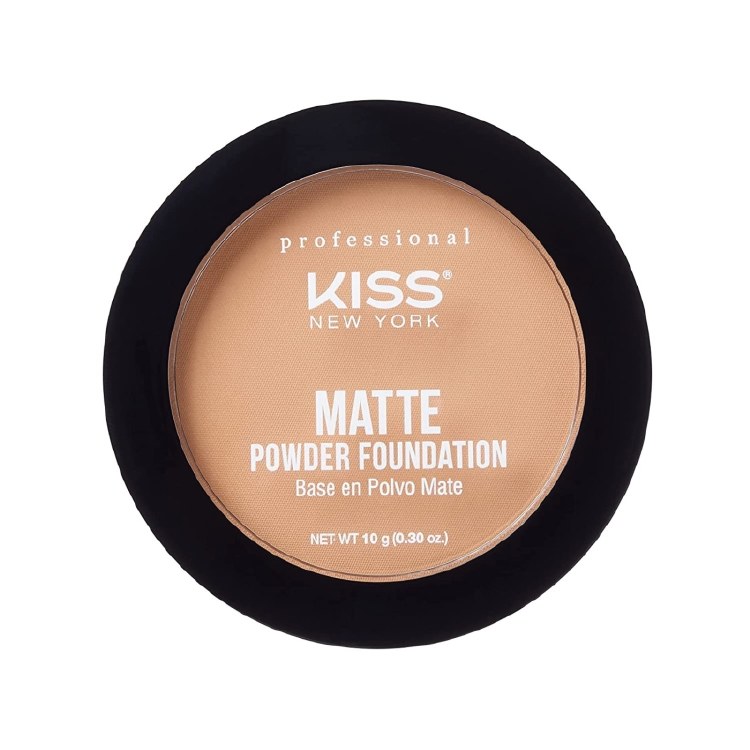
The Kiss New York Professional Matte Powder Foundation is an excellent alternative if liquid emulsifiers and heavy liquid preservatives consistently trigger your beauty product allergy symptoms. Because it is a dual-function dry powder formula, it requires fewer complex preservative chemical stabilizing systems than traditional liquid makeup, making it inherently gentler on reactive skin barriers.
-
Best For: Oily, combination, and highly reactive skin types
-
Formulation Benefit: Dry powder base minimizes the need for aggressive liquid shelf-stabilizers.
-
Finish: Smooth, buildable, and shine-free matte coverage
2. For Deep Hydration and Minimal Caking
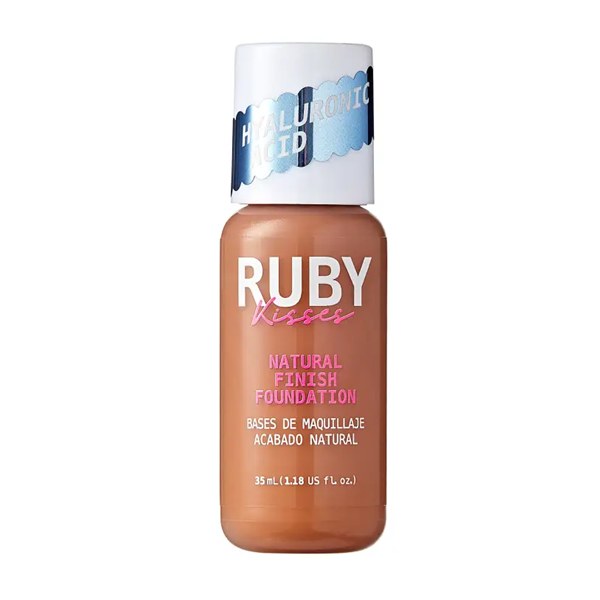
The Ruby Kisses Liquid Foundation is an ultra-lightweight daily option specifically infused with Hyaluronic Acid. When your skin is recovering from a previous cosmetic reaction, it experiences extreme dryness and peeling. This formula actively deposits moisture back into the skin cells, preventing fine lines and dry patches from flaking during wear.
-
Best For: Normal to dry skin types requiring moisture barrier support
-
Formulation Benefit: Loaded with Hyaluronic Acid to soothe skin dryness and protect the outer lipid layer.
-
Finish: Lightweight, breathable, and natural everyday coverage
3. For Complexion Protection and Sensitive Skin Care
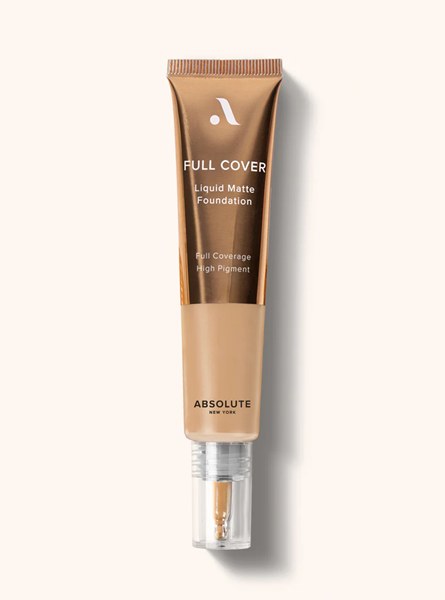
The Absolute Full Coverage Liquid Matte Foundation is specifically engineered as a skincare-makeup hybrid. Built on an intensely moisturizing base, it is uniquely structured to keep skin calm, flexible, and completely breathable throughout the day without cracking, creasing, or forcing an inflammatory response.
-
Best For: Sensitive, mature, or easily inflamed complexions
-
Formulation Benefit: Comfort-focused emollient base designed to cushion sensitive skin against external environmental irritants.
-
Finish: Soft-focus, weightless, and deeply hydrated look
Strategic Shopping Tip for Sensitive Skin
No matter which formulation you select from our catalog, always remember to perform your at-home patch test on your inner arm or jawline for a few days before full-face application. Keeping your skin barrier calm and hydrated ensures your makeup application remains flawless, radiant, and completely comfortable!
Frequently Asked Questions
1. Can I suddenly develop an allergic reaction to a makeup product I’ve used for years?
Yes, absolutely. This is one of the most common misconceptions about a beauty product allergy. Allergic contact dermatitis is an immune-mediated response that requires a sensitization phase. Your immune system can tolerate an ingredient safely for months or even years before suddenly identifying it as a foreign threat. Once your T-cells become sensitized to that specific chemical or botanical, you will experience an allergic reaction or flare-up every single time you use it moving forward.
2. What is the difference between a product labeled Fragrance-Free versus Unscented?
These two terms mean very different things chemically, and confusing them can trigger a severe reaction if you have sensitive skin:
-
Fragrance-Free - This means the product contains absolutely no fragrance chemicals, masking agents, or volatile essential oils. This is the safest choice if you have a known cosmetic allergy.
-
Unscented - This means the product may contain chemical masking agents specifically designed to neutralize the unpleasant, raw smells of other ingredients so that the final product has no noticeable scent. These hidden masking chemicals can easily trigger an allergic reaction.
3. If a makeup product burns or stings immediately upon application, does that mean I'm allergic to it?
Not necessarily. Immediate stinging, burning, or flushing usually points to irritant contact dermatitis or a compromised skin barrier rather than a true allergy. This happens when active ingredients (like vitamin C, AHAs, or retinoids) penetrate too deeply or quickly into skin that is dry or compromised. A true allergic reaction is typically a delayed response that peaks 24 to 48 hours later and is characterized by intense, unyielding itching, swelling, or blistering rather than a brief, localized sting.
4. How long does an allergic reaction from makeup take to clear up?
For a mild to moderate reaction, symptoms usually begin to subside within 3 to 7 days once you completely stop using the problematic product and soothe the area with plain petroleum jelly. However, if your immune response was severe, resulting in deep blistering, scaling, or extensive swelling, it can take anywhere from 2 to 4 weeks for the skin barrier's lipid layers to fully regenerate and for the inflammation to completely resolve.
5. Can I use a home patch test to check if a cosmetic will clog my pores or cause acne breakouts?
Yes, but you have to modify the protocol. A standard patch test beauty products evaluation on your inner arm only screens for immune allergies or severe surface irritation; it won't tell you if a product is comedogenic (pore-clogging). To test for acne triggers, apply a small, normal amount of the cosmetic to a localized area on your jawline or a breakout-prone zone of your face once or twice a day for 3 to 5 consecutive days. If no new closed comedones or inflammatory bumps appear in that specific zone, the formula is generally safe for full-face application.
Conclusion
Your skin is a complex, protective shield that works tirelessly to keep external stressors out. When an allergic reaction from a makeup flare-up occurs, it isn't an attack from your body; it is simply a protective mechanism operating on a false alarm.
By integrating a structured patch test beauty products routine into your life, mastering the art of reading ingredient labels, and knowing exactly how to soothe a sudden beauty product allergy crisis, you can take complete control over your skincare journey.
You deserve to explore the latest trends, discover radiant foundations, and pamper your skin with luxurious formulas without the fear of pain or irritation. Equip yourself with knowledge, protect your skin barrier, and enjoy a safe, luminous, and completely worry-free beauty routine!
Looking for high-quality, ultra-gentle cosmetics or soothing skincare formulated to respect your skin's natural moisture barrier? Explore our bestselling collections at Beauty Depot Online Skincare today!