
Face Makeup Brushes: How to Choose & Use Foundation, Powder, Contour, and Blush Tools
Discover how selecting the ideal brush density and shape elevates your daily makeup routine.
Achieving an airbrushed, flawless complexion comes down to a secret that professional makeup artists have known for decades: your makeup is only as good as the tools you use to apply it. While high-performance formulas are essential, relying on fingers or worn-out sponges often leads to patchy coverage, wasted product, and streakiness. Investing in high-quality face makeup brushes completely transforms your daily cosmetic routine, elevating your application from basic to professional-grade.
Going through the vast world of cosmetic tools can feel overwhelming. From feather-light fan brushes to densely packed kabukis, each design serves a distinct structural purpose. In this comprehensive guide, we unpack every detail you need to master your collection, explaining how bristle density, head shape, and fibre material interact with liquid, cream, and powder formulas.
The Anatomy and Science of Face Makeup Brushes
Understanding the physics of bristle structure helps explain why certain tools work better with specific formulas. A makeup brush comprises three main elements: the handle, the ferrule (the metal band holding the fibres), and the brush head.
The primary distinction among face makeup brushes lies in bristle density and fiber composition:
-
Bristle Density: The tighter the bristles are crimped into the ferrule, the stiffer the brush head becomes. High-density brushes exert more friction, pushing pigments directly into the skin for maximum coverage. Loosely packed bristles allow fibers to bend, lightly dusting product across the high points of the face for sheer, buildable opacity.
-
Synthetic vs. Natural Fibers: Traditional natural hair bristles feature microscopic cuticle scales that grab dry particles, making them classic choices for powders. Modern synthetic bristles (often engineered from high-grade taklon or PBT polyester) feature smooth, non-porous shafts. Research into cosmetic microbiology highlights that synthetic fibers are less porous than natural animal hair, making them significantly easier to sanitize and less prone to harboring bacteria over time. Because synthetic fibers lack a porous cuticle, they won't absorb or waste your liquid and cream products.
To build a flawless routine, explore the Beauty Depot Online store to find professional-grade tools tailored to your skin’s unique needs.
1. Foundation Brushes: Crafting an Unblemished Base
Your base sets the stage for every product that follows. The ideal foundation brush depends on your preferred coverage level and product consistency.
|
Brush Shape |
Best for Formula |
Coverage Level |
|
Flat Top Kabuki |
Thick Liquids, Creams, Mousse |
Full, Airbrushed |
|
Flat Paddle Brush |
Thin Liquids, Skincare Primers |
Sheer-Medium, Smooth |
|
Buffing Brush |
Fluid Liquids, Tinted Moisturizers |
Medium, Natural |
Flat Top Kabuki
Featuring densely packed, flat-cut bristles, the flat top kabuki excels at buffing liquid or cream formulas into the skin. Its wide surface area works in circular motions to press pigments straight into pores and fine lines, delivering full, opaque coverage without streaks.
Get Nicka K Kabuki Brush now.

Flat Paddle Brush
Resembling a classic painter's tool, the flat paddle features long, flexible synthetic fibers. Rather than buffing, it paints smooth layers across the complexion. It is ideal for laying down liquid foundations or applying hydrating primers evenly without soaking up precious product.
Get Gabriella Flat Paddle Brush now.

Buffing Brush
A rounded, gently domed foundation brush offers an adaptable middle ground. Its soft, curved edge allows you to buff fluid products into the skin using micro-swirls, producing a natural, luminous finish that seamlessly blends along the jawline and hairline.
Try Nicka K Angled Buffer Brush today.

2. Powder Brushes: Setting & Dusting Without Disturbance
Setting your base ensures all-day longevity, but applying setting powder with the wrong tool can displace your underlying liquid coverage. A specialized powder brush deposits dry pigments weightlessly across your complexion.
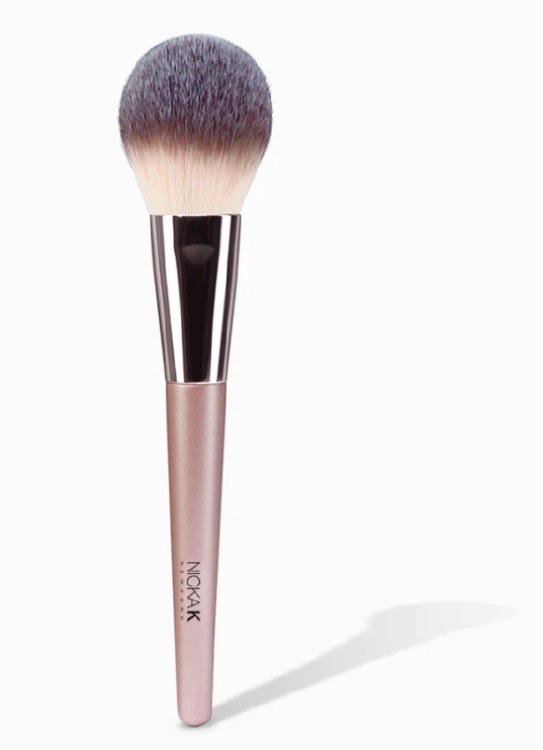
Fluffy Powder Brush
As the largest head in any cosmetic kit, the fluffy powder brush uses expansive, loosely packed bristles. Designed to sweep across broad areas, it deposits a fine veil of translucent setting powder or bronzer without disturbing your carefully applied liquid base.
Get Nicka K Powder Brush from Beauty Depot Online.
Tapered/Setting Brush
Featuring a flame-shaped, domed silhouette, the tapered setting brush delivers targeted precision. Its pointed tip reaches smaller contours, such as the under-eye area, nose bridge, and center of the forehead, locking concealer in place without caking.
Get this Nicka K Setting Brush now.

Traditional Kabuki
Equipped with a short, stubby handle and a thick, rounded head, the classic kabuki excels when maximum opacity is required. It allows you to press and buff mineral powder foundations into the skin, building flawless, full coverage.
Get your Ruby Kisses Kabuki Brush from us.

Whether you prefer a light dusting or a full mineral finish, consulting a complete beauty and makeup guide will help you refine your application techniques for every season.
3. Contour Brushes: Sculpting Shadows and Structure
Contouring relies on precise shadow placement beneath the cheekbones, along the jawline, and around the perimeter of the forehead. Using an ergonomically shaped contour brush ensures crisp definition that blends away effortlessly.
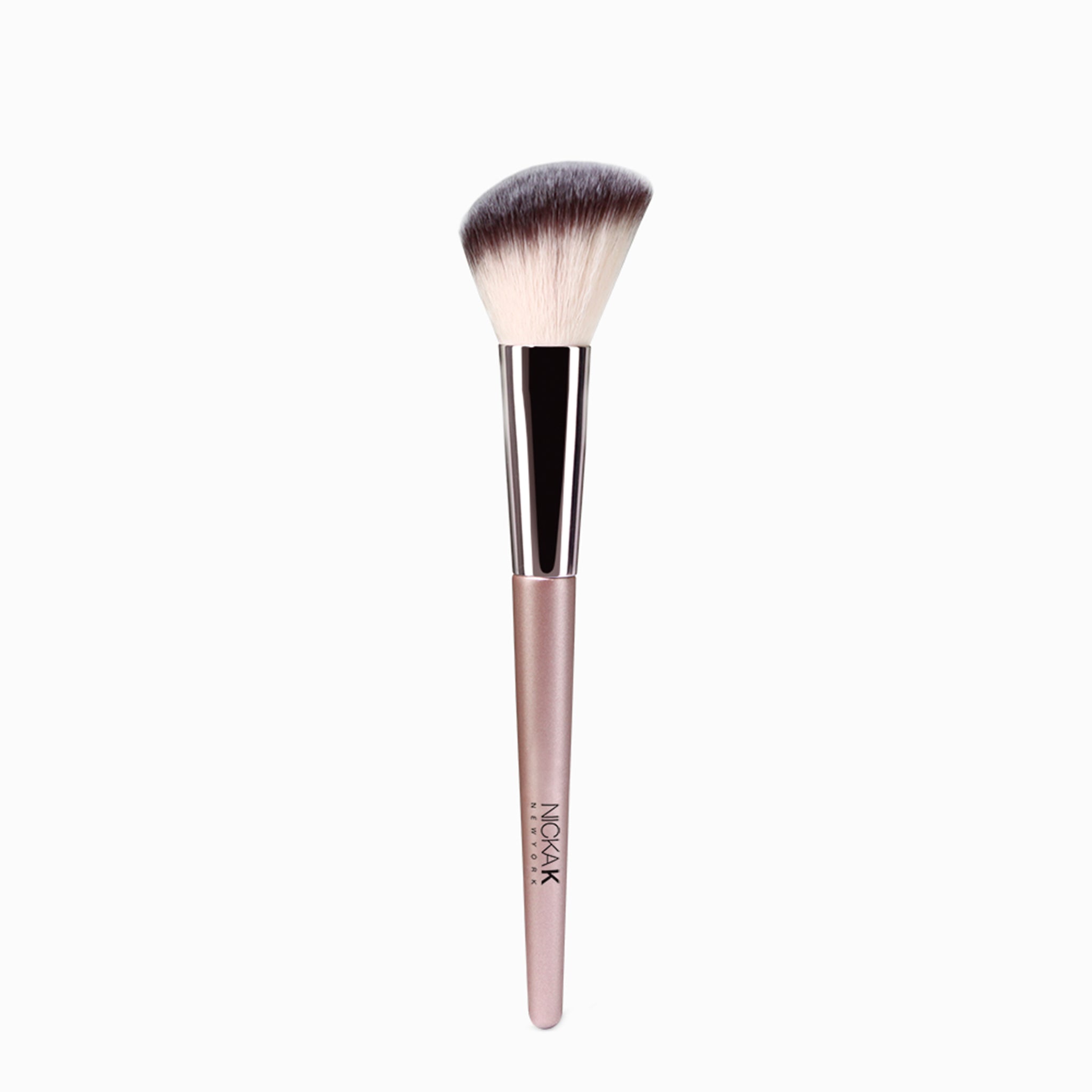
Angled Contour Brush
Cut at an asymmetric slant, an angled contour brush fits directly under the zygomatic arch (cheekbone). The dense, slanted edge places shadow product precisely where needed, while the longer fibers simultaneously diffuse pigment upward for a natural contour line.
Try this Nicka K Angled Contour Brush.
Flat Definer/Sculpting Brush
Featuring short, straight-edged bristles, the flat definer acts as a precision stamping tool. It places sharp, highly pigmented lines along the nose bridge or jawline, perfect for dramatic, stage-ready sculpting before soft blending.
Small Tapered Brush
For delicate areas requiring nuanced shading, a small tapered contour brush offers exceptional control. Its pointed tip lets you shade the sides of the nose, define the lip cupid's bow, or hollow out the eye socket with surgical accuracy.
Try Ruby Kisses Tapered Brush.

4. Blush Brushes: Bringing Natural Life to the Cheeks
Blush adds warmth, vitality, and dimension back into a finished base. The correct brush balances accurate pigment placement with immediate edge diffusion.
Angled Blush Brush
Similar to its contour counterpart but crafted with fluffier bristles, the angled blush brush deposits color onto the apples of the cheeks while sweeping pigment up along the cheekbones.
Tapered Blush Brush
With a rounded teardrop profile, the tapered blush brush concentrates color at its tip while the softer outer edges blend the product seamlessly into your bronzer or highlighter.
Stippling Brush (Duo-Fiber)
Combining two distinct lengths of hair, short, dense base fibers and longer, sparse white tips, the stippling brush works exceptionally well with cream and liquid blushes. The long tips pick up liquid color softly, stippling it onto the skin, while the base fibers buff out edges for a streak-free, dewy flush.
Matching Brush Attributes to Formulas & Coverage Goals
Selecting the correct makeup tools and brushes comes down to balancing formula density with your desired level of coverage:
|
Brush Trait |
Liquid & Cream Formulas |
Powder Formulas |
|
High Density (Packed Bristles) |
Full Coverage: Buffs thick liquids/creams into skin without soaking up product. |
Medium-Full Coverage: Presses loose powders or powder foundations firmly onto skin. |
|
Low Density (Fluffy Bristles) |
Sheer Coverage: Stipples or feathers creams for a translucent, skin-like tint. |
Sheer-Medium Coverage: Lightly dusts setting or finishing powders evenly over the face. |
Choosing by Product Formula
Different formulas interact uniquely with synthetic and natural fibers, requiring specific structures to blend seamlessly:
-
Liquid Formulas: Always select dense, synthetic face makeup brushes. Synthetic hairs lack porous cuticles, preventing expensive foundations and concealers from soaking inside the brush head.
-
Cream Formulas: Opt for angled or flat-topped dense brushes. Cream products require mild friction and warmth to melt smoothly into the skin, a finish best achieved with tightly packed bristles.
-
Powder Formulas: Choose flexible, fluffy bristles. Loosely packed fibers pick up dry particles cleanly and distribute them across skin without displacing underlying layers.
Choosing by Desired Coverage
The density of a brush head dictates how much product lands on your skin:
-
Sheer & Natural Coverage: Use duo-fiber stippling tools or fluffy brushes. Duo-fiber options dot product lightly onto the face before feathering it out, preventing over-application.
-
Full Coverage: Rely on flat-top kabukis or dense buffing tools. Packed bristles hold product at the tips, transferring maximum opacity directly to the skin for an unblemished canvas.
Care, Hygiene, and Maintenance
Proper brush care preserves your investment and safeguards skin health. According to dermatological guidelines published by the American Academy of Dermatology (AAD), dirty makeup brushes accumulate dead skin cells, oils, and bacteria, which can clog pores and cause breakouts. The AAD recommends washing cosmetic tools every 7 to 10 days.
Cleaning Protocol:
-
Swirl in Solvents: Rinse bristle tips under lukewarm water. Avoid hot water, which can melt the adhesive bonding the fibers inside the ferrule.
-
Cleanse Gently: Use a gentle shampoo or dedicated brush cleanser. Swirl the head on a silicone brush pad to work out stubborn pigments.
-
Rinse Downward: Always hold the brush so fibers point downward. Allowing water to enter the ferrule dissolves internal glue, leading to bristle shedding.
-
Reshape & Air Dry: Gently squeeze out excess moisture, reshape the bristle head, and lay the brush flat on a clean towel overhanging a counter edge to dry thoroughly.
Upgrade your daily beauty ritual by acquiring high-performance makeup tools and brushes that deliver flawless application every time. Equipping yourself with the right tools transforms your makeup application from an everyday routine into a professional art form.
FAQs
How often should I clean my face makeup brushes?
Dermatologists recommend washing liquid foundation and concealer brushes every 7 to 10 days to prevent bacteria buildup, product caking, and skin breakouts. Powder brushes can be deep-cleaned every two weeks, provided you spot-clean them lightly between uses.
Is a synthetic face brush better than natural hair for liquid foundation?
Yes, synthetic bristles are ideal for liquid and cream foundations. Synthetic fibers are non-porous, meaning they won't absorb or waste liquid product, and they provide a streak-free, smooth application while being easier to sanitize.
Can I use the same brush for both contour and blush?
While you can use an angled brush for both in a pinch, it is best to separate them. Using distinct brushes prevents color muddying, ensuring your brown contour shades don't dull the vibrant pink or peach tones of your blush.
What is the difference between a kabuki brush and a regular powder brush?
A kabuki brush features short, tightly packed bristles that deliver full, buildable coverage, making it ideal for buffing powder foundation. A traditional powder brush has longer, fluffier bristles designed to sweep a sheer dusting of setting powder lightly across the face.
Why is my foundation brush leaving streaks on my skin?
Streaking usually occurs when the brush bristles are saturated with dried product or when using a dragging paddle motion. Switch to a dense buffing or flat-top kabuki brush and use small, circular buffing motions to press the formula evenly into the skin.