
Makeup Tools And Brushes - Complete Guide To Beauty Tools
Achieving a flawless, professional-looking makeup application goes far beyond purchasing high-end cosmetics. In fact, professional makeup artists often agree that the tools you use are just as important as the formulas themselves. Whether you are aiming for a natural, dewy everyday look or a full-coverage evening glamour, understanding your toolkit is the secret to a seamless finish.
When you want to elevate your routine, investing in the right makeup tools transforms how products interact with your skin. If you are shopping for your next kit upgrade, exploring a comprehensive makeup and beauty guide can help you navigate the endless options available on the market.
In this comprehensive guide, we will break down everything you need to know about makeup brushes, essential beauty tools, different makeup brush types, and the best makeup applicators to achieve a professional-grade finish every single time.
1. Face Brushes & Sponges - The Foundation of Your Look
The face is your canvas, and having the right tools ensures that your base products apply smoothly without looking cakey or streaked.
Foundation Brushes & Applicators
-
Flat Foundation Brush - Designed with flat, synthetic bristles, this tool acts like a paintbrush, making it ideal for painting on liquid or cream formulas for higher, more controlled coverage.
-
Buffing / Kabuki Brush - Dense, short-handled, or rounded brushes used in circular motions. Research into dermal application shows that dense buffing brushes help press products into micro-crevices for a seamless, airbrushed finish.
-
Stippling Brush - A duo-fibre brush featuring a mix of short and long hairs. It is ideal for lightweight, buildable layering of liquids and creams without absorbing excess product.
-
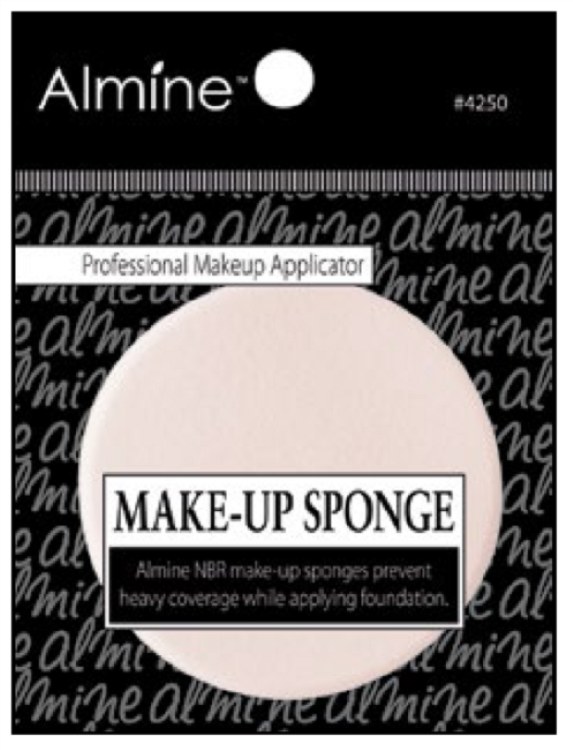
Beauty Sponges - Dampened foam sponges used with a bouncing or dabbing motion. Pressing a damp sponge into the skin melts liquid and cream products directly into the epidermis, absorbing excess oil and preventing streaks.
Concealer, Powder, and Contour Brushes
-
Concealer Brush - A small, flat, or tapered synthetic brush designed for precision work under the eyes and over blemishes.
-
Powder & Setting Brush - Large, fluffy brushes that dust loose or pressed translucent powder evenly across the face to lock makeup in place.
-
Blush & Bronzer Brush:
-
Blush brush - Dome-shaped or slightly angled to softly deposit color onto the apples of the cheeks.
-
Contour brush - Narrow or sharply angled to carve out the cheekbones and jawline.
-
-
Highlighter Brush - Fan-shaped or small tapered brushes that lightly sweep product onto the high points of the face for a radiant glow.
Looking to upgrade your base routine? Check out the Almine NBR Round Shape Makeup Sponge and the Ruby Kisses Kabuki Brush from our inventory to achieve an effortless, streak-free airbrushed finish.

2. Eye Brushes - Precision and Blending
Creating depth, dimension, and precise lines on the eyes requires specialized tools designed for smaller facial contours.
-
Flat Shader Brush - Firm, dense bristles used to pack intense pigment or shimmer directly onto the mobile eyelid. Get this Nicka K Flat Eyeliner Brush from Beauty Depot Online.

-
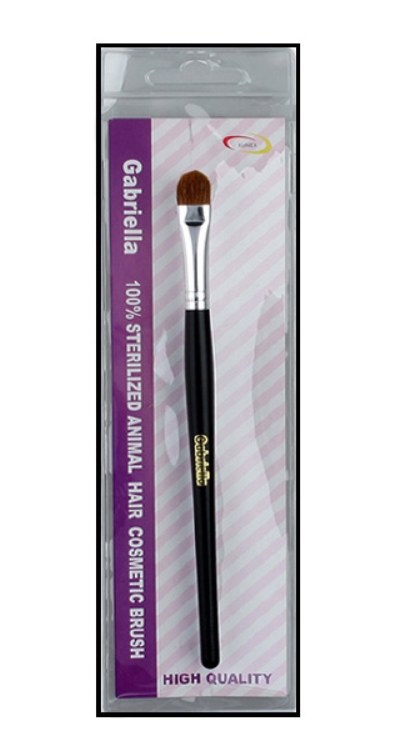
Blending / Crease Brush - Fluffy, tapered bristles used to diffuse harsh eyeshadow lines and blend transition colors smoothly into the eye crease.
-
Pencil Brush - A small, rounded tip used for smudging eyeliner, smoking out the lower lash line, or popping highlight into the inner corner of the eye. Check
-
Angled Eyeliner & Brow Brush - A thin, firm-edged brush that allows for sharp winged liner or filling in sparse eyebrows with powder or pomade.
-
Spoolie - A wand-like brush used to comb through brows before and after filling them in, softening harsh lines for a natural finish.
To find more curated product recommendations, you can buy beauty products online directly through our catalogue or list of beauty products, where we feature professional-grade eye sets tailored for every skill level.
3. Bristle Materials - Synthetic vs. Natural
Understanding what your tools are made of is critical for performance and hygiene.
-
Synthetic Bristles (Nylon, Rayon, Polyester) - These are non-porous and do not absorb liquid or cream products. Because they lack cuticles, they do not trap liquid formulas, making them ideal for foundation, concealer, cream blush, and liquid liners.
-
Natural Bristles (Animal Hair) - These are porous and feature microscopic cuticles that trap dry powders effectively. They are best suited for setting powders, powder blushes, and traditional pressed eyeshadows.
According to dermatological studies on cosmetic hygiene, synthetic bristles are also much easier to sanitize and less prone to harboring bacteria, making them the preferred choice for acne-prone skin types.
4. Essential Maintenance & Care
Even the highest-quality tools will underperform if they are not properly maintained. Regular cleaning not only preserves the softness of the bristles but also protects your skin from breakouts caused by bacterial buildup.
Cleaning Schedule
-
Weekly - Clean liquid and cream brushes thoroughly.
-
Every 2 to 4 weeks - Clean dry powder brushes.
-
Daily - Spot-clean using quick-dry brush sprays between heavy makeup applications.
Washing Technique
Use lukewarm water and a gentle shampoo or Castile soap. Massage the lather gently and rinse the bristles downward. Never let water soak into the wooden handle, as moisture can dissolve the glue holding the ferrule and bristles together, causing shedding. Reshape the bristles and lay them flat or dry upside down on a specialized drying rack. Periodically wipe down metal ferrules and handles with 70% isopropyl alcohol for complete sanitization.
Frequently Asked Questions (FAQs)
1. What is the difference between synthetic and natural makeup brushes?
Synthetic brushes are made from man-made fibers like nylon or polyester. Because they are non-porous, they don’t absorb liquids or creams, making them perfect for foundation, concealer, and liquid blush. Natural brushes, made from animal hair, feature microscopic cuticles that easily pick up and distribute dry powder products like setting powders and eyeshadows.
2. How often should I wash my makeup tools and brushes?
Brushes used for liquid and cream formulas (such as foundation and concealer), as well as beauty sponges, should be washed once a week to prevent bacterial buildup. Brushes used for powder products can be washed every 2 to 4 weeks. Daily spot-cleaning with a quick-dry brush spray helps keep them fresh between deep washes.
3. Is a beauty sponge better than a foundation brush?
Neither is strictly better—it depends on your desired finish! A damp beauty sponge absorbs excess product and presses formula into the skin for a dewy, sheer-to-medium finish. A dense foundation brush (like a kabuki or buffing brush) provides fuller coverage and a smooth, airbrushed look with less product sheer-down.
4. How do I prevent my makeup brushes from shedding bristles?
Brush shedding usually happens when water penetrates the metal ferrule during washing, dissolving the glue holding the bristles together. To prevent this, always point your brush bristles down when rinsing, avoid soaking the handles, and lay them flat or hang them upside down on a rack to dry.
5. What are the absolute essential brushes every beginner needs?
If you are building a minimalist kit, start with these five basics:
-
A dense Kabuki/Buffing Brush (for foundation)
-
A small synthetic Concealer Brush (for spot-concealing)
-
A large, fluffy Powder Brush (for setting powder and bronzer)
-
A fluffy Eyeshadow Blending Brush (for seamless eye looks)
-
An Angled Brow/Liner Brush (for eyebrows and winged eyeliner)
Conclusion
Investing time into learning how to choose, use, and maintain your collection pays off with a smoother, more professional finish every time you do your makeup. By selecting the right makeup tools and pairing them with high-quality cosmetics, you can elevate your entire beauty regimen. For more tips, tricks, and expert advice, be sure to explore our library to find everything you need for your daily routine.