
Foundation Types - How To Choose The Perfect Formula For Your Skin
Discover the differences between liquid, powder, cream, and stick formulas for your skin.
Finding the perfect foundation can feel like searching for a needle in a haystack. With hundreds of options lining the beauty aisles, it’s easy to get overwhelmed by the sheer volume of choices. The secret to cracking the code doesn't just lie in finding the right shade match; it starts with understanding the different foundation types and how they interact with your unique skin type, lifestyle, and beauty goals.
Choosing the right formula transforms your makeup routine from a daily struggle into a seamless, confidence-boosting ritual. The best foundation depends entirely on your skin type and preferred coverage. While one person might swear by a luminous, barely-there finish, another might need a heavy-duty matte formula to combat midday shine.
Let’s see how each foundation type performs and which one is the absolute best match for your complexion.
What Are The Common Foundation Types
Before diving deep into each specific formula, let's look at a quick breakdown of how these four major foundation types stack up against one another:
|
Foundation Type |
Coverage Range |
Best Finish |
Ideal Skin Type |
Key Benefit |
|
Liquid Foundation |
Sheer to Full |
Matte, Dewey, Satin |
All Skin Types |
Highly versatile & customizable |
|
Powder Foundation |
Light to Medium |
Matte |
Oily & Acne-Prone |
Excellent oil control & weightless feel |
|
Cream Foundation |
Medium to Full |
Radiant, Satin |
Dry & Mature |
Deeply hydrating & smooths fine lines |
|
Stick Foundation |
Medium to Full |
Natural, Satin |
Normal, Dry, Combo |
Highly portable & great for touch-ups |
1. Liquid Foundation
When people think of makeup, liquid foundation is usually the first thing that comes to mind. It is arguably the most popular and versatile category on the market today.
Characteristics & Finishes
Liquid foundation is a fluid formula that can range from incredibly watery, serum-like consistencies to thick, pigment-rich fluids. Because of its fluid base, it is the most customizable option available. It comes in three primary finishes:
-
Matte - Formulated without oils to control shine and give a flat, velvety finish.
-
Dewy - Packed with humectants and light-reflecting particles to give a glowing, wet-look finish.
-
Satin - The middle ground, it mimics the natural, subtle sheen of healthy, bare skin.
Featured Liquid Foundations
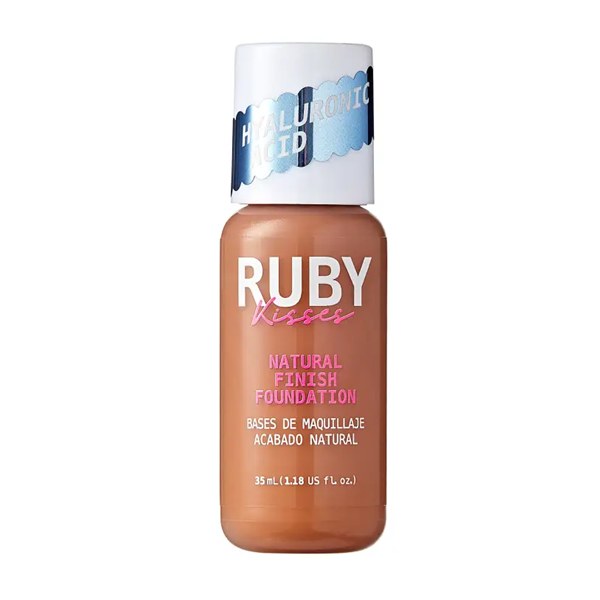
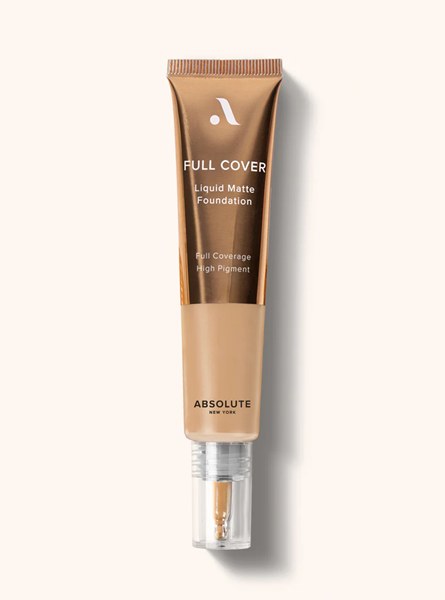
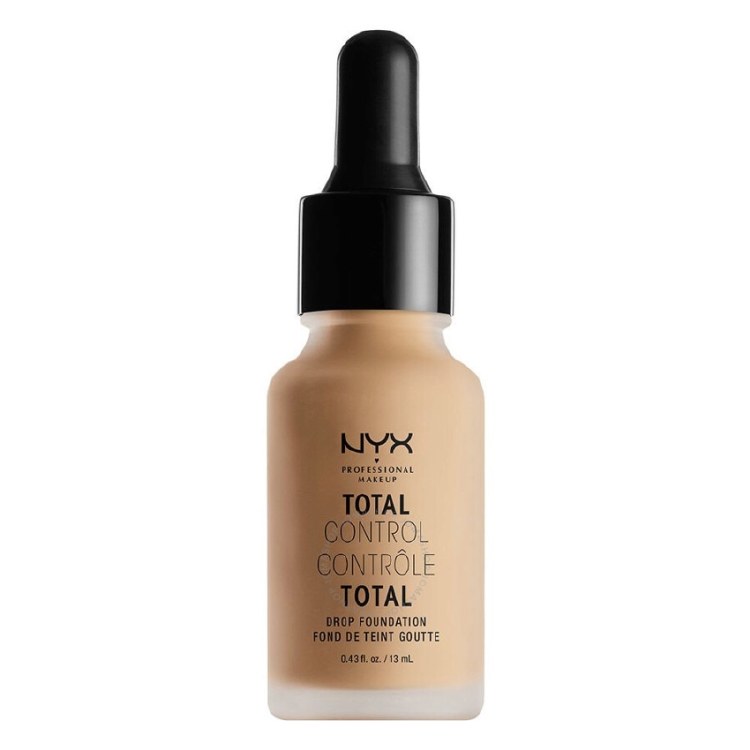
If you are looking for an everyday hydrating liquid foundation, the Ruby Kisses Liquid Foundation is an ultra-lightweight option specifically infused with hyaluronic acid to keep your skin plump. If you want maximum oil control and high-performance wear, opt for the Absolute Full Coverage Liquid Matte Foundation or the NYX Professional Makeup Total Control Drop Foundation for 24-hour shine control. This liquid foundation provides a weightless, medium buildable coverage infused with Hyaluronic Acid to actively hydrate dry patches.
Best For These Skin Types
Because it is so highly adaptable, liquid foundation generally suits all skin types, provided you select the right formulation.
-
Normal, Dry, and Mature Skin - Hydrating formulas infused with hyaluronic acid or nourishing oils prevent caking and keep the skin looking plump.
-
Oily and Combination Skin - Oil-free, water-based, or silicone-based versions control shine and resist breaking down throughout the day.
Why It’s Unique
What sets modern liquid foundation apart is its compatibility with other skincare products. You can easily mix a pump of liquid makeup with your favourite facial oil for an ultra-glowy tint, or blend it with a moisturizer to create a custom BB cream. Furthermore, it layers beautifully with liquid blushes and bronzers, melting into the skin rather than sitting on top of it.
How to Apply for Best Results
For a sheer, everyday look, using a damp beauty sponge is your best bet; it absorbs excess product and presses the fluid evenly into the skin. If you want a flawless, high-coverage look for an event, opt for a dense, flat-top kabuki brush. Buff the product in circular motions, starting from the center of your face and moving outward.
2. Powder Foundation
If you despise the feeling of heavy makeup or find yourself constantly blotting away excess oil by lunchtime, powder foundation might just be your holy grail.
Characteristics & Finishes
Consisting of finely milled minerals, talc, or silica, powder foundation comes in two primary forms: pressed compacts or loose powders. It delivers a lightweight, breathable feel and a natural, matte finish. Unlike liquid options, powders rely on dry pigments that bind with the skin's natural oils to create a smooth layer of coverage.
Featured Powder Foundations
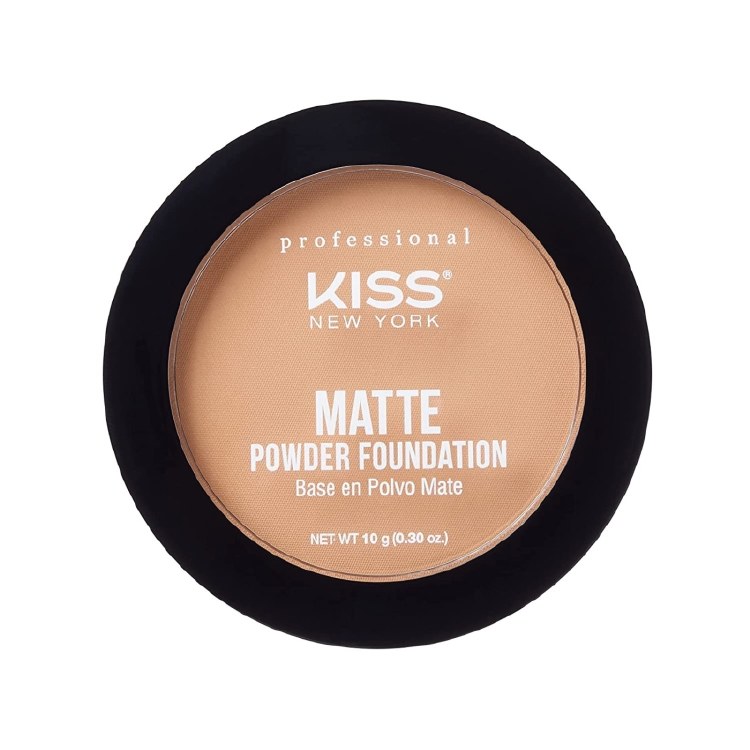
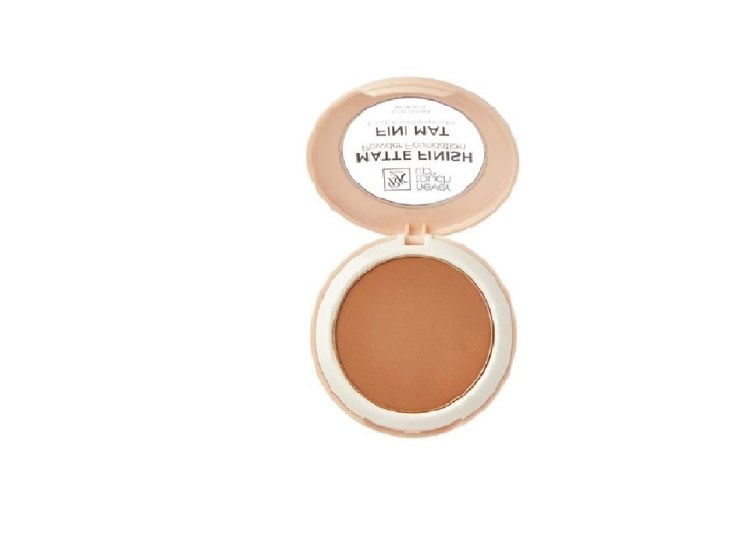
For an effortless, velvety complexion that won't budge, the dual-action formula of the Kiss New York Professional Matte Powder Foundation actively absorbs excess sebum while minimizing the appearance of large pores. Besides, you can also get Ruby Kisses Never Touch Up Matte Finish Powder Foundation , a lightweight powder foundation featuring a dual-function formula that controls excess oil while creating a flawless, matte veil.
Best For These Skin Types
-
Oily Skin - This is where powder foundation truly shines, or rather, stops the shine. The dry particles actively absorb excess sebum throughout the day.
-
Acne-Prone Skin - Many loose mineral powders contain fewer synthetic binders, fragrances, and preservatives, making them less likely to clog pores or irritate active breakouts.
Why It’s Unique
A common misconception is that powder looks cakey. However, high-quality, modern formulas use micronized minerals that mimic the texture of skin. Powder foundation is exceptionally well-suited for hot, humid climates where liquid makeup would simply melt off. It also serves double duty - you can wear it alone for lightweight coverage, or use it as a setting powder over a liquid base to lock your makeup into place and increase its longevity.
How to Apply for Best Results
To avoid a chalky appearance, application technique is everything. Use a large, fluffy powder brush for a light dusting of coverage. If you need to build up to a medium coverage to hide redness or imperfections, use a dense powder puff or a kabuki brush. Press and roll the powder into the skin rather than sweeping it, which can micro-exfoliate dry patches and cause a flaky texture.
3. Cream Foundation
For those who crave a flawless, red-carpet complexion with maximum coverage, cream foundation offers an incredibly luxurious experience.
Characteristics & Finishes
Cream foundation is a thick, emollient, oil- or wax-based formula that typically comes in a jar, compact, or palette. It contains a much higher concentration of pigment than liquid formulas, meaning a very small amount goes a very long way. It provides a rich, hydrating, and full-coverage look with a dewy, radiant, or satin finish.
Best For These Skin Types
-
Dry and Dehydrated Skin - The oil-rich base acts as an extra occlusive layer, locking in moisture and preventing the makeup from clinging to dry patches.
-
Mature Skin - It hydrates the skin and smooths over fine lines rather than settling into them, giving aging skin a youthful, plump, and radiant glow.
Why It’s Unique
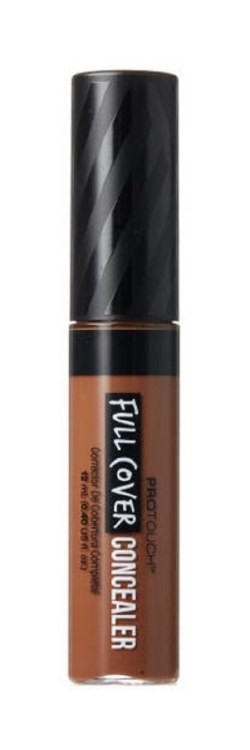
What makes cream foundation a staple in professional makeup artist kits is its ability to look like real skin under high-definition cameras, despite its heavy coverage. Because it mimics the natural lipid barrier of the skin, it warms up with your body temperature, allowing it to move with your facial expressions without cracking or separating. To correct extreme discoloration or sculpt shadows, a high-coverage option like the Kiss Full Cover Concealer doubles beautifully as a spot-treatment or full-glam cream base.
How to Apply for Best Results
Because creams are dense, using your fingers is an excellent way to apply them. The warmth of your fingertips melts the waxes, making the product incredibly malleable. Alternatively, scoop a small amount onto the back of your hand, warm it up, and apply it using a firm, synthetic foundation brush. Always set a cream formula with a light translucent powder in your T-zone to ensure it doesn't migrate throughout the day.
4. Stick Foundation
In our fast-paced world, convenience is key. Stick foundation bridges the gap between the rich coverage of a cream and the effortless application of a solid product.
Characteristics & Finishes
Stick foundation is a solid, cream-based formula poured into a convenient, travel-friendly twist-up tube. It is typically wax-based and highly concentrated, delivering medium to full coverage with a few quick swipes. The finish is usually a highly natural, skin-like satin.
Featured Stick Foundations
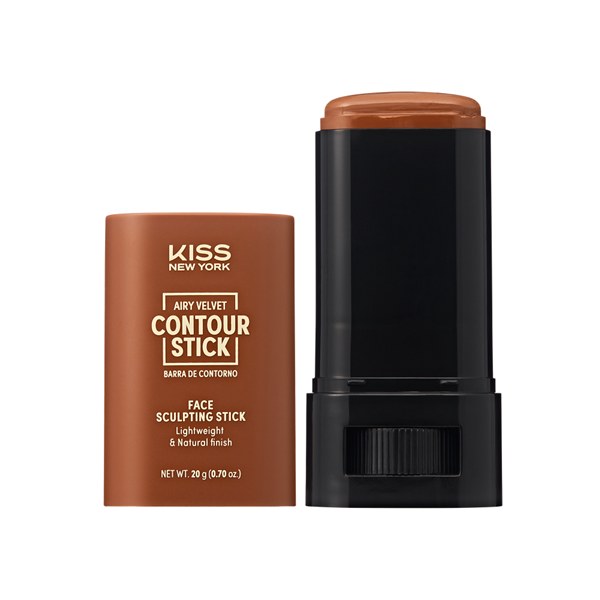
When you need to cover imperfections on the go, the Nicka K Mineral Stick Foundation glides over the skin smoothly while offering built-in UV protection. To add dimensional depth back to your face structure, layer it with the Kiss Airy Velvet Contour Stick right along the cheekbones. A portable stick foundation with a creamy mineral-infused formula that provides smooth, natural UV-protective coverage.

Best For These Skin Types
-
Normal to Combination Skin - It balances beautifully on areas that need coverage without adding excessive shine.
-
On-the-Go Lifestyles - If you travel frequently, go to the gym, or need to touch up your makeup in the car, the solid nature of a stick foundation makes it completely mess-free.
Why It’s Unique
The true superpower of a stick foundation is its multi-functional design. Because of its dense pigmentation and solid form, it doubles perfectly as a heavy concealer for targeted spot-concealing on blemishes or dark circles. Furthermore, it is the ultimate tool for cream contouring and highlighting. By purchasing a stick that is two shades darker than your skin tone and another that is two shades lighter, you can map out and sculpt your facial structure flawlessly.
How to Apply for Best Results
Swipe the stick directly onto your face, focusing on the forehead, cheeks, and chin. From there, use a dense, synthetic buffing brush or your fingers to blend the product outward. The friction of the brush warms up the wax-based formula, allowing it to blend seamlessly into your skin.
Which One is Best for You? Matching Your Lifestyle and Skin Concerns
Choosing from the various foundation types isn't just about what looks pretty in the packaging; it’s about aligning the formula with your lifestyle, environment, and specific skin concerns.
To find the right formula for your specific skin concerns, consult detailed guides to determine your perfect finish and shade, such as the complete foundation guide by Beauty Depot Online. If you are ready to shop, browse highly-rated complexion options with us to discover your next holy grail.
To help narrow down your choice, let’s look at a few common scenarios:
For Oily Skin and High Shine
Look for oil-free liquid foundation options or matte powder foundation formulas that actively absorb excess sebum. Look for ingredients like kaolin clay, silica, or salicylic acid, which help regulate oil production throughout the day.
For Dry, Dehydrated, or Mature Skin
Choose rich cream foundation options or hydrating liquids infused with skincare benefits. Avoid heavy powders, which can suck moisture out of the skin and accentuate texture. Look for labels that mention luminous, hydrating, or dewy.
For Beginners and Travel Enthusiasts
If you are new to makeup, stick foundation provides a mess-free, portable, and easy-to-blend option that takes the guesswork out of application. You don't have to worry about liquid spills in your bag, making it a TSA-friendly dream.
For Everyday Natural Wear
If you want your skin but better, a sheer-to-medium liquid foundation or a lightweight mineral powder is ideal. These formulas allow your natural skin texture, freckles, and radiance to shine through while gently evening out minor redness.
Many beauty enthusiasts keep multiple formulas on hand, swapping them depending on the season, climate, or desired event look. You might love a lightweight powder in the humid summer months, but find your skin craves a rich cream or a hydrating liquid during the dry winter season.
The Role of Ingredients in Foundations
To truly maximize your results, it helps to understand what is inside your makeup. The ingredients heavily dictate how these different foundation types perform over an eight-to twelve-hour wear period.
According to dermatological guidelines on cosmetics, skincare-infused makeup is transforming how we view complexion products. For a deeper look at cosmetic chemistry, you can explore the Cosmetic Ingredient Review to see how safe, non-comedogenic elements protect your skin barrier. Additionally, keeping up with broader consumer trends on platforms like Vogue Beauty can show you how leading makeup artists utilize these various textures on modern runways.
When shopping, keep an eye out for these key ingredient categories:
-
Water-Based - Listed as water/aqua as the very first ingredient. These provide a lightweight, breathable feel and are least likely to irritate sensitive or acne-prone skin. They pair best with water-based primers.
-
Silicone-Based - Look for ingredients ending in -cone or -siloxane (like dimethicone) near the top of the list. These excel at smoothing out large pores, filling in fine lines, and providing excellent water- and sweat-resistance.
-
Oil/Emollient-Based - Common in creams and sticks, featuring ingredients like jojoba oil, argan oil, or caprylic triglycerides. These are essential for nourishing compromised skin barriers and preventing moisture loss.
Your Application Tools Matter
You could buy the most expensive product in the world, but if you apply it with the wrong tool, it won't perform to its highest potential. Matching your tool to your chosen foundation type makes all the difference:
-
The Beauty Sponge - Best paired with liquid foundation and cream formulas. When damp, it deposits just the right amount of moisture, bouncing across the skin to eliminate harsh lines or streaks.
-
The Flat Kabuki Brush - Ideal for maximizing the coverage of a liquid foundation or a stick foundation. The densely packed synthetic bristles buff the pigments flat against the skin for an airbrushed effect.
-
The Powder Brush - A large, dome-shaped brush with fluffy, natural or synthetic bristles is mandatory for distributing powder foundation evenly without creating heavy, cakey patches.
Frequently Asked Questions
1. Can I use a liquid foundation and a powder foundation together?
Absolutely! In fact, layering the two is a classic makeup artist technique for maximizing coverage and longevity. The trick is to apply your liquid foundation first to even out your overall skin tone. Once it is blended, lightly press a powder foundation over areas prone to high shine (like your T-zone) or areas where you need extra coverage, such as over blemishes or redness. Just be sure to use a light hand with the powder to avoid a heavy, cakey finish.
2. How do I know if my foundation is water-based or silicone-based?
The easiest way to check is by looking at the first few ingredients on the back of the bottle. A water-based liquid foundation will list water (Aqua) first and will be free of heavy silicones. A silicone-based foundation will also list water first, but it will immediately be followed by ingredients ending in -cone or -siloxane (such as Dimethicone or Cyclopentasiloxane). For a smooth, long-lasting finish that doesn't pill, always match your primer to your foundation type (e.g., use a silicone primer with a silicone foundation).
3. Why does my cream foundation look patchy or separate by midday?
If your cream foundation is separating, it is usually due to a mismatch with your skin type or your underlying skincare. Because creams are rich in oils and waxes, they can break down quickly if applied to oily skin without a setting powder. If you have dry skin and it still looks patchy, it means the cream is clinging to dead skin cells. To fix this, gently exfoliate before application and ensure your daily moisturizer has fully absorbed into the skin before applying your makeup.
4. Are stick foundations safe for acne-prone skin?
Yes, but you have to be mindful of formula and hygiene. Because a stick foundation is held together by solid waxes and emollient oils, some formulas can be too heavy for easily clogged pores. Look for non-comedogenic sticks specifically formulated for oil control. More importantly, avoid swiping the stick directly onto active breakouts, as this transfers bacteria back into the tube. Instead, swipe the product onto a clean brush or sponge first, then apply it to your face.
5. How often should I switch my foundation type based on the season?
As a rule of thumb, it is best to re-evaluate your base twice a year, once for spring/summer and once for autumn/winter. In the hot, humid summer months, your skin naturally produces more oil, making a lightweight powder foundation or oil-free liquid your best option. In the dead of winter, cold air and indoor heating dry out the skin, meaning your complexion will likely crave the rich hydration of a cream foundation or a dewy liquid formula.
Final Thoughts
There is no one-size-fits-all answer when it comes to makeup. The journey to finding your perfect base is a personal one, relying on a solid understanding of how liquid foundation, powder foundation, cream foundation, and stick foundation differ from one another.
By assessing your skin type, identifying your lifestyle needs, and utilizing the proper application tools, you can easily achieve a radiant, comfortable complexion that lasts all day. Ready to upgrade your beauty routine? Experiment with different textures with Beauty Depot Online, pay attention to how your skin responds to changing seasons, and embrace the formula that makes you feel like the most confident version of yourself!