
Foundation And Concealer Guide - Find Your Perfect Match
Learn how to choose foundation and concealer that blend into your real skin.
Have you ever caught a glimpse of yourself in a rearview mirror or beneath harsh office fluorescent lights, only to realize your face looks like a totally different color than your neck? It is a rite of passage every beauty lover has faced. The culprit isn’t your blending technique; it is an incorrect shade match.
Finding your flawless complexion pairing online or in-store can feel like an intimidating guessing game. With hundreds of bottles lined up on shelves and endless digital swatches on your screen, how do you filter out the noise?
This comprehensive foundation guide and concealer guide eliminate the guesswork. By understanding the science of skin depth, decoding your undertone, and masterfully navigating the formulas, you will learn how to choose foundation and concealer that look exactly like your real skin, only better.
Depth vs. Undertone In Foundations And Concealers
Before you add a single bottle to your cart at Beauty Depot Online, you need to understand that your complexion is made of two distinct elements - skin depth and undertone.
-
Skin Depth - This is the surface color of your skin, ranging from fair, light, medium, and tan, to deep. Your depth is highly visible and changes throughout the year depending on sun exposure and seasonal shifts.
-
Undertone - This is the permanent, subtle hue beneath your skin’s surface. Unlike depth, your undertone never changes, whether you have a winter paleness or a summer tan.
If you buy the right depth but the wrong undertone, your base will look instantly off, either too chalky, too orange, or strangely grey.
Step 1 - What Is Your Undertone?
Your unique undertone dictates the color family your complexion belongs to. To create a seamless canvas, your base makeup must mirror this subterranean tint. Let's look at the three primary categories and the real-world tests to identify yours.
The Three Undertone Families
-
Cool (C) - Your skin carries subtle hints of pink, rosy red, or soft blue.
-
Warm (W) - Your skin leans golden, yellow, rich olive, or peachy.
-
Neutral (N) - Your skin is a perfect, harmonious balance of both warm and cool tones, without a dominant pink or yellow cast.
Three Foolproof Undertone Tests
Don't guess your undertone. Use these simple, field-tested indicators to find out where you stand:
|
The Test |
Cool Undertone |
Warm Undertone |
Neutral Undertone |
|
The Vein Test |
Look at the inside of your wrists. Your veins appear distinctly blue or purple. |
Look at your wrists in clear light. Your veins look noticeably green or olive. |
Your veins look blue-green or match your skin color so well you can't quite tell. |
|
The Jewelry Test |
Bright, reflective silver jewelry makes your skin look radiant and alive. |
Radiant gold jewelry pops beautifully and complements your natural warmth. |
You are lucky; both gold and silver look equally flattering on you. |
|
The Sun Exposure Test |
Your skin burns easily in the sun and struggles to tan. |
You rarely burn and tan easily, deepening into a golden hue. |
You might burn slightly at first, but you gradually tan over time. |
Step 2 - Test & Match (Mastering the Foundation)
Once you narrow down your depth and undertone category, it is time to practice proper foundation shade matching. The most common mistake people make is testing a product on an arm, hand, or wrist.
Pro Tip - Your hand and wrist are exposed to completely different levels of sunlight and friction than your face. Testing there guarantees an incorrect match. Always swatch on your face.
The Golden Rules of Swatching
To get the best foundation match possible, follow this step-by-step swatching protocol:
-
Select Three Contenders - Choose three shades that look close to your skin tone within your undertone family. For example, if you are a medium-neutral, pick a shade that looks exact, one shade lighter, and one shade darker.
-
Strip-Swatch from Jawline to Neck - Apply parallel stripes of all three shades along your jawline, extending slightly down onto your upper neck. This ensures the color transitions seamlessly from your face to your body, eliminating the dreaded floating mask look.
-
Wait for the Dry-Down (Oxidation) - Do not judge a formula while it is wet! Many high-coverage bases undergo a chemical process called oxidation. As the liquid interacts with oxygen and your skin's natural oils, it can dry down half a shade to a full shade darker. Let the swatches sit for 5 to 10 minutes to see their true final color.
-
Step Into Natural Light - Retail stores and bathrooms use artificial yellow or cool fluorescent bulbs that distort color. Take a small handheld mirror and step outside into natural daylight. The absolute best foundation shade for you is the one that completely disappears into your skin when lightly buffed.
The Seasonal Shift - Two Shades Are Better Than One
Because your skin depth fluctuates between winter and summer, relying on a single bottle year-round often backfires. A major secret to flawless foundation shade matching is owning two shades - your peak winter shade and your deep summer shade. Throughout the changing seasons, you can mix custom ratios of these two bottles to achieve a seamless blend every single day of the year.
Step 3 - Choose Your Concealer (Targeted Complexion Perfection)
A comprehensive concealer guide requires a shift in how you view color theory. You cannot use a single concealer to solve every facial concern. To achieve a professional, balanced complexion, you ideally need two distinct types of concealers based on what you are trying to accomplish.
Purpose 1 - Spot-Concealing Blemishes, Redness, and Dark Spots
When hiding a breakout, acne scar, or localized redness, your goal is to make the imperfection flat and invisible.
-
The Shade Rule - Choose an exact match to your foundation and skin depth.
-
The Pitfall to Avoid - Never use a lighter shade on a raised blemish. Lighter shades act as highlighters, drawing light directly to the area and making a three-dimensional bump look even more prominent.
-
The Formula - Look for a thick, high-coverage, matte cream or liquid formula that locks down and offers maximum longevity.
Purpose 2 - Under-Eye Brightening and Color Correcting
The skin under your eyes is incredibly thin and prone to pooling blood, which causes purple, blue, or shadowy dark circles.
-
The Shade Rule - Select a formula that is 1 to 2 shades lighter than your foundation.
-
The Undertone Rule - Rely on color theory. If you have deep purple under-eye shadows, pick a concealer with a rich peach, orange, or golden-warm base to neutralize the cool darkness. If you are masking red discoloration, look for a cool or neutral-toned option.
-
The Formula - The under-eye area moves constantly when you smile and blink. Choose a lightweight, ultra-hydrating, radiant liquid concealer to prevent caking and creasing into fine lines.
Purpose 3 - Cream Contouring and Sculpting
Concealers make incredible, easy-to-blend contour products. To sculpt your cheekbones and jawline, select a liquid or cream concealer 2 to 3 shades darker than your natural skin tone. Ensure it features a cool or neutral undertone to mimic the natural look of a true shadow on the face.
The Pro Complexion Hacks You Need to Know
To give you a true edge in your routine, let’s dig into high-level techniques used by professional makeup artists. Taking your routine beyond the basics of our beauty and makeup guide, these steps address advanced texture matching and formula compatibility.
1. Match Your Formula to Your Skin Type
Finding the right color pigment is only half the battle; the formula must cooperate with your skin's texture. If your foundation sits poorly on your skin, it will alter how the color reflects light.
-
Oily Skin - Opt for oil-free, liquid-to-powder, or long-wear matte finishes. Look for ingredients like silica or clay that control excess sebum.
-
Dry Skin - Seek out luminous, dewy, or satin finishes packed with hydrating ingredients like hyaluronic acid, squalane, or glycerin.
-
Combination Skin - Use a satin-finish base, then strategically spot-powder your oily T-zone (forehead, nose, and chin).
2. The Primer-Base Chemistry Rule (Water vs. Silicone)
Have you ever noticed your foundation pilling, balling up, or separating into patches on your nose and cheeks? This happens due to a chemical mismatch between your face primer and your foundation.
Like dissolves like. Check the ingredient deck of both products:
-
If your primer is water-based (listing aqua/water as the very first ingredient without heavy silicones nearby), pair it with a lightweight, hydration-focused water-based foundation.
-
If your primer relies on heavy silicones for a pore-blurring effect (look for ingredients ending in -cone or -siloxane, like dimethicone), you must pair it with a silicone-based foundation to maintain a smooth, locked-in bond.
Simplify It with Smart Digital Tools
If you are shopping online at Beauty Depot Online and can't swatch products in person, do not worry. You can bypass the traditional trial-and-error method by taking advantage of advanced digital tools. These interactive, AI-powered systems analyze skin depth and undertone variations using your device's camera or historical shade data.
-
Maybelline Perfect Shade Foundation Finder - An advanced AI tool that uses your camera to analyze your exact depth and undertone, serving up instant product recommendations.
-
L'Oréal Paris Shade Quiz - A guided diagnostic quiz that assesses your skin type, concerns, and undertones to pinpoint your ideal match.
-
Charlotte Tilbury Foundation Shade Finder - An expert digital finder designed to help you discover your flawless match in luxury finish formulas.
-
Findation - An incredible global database. If you already know your exact shade match in one specific brand, you can input it into Findation to receive an instant conversion across thousands of other makeup lines.
Top Complexion Picks Available at Beauty Depot Online
To help you put these matching rules into action, we’ve rounded up the best foundations and concealers available right now in the Beauty Depot Online collection. Whether you’re looking for high-coverage matte finishes or lightweight, hydrating everyday bases, these options have you covered.
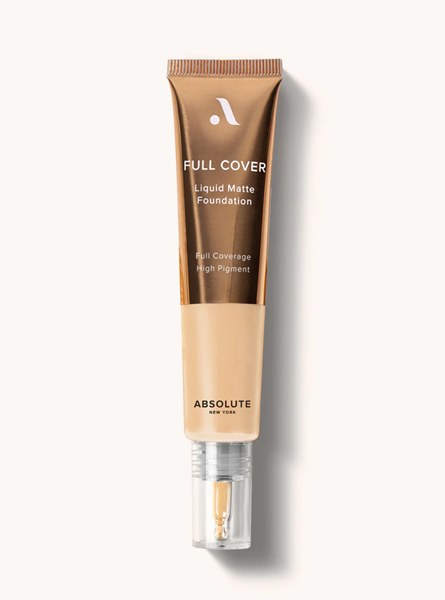
1. The Long-Wear Matte Champion - Absolute Full Coverage Liquid Matte Foundation
-
Best For - Oily, combination, and normal skin types seeking a flawless, shine-free base.
-
Why It Fits the Guide - Formulated with a mess-free dropper tip that makes custom-mixing your winter and summer shades incredibly easy, this oil-free formula delivers an airy but complete coverage matte finish that lasts up to 12 hours. It's an exceptional choice if you are trying to match lighter tones with balanced neutral undertones.
2. The Weightless All-Day Finish - NYX Professional Makeup Can't Stop Won't Stop Foundation
-
Best For - Anyone looking for 24-hour high-performance wear that doesn't feel heavy.
-
Why It Fits the Guide - Finding an exact match for rich, golden warm, or medium olive undertones can be notoriously difficult. The Can't Stop Won't Stop collection is highly praised in the beauty community for its accurate shade depth and true-to-tone dry-down period that minimizes dramatic oxidization.

3. The Natural, Budget-Friendly Liquid - Nicka K Perfection Liquid Foundation
-
Best For - Everyday wear, quick blending, and smooth skin-evening coverage.
-
Why It Fits the Guide - If you are building a custom palette or need an affordable second shade to transition your base through seasonal shifts, Nicka K offers a robust depth range (from Warm Sand and Honey to Espresso and Dark Cocoa). It blends seamlessly along the jawline without creating a cakey line.

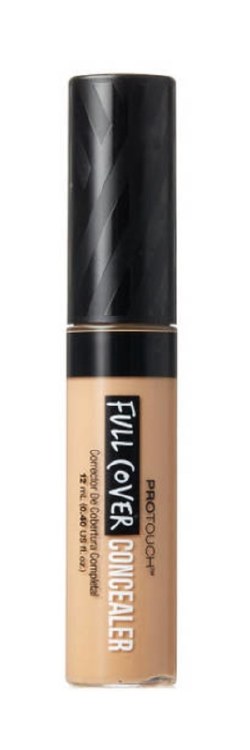
4. The Soothing Blemish Cover - Kiss Full Cover Concealer
-
Best For - Spot-concealing active breakouts, hyperpigmentation, and redness.
-
Why It Fits the Guide - As mentioned in our concealer guide, a spot-correcting formula needs to be rich, pigment-packed, and an exact tone match. The Kiss Full Cover formula is uniquely infused with soothing green tea, which calms skin inflammation while providing a soft-focus, heavy-duty camouflage that won't flake off over blemishes.
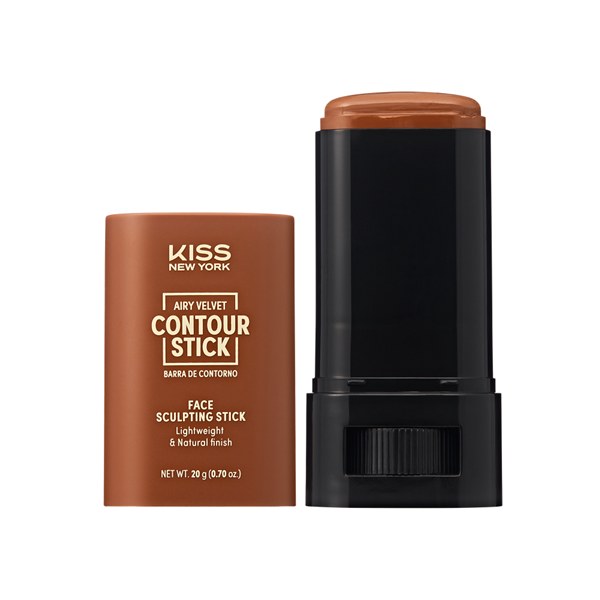
5. The Dimension Builder - Kiss Airy Velvet Contour Stick
-
Best For - Cream sculpting, definition, and restoring shadows after applying foundation.
-
Why It Fits the Guide - Once your base is applied, you need a cool-toned product to bring life back to the planes of your face. This lightweight stick glides effortlessly over liquid foundation before setting powder, making it a breeze to sculpt your cheekbones and jawline cleanly.
Frequently Asked Questions
1. Why does my foundation look grey or ash-colored after a few hours?
If your foundation turns grey, chalky, or ashy as the day goes on, it means you have chosen a shade with an incorrect undertone, usually a cool or neutral base when your skin is actually warm, or vice versa. When a warm complexion is covered in a cool pigment, the competing undertones cancel each other out, resulting in a dull, grey cast. Re-test your skin using the jewelry or vein test and try switching to a golden or peachy-warm shade family.
2. Should I apply my foundation or my concealer first?
For most routines, you should always apply your foundation first. Foundation acts as an evening blanket across your entire face. Once it is blended, you will find that many minor blemishes and red areas are already covered, meaning you will need to use far less concealer. The only exception is color-correcting - if you are using a green or peach color corrector to neutralize intense redness or deep under-eye shadows, apply that corrector before your foundation so the bright color doesn't bleed through your final look.
3. How do I stop my under-eye concealer from creasing and caking into fine lines?
Under-eye creasing happens when excess product settles into the skin's natural movement lines. To prevent this, first ensure the area is well-hydrated with a lightweight eye cream. Next, use a damp beauty sponge to press a very minimal amount of hydrating liquid concealer onto the skin, building coverage only where needed. Finally, immediately set the area using the "baking" method or a light dusting of translucent setting powder while looking upward to ensure the product locks down smoothly.
4. Can I use my winter foundation in the summer if I use a darker concealer?
It is not recommended. Trying to darken a winter foundation that is too light by mixing it with a dark concealer often alters the chemical composition of the formula, leading to patchiness, separating, and poor longevity. Instead, keep a deeper "summer shade" foundation bottle on hand. You can mix varying drops of your winter and summer foundations together on the back of your hand to create a perfectly customized transition shade as your skin depth naturally changes throughout the year.
5. What is the difference between oxidation and flashback?
Oxidation is a chemical reaction that occurs when a foundation's oils and pigments interact with air and your skin’s natural oils, causing the wet liquid to dry down a shade darker or more orange over 5 to 10 minutes. Flashback, on the other hand, happens only in flash photography. It is caused by specific ingredients, like zinc oxide or titanium dioxide found in physical SPF sunscreens, or heavy silica in setting powders, that literally reflect light back into a camera lens, making your face appear stark white in photos.
Summary Checklist for a Flawless Base
When you head out to purchase your next complexion products, keep this quick-reference foundation guide and concealer guide checklist handy:
-
Identify Undertone - Look at your veins (blue=cool, green=warm, mixed=neutral).
-
Pick Depth Family - Determine if you are fair, light, medium, tan, or deep.
-
Swatch the Edge - Apply three close shade options along your jawline down to your neck.
-
Wait Out the Oxidization - Let the formulas dry completely for 5 to 10 minutes.
-
Verify Outside - Confirm the color vanishes seamlessly under natural daylight.
-
Select Blemish Concealer - Match this shade exactly to your foundation depth.
-
Select Brightening Concealer - Pick a formula 1 to 2 shades lighter with a color-correcting undertone.
-
Check Chemistry - Ensure your primer and foundation share a compatible base (water + water, or silicone + silicone).
By taking the time to decode your undertone, respect the dry-down time, and choose specific formulas for different areas of your face, you will master how to choose foundation effortlessly. Explore the extensive shade ranges available online today to curate your ultimate, skin-like complexion routine!