What Is Clean Beauty - The Definition And Standards
A Complete Guide to Non-Toxic Standards and Ethical Ingredient Transparency in Cosmetics.
As the beauty industry undergoes its most significant transformation in decades, the term clean beauty has moved from a niche buzzword to the definitive gold standard for the modern consumer. But with this rise comes a wave of confusion. Is it the same as organic? Are all chemicals bad?
At Beauty Depot Online, we believe that transparency is the foundation of confidence. In this comprehensive guide, we’ll break down the clean beauty definition, explore the evolving clean beauty standards of 2026, and help you navigate the labels to find products that are as effective as they are safe.
What is Clean Beauty?
To understand what clean beauty is, we must first look at what it isn't. Unlike organic or vegan, which have specific legal or dietary parameters, clean beauty is a holistic philosophy.
The most accurate clean beauty definition refers to products that are mindfully created and produced without any proven or suspected toxic ingredients. Clean beauty products prioritize human health and environmental safety while embracing both natural and safe synthetic ingredients.
The Core Pillars of Clean Beauty
-
Safety First - Ingredients are screened for endocrine disruption, carcinogenicity, and environmental toxicity.
-
Full Transparency - Brands go beyond the legal requirements, often disclosing fragrance components and sourcing methods.
-
Ethical Sourcing - A commitment to fair trade, cruelty-free testing, and sustainable harvesting.
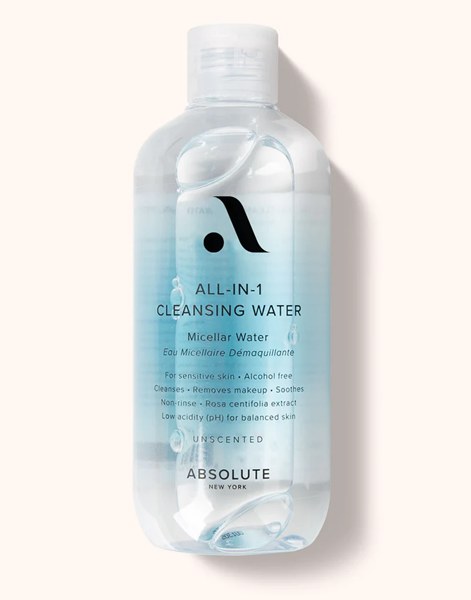
Try this Absolute All-in-1 Cleansing Water - Unscented and Cruelty-free.
Clean Beauty Standards - The 2026 Regulatory Structure
For years, the clean movement was entirely self-regulated by brands. However, 2026 marks a turning point with the full enforcement of the Modernization of Cosmetics Regulation Act (MoCRA). This legislation has brought the US closer to FDA-regulated safety standards that the clean beauty movement has long advocated for.
Voluntary vs. Legal Standards
While MoCRA mandates better record-keeping and serious adverse event reporting, Clean remains a voluntary marketing standard. Leading retailers and brands typically adhere to a Never List, a blacklist of ingredients that will never touch their formulas.
|
Standard Category |
Typical Requirements |
|
Ingredient Integrity |
No parabens, phthalates, or formaldehyde-releasers. |
|
Ethical Verification |
Third-party audits for Leaping Bunny or PETA certification. |
|
Environmental Impact |
Use of biodegradable formulas and reef-safe mineral UV filters. |
|
Packaging |
Move toward mono-materials and refillable systems to reduce waste. |
The Never List - Commonly Avoided Ingredients
A major part of the clean beauty definition is the exclusion of the dirty dozen. Here are the primary culprits you’ll find missing from our curated skincare collection:
-
Parabens (Methyl-, Ethyl-, Propyl-, Butyl-) - Used as cheap preservatives, these are known endocrine disruptors that can mimic estrogen in the body.
-
Phthalates (DEP, DEHP) - Often hidden under the word fragrance, these help scents last longer but are linked to reproductive and developmental issues.
-
Sulfates (SLS & SLES) - Harsh surfactants that create foam but can strip the skin’s natural moisture barrier and irritate the scalp.
-
Silicones (Cyclopentasiloxane) - While they give a silky feel, many silicones do not biodegrade and can suffocate the skin by trapping bacteria and sebum.
-
Mineral Oil & Petrolatum - Derived from petroleum, these can be contaminated with PAHs (polycyclic aromatic hydrocarbons) and offer no nutritional value to the skin.
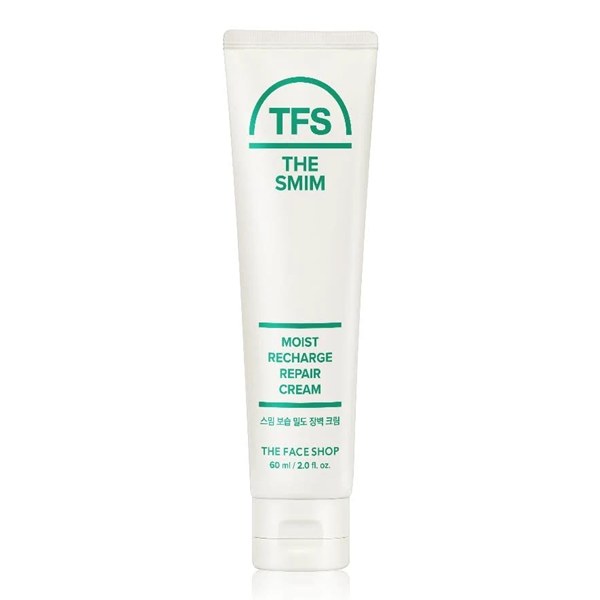
If you think you have used the above-mentioned ingredients in your beauty products, you have to repair your skin’s barrier with TFS The Smim Moist Recharge Repair Cream.
The Science of Clean-Plus Performance
In 2026, clean beauty is no longer just about removing the bad. It’s about Biotechnology, the fusion of nature and science. This is where the industry is heading:
Lab-Grown Natural Ingredients
Sustainable sourcing is a challenge. For example, harvesting sandalwood or certain algae can deplete natural ecosystems. Clean beauty now uses bio-fermentation to grow nature-identical ingredients in a lab. This ensures 100% purity, higher potency, and zero impact on the environment.
The Microbiome Shift
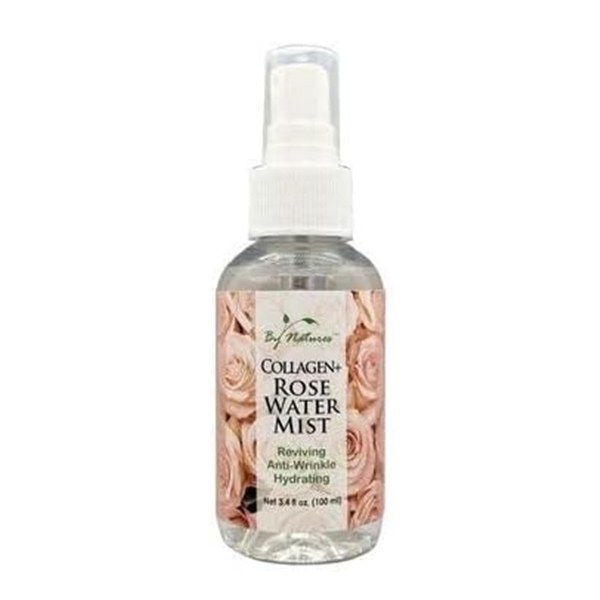
Modern clean beauty standards now focus on the skin's microbiome. Clean products are increasingly formulated with prebiotics and postbiotics to support the good bacteria on your skin, rather than just nuking everything with harsh antibacterials. To re-establish your skin’s microbiome, try By Nature’s Collagen Rose Water Mist.
Smart Packaging
The definition of clean has expanded to include the afterlife of the bottle. We are seeing a rise in mono-material packaging, pumps, and bottles made of a single type of plastic or metal, making them 100% recyclable without the need for complex sorting.
Clean vs. Natural vs. Organic - Spotting the Difference
One of the biggest hurdles in understanding what clean beauty is is the terminology overlap. Use this quick reference guide to stay informed:
-
Clean - Focuses on safety and non-toxicity. Can include safe synthetics (like lab-made Vitamin C) and natural extracts.
-
Natural - Ingredients come from nature. Warning! Lead and arsenic are natural, but not clean or safe. Always look for clean over just natural.
-
Organic - Ingredients are grown according to organic farming standards (no synthetic pesticides). A product can be organic but still contain natural irritants like essential oils.
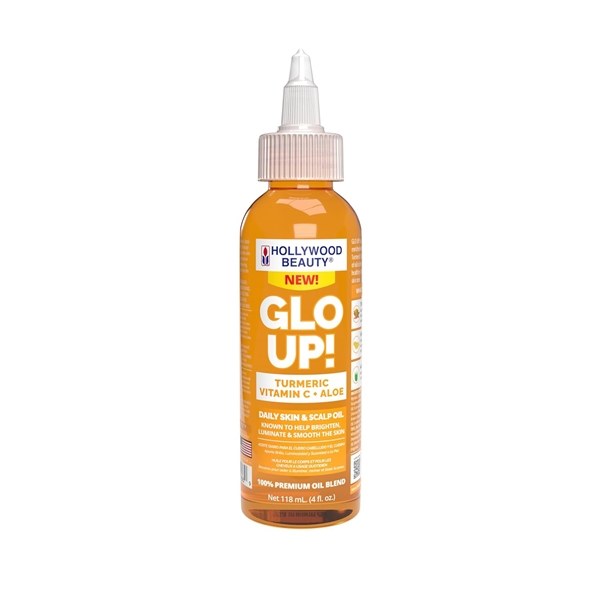
This oil is your go-to for instant glow. Get this Hollywood Beauty Glo Up Turmeric Vitamin C + Aloe Oil today.
Common Certifications to Look For
Since the government doesn't stamp a product as clean, look for these reputable third-party seals:
-
EWG Verified - The Environmental Working Group’s highest honor for transparency and safety.
-
COSMOS Organic/Natural - A global standard that ensures environmentally friendly production and responsible use of natural resources.
-
Leaping Bunny - The gold standard for ensuring no animal testing was conducted at any stage of product development.
Check out the Environmental Working Group’s Skin Deep Database to search for individual ingredients and see their safety ratings.
Common Myths Busted
-
Myth - Clean beauty isn't as effective.
-
Fact - With the advent of peptides, stable Vitamin C derivatives, and bakuchiol (a clean retinol alternative), clean products often outperform traditional ones without the irritation.
-
-
Myth - Clean beauty is just a marketing gimmick.
-
Fact - While greenwashing exists, the strict standards of retailers and the new MoCRA regulations are forcing real accountability.
-
-
Myth - All chemicals are bad.
-
Fact - Everything is a chemical, even water (H2O). Clean beauty is about avoiding toxic chemicals, not all science.
-
Frequently Asked Questions (FAQ)
1. Does a clean beauty definition mean a product is 100% natural?
Not necessarily. One of the biggest misconceptions about what clean beauty is is that it excludes all synthetic ingredients. In reality, clean beauty focuses on safety over origin. Many clean brands use safe synthetics, ingredients created in a lab to be more stable, sustainable, and less allergenic than their natural counterparts. For example, a lab-derived Vitamin C can often be more effective and less irritating than one sourced directly from citrus.
2. Are clean beauty products as effective as traditional ones?
Absolutely. By 2026, the gap between clean and clinical has virtually disappeared. Advanced clean beauty standards now incorporate high-performance bio-actives like Bakuchiol (a plant-based retinol alternative) and Hyaluronic Acid produced through bio-fermentation. These ingredients offer the same transformative results as traditional chemicals but without the risk of long-term toxicity or skin barrier disruption.
3. Why is fragrance-free so common in clean beauty?
In the traditional beauty industry, fragrance is considered a trade secret, allowing brands to hide hundreds of chemicals, including hormone-disrupting phthalates, under a single label. Clean beauty brands either disclose every component of their scent or opt for fragrance-free formulas to protect consumers with sensitive skin and to ensure total transparency.
4. Is clean beauty safe for acne-prone or oily skin?
Yes, and in many cases, it is actually better. Traditional products often rely on heavy silicones and mineral oils to create a smooth texture, which can clog pores and lead to maskne or breakouts. Clean beauty alternatives use breathable, non-comedogenic plant oils like Squalane or Hemisqualane, which mimic the skin’s natural sebum and provide hydration without the congestion.
5. How can I tell if a brand is Greenwashing?
Greenwashing occurs when a brand uses vague terms like herbal or eco-friendly without meeting actual clean beauty standards. To spot the real deal, look for:
-
Full Ingredient Disclosure - They list everything, including what’s in their fragrance.
-
Third-Party Seals - Look for EWG Verified, COSMOS, or Leaping Bunny certifications.
-
Detailed Sourcing - Real clean brands can tell you where their ingredients come from and how they are processed.
Conclusion
Transitioning to a clean routine doesn't have to happen overnight. Start by replacing the products you use most often, like your daily moisturizer or cleanser, and expand from there. By choosing clean, you aren't just protecting your skin; you're supporting a more ethical, transparent, and sustainable beauty industry.
Understanding the clean beauty definition is just the beginning. If you're ready to see how these standards hold up against the industry giants, check out our deep-dive comparison. Read our Guide On Clean Beauty vs. Conventional Products here.
Ready to clean up your vanity? Explore our Clean Beauty Products or contact Beauty Depot Online and discover high-performance formulas that meet the highest safety standards in the industry.