
Clean Beauty vs. Conventional Products - Complete Comparison
Walking down the beauty aisle today feels less like shopping and more like a chemistry test. You’re hit with a choice overload of buzzwords - clean, green, non-toxic, eco-chic, and bio-compatible. If you feel overwhelmed, you’re not alone. The industry has reached a tipping point where marketing language often moves faster than actual regulation.
For years, the conversation was rooted in fear - Chemicals are bad. But in 2026, we’re shifting to a more sophisticated standard - Transparency is Power. Everything is a chemical; water is a chemical. The real question isn’t whether an ingredient is synthetic, but whether it is safe, ethical, and necessary.
The Thesis - Conventional beauty is designed for the now, prioritizing immediate speed, 2-year shelf lives, and sensory textures. Now, what is Clean beauty? Well, conversely, is a long game investment, prioritizing skin-barrier integrity, ingredient safety, and long-term biological health.
We have simplified the concept of greenwashing and clean beauty on many occasions. So, please read further for more!
The Performance Gap of Clean Beauty vs. Conventional Products
Let’s be honest - there is a reason conventional products have dominated for decades. They offer an instant fix that clean beauty sometimes struggles to replicate overnight. To make an informed switch, you have to understand the Performance Gap.
Synthetic Benefits
Conventional products rely heavily on silicones (like dimethicone) to create a velvet-smooth finish that fills in pores and fine lines instantly. They use parabens and formaldehyde-releasers to ensure that a jar of cream stays bacteria-free for years, even if you leave it in a humid bathroom. It’s convenient, high-performance, and shelf-stable, but it often masks skin issues rather than healing them.
Supporting Biology over Masking It
When you switch to clean beauty, you might experience what we call the Clean Curve. Because clean formulas swap silicones for plant oils and butters, they may feel heavier initially or take an extra 30 seconds to absorb.
More importantly, because clean beauty works with your skin’s natural lipids rather than coating them in plastic, it typically takes 4–6 weeks (one full skin-cell turnover cycle) to see a true difference. You aren’t just fixing a breakout; you are strengthening the skin barrier so it stops breaking out on its own.
The Rise of Green Chemistry (Safe Synthetics)
The future isn’t just plants vs. labs. Welcome to Green Chemistry. This is where we create Safe Synthetics, ingredients made in a lab (like fermented hyaluronic acid or lab-grown squalane) that are identical to natural molecules but more stable, more potent, and significantly more sustainable than harvesting rare botanicals from the wild.
Because the word clean is not legally regulated, third-party clean beauty certifications are your best defence against greenwashing. In 2026, looking for the logos of EWG VERIFIED™, COSMOS, and Leaping Bunny, etc., is the quickest way to verify a brand's claims without needing a degree in chemistry.
Clean Beauty vs. Conventional Products - The Comparison Matrix
This no-fluff breakdown shows exactly what you are trading when you move from a conventional bottle to a clean one.
|
Feature |
Conventional Beauty |
Clean Beauty |
The Why |
|
Preservatives |
Parabens, Phenoxyethanol, Formaldehyde-releasers. |
Sodium Benzoate, Potassium Sorbate, Organic Acids. |
Conventional aims for a 2+ year shelf life; Clean prioritizes endocrine safety with shorter lifespans. |
|
Fragrance |
Parfum (a legal loophole for 3,000+ undisclosed chemicals). |
Essential oils or 100% disclosed natural isolates. |
Transparency. Parfum is the #1 cause of skin sensitivity and allergic reactions. |
|
Texture/Slip |
Silicones (Dimethicone) and Mineral Oils. |
Plant-based oils (Jojoba, Argan) and Biopolymers. |
Silicones provide a fake smoothness; plant oils provide actual fatty acids to nourish the barrier. |
|
Active Ingredients |
Often highly processed; may contain petroleum-derived fillers. |
Nutrient-dense, cold-pressed, or Bio-tech fermented actives. |
Clean beauty uses active carriers (like Aloe) instead of inert fillers (like Water/Petrolatum). |
|
Environment |
Microplastics and high-carbon manufacturing. |
Biodegradable formulas and ethically sourced supply chains. |
What goes down your drain eventually enters the water system and the food chain. |
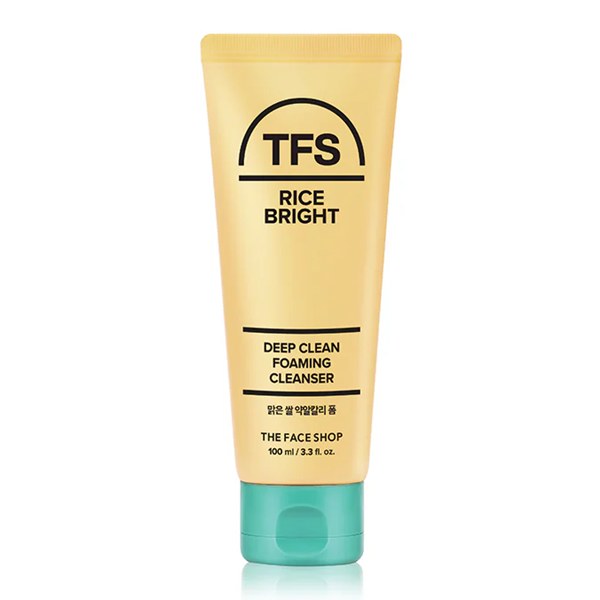
Are you still using sulfates to get that squeaky clean feeling? That’s actually your skin barrier screaming for help. Swap your conventional foaming wash for a non-stripping, plant-based cleanser that preserves your natural oils while removing impurities.
The Dirty Dozen Audit
To truly get the benefits of a clean beauty switch, you have to stop reading the front of the bottle and start auditing the back. Marketing terms like natural are unregulated, but the ingredient list (the INCI list) never lies.
Red Flags - The Non-Negotiables
If you see these Dirty Dozen ingredients on a label, the product doesn't meet the modern standard for clean beauty. Scan your vanity for these high-priority offenders:
-
PFAS (Per- and Polyfluoroalkyl Substances) - Often called forever chemicals, these are used for water resistance in long-wear mascaras and foundations. They are linked to hormonal disruptions and environmental persistence.
-
Formaldehyde Releasers - Look for DMDM hydantoin, Quaternium-15, or Imidazolidinyl urea. These preservatives slowly release formaldehyde, a known carcinogen, to prevent mold.
-
Coal Tar - Frequently found in dark hair dyes and anti-dandruff shampoos. It is a byproduct of petroleum processing and is associated with heavy metal toxicity.
-
Hydroquinone - A skin-lightening agent that can be aggressive and is banned in several regions due to concerns over its long-term impact on skin cells.
-
Triclosan - An antibacterial agent often found in soaps and toothpastes that can disrupt thyroid function and contribute to antibiotic resistance.
The Fragrance Loophole - The Black Box of Beauty
The most dangerous word on a cosmetic label is often the shortest - Fragrance (or Parfum). Due to trade secret laws, companies are not required to disclose what makes up their signature scent. This creates a black box where a single word can hide a cocktail of up to 3,000 unregulated chemicals. Among these are often Phthalates, which help scents last longer but act as potent endocrine disruptors. Clean beauty brands skip the loophole by using 100% disclosed natural isolates or essential oils, so you know exactly what is touching your skin.
Sustainability 2.0 - It’s Not Just a Glass Bottle
In 2026, Clean and Green are inseparable. However, sustainability has evolved past simply putting a product in a glass jar. True clean beauty looks at the entire lifecycle of the product.
Biodiversity & Soil Health
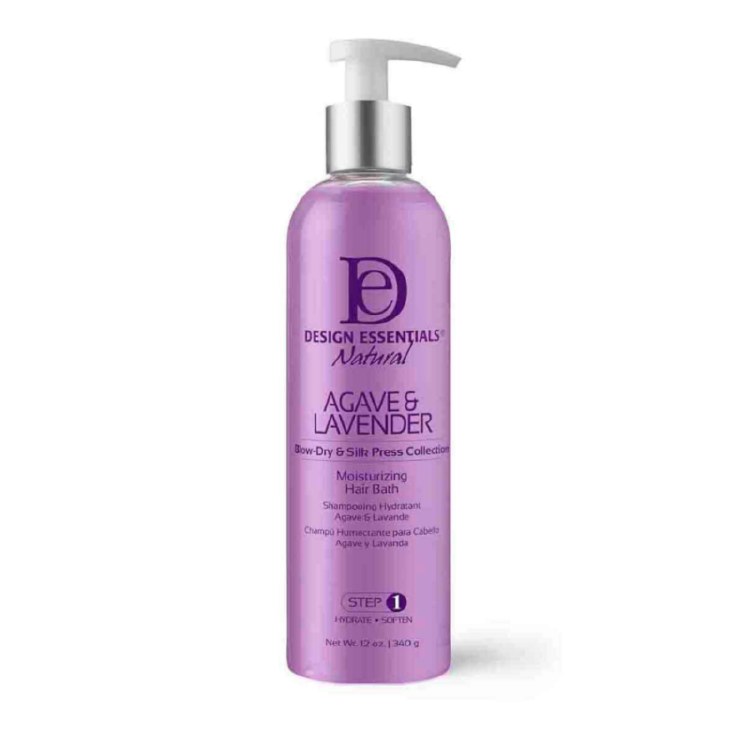
Conventional beauty relies on industrial farming that uses synthetic pesticides and monocultures, stripping the earth of its nutrients. Organic farming for beauty ingredients (like Lavender, Rosehip, or Calendula) protects biodiversity. By avoiding synthetic runoff, organic practices keep local water systems clean and ensure the soil remains a living, carbon-sequestering ecosystem. Try the Design Essentials Agave & Lavender Moisturizing & Strengthening Shampoo.
Ethical Sourcing - The Mica & Palm Oil Problem
Transparency must extend to the human beings behind the ingredients.
-
Mica - The mineral that gives your highlighter its shimmer is often linked to unethical child labor in mines. Clean brands now insist on Vetted Mica or use synthetic fluorphlogopite (lab-made shimmer) to ensure no harm is done.
-
Palm Oil - Mass-produced palm oil is a leading cause of deforestation. Sustainable brands use RSPO-certified palm oil or avoid it entirely to protect rainforest habitats.
Packaging Ethics - The End of Virgin Plastic
The goal is a circular economy.
-
PCR (Post-Consumer Recycled) Plastic - Instead of creating new (virgin) plastic from oil, clean brands use plastic that has already been recycled, giving it a second life.
-
Refillables - The most sustainable package is the one you don't throw away. Refillable pods for moisturizers and serums reduce packaging waste by up to 80% over time.
Treatment & Repair
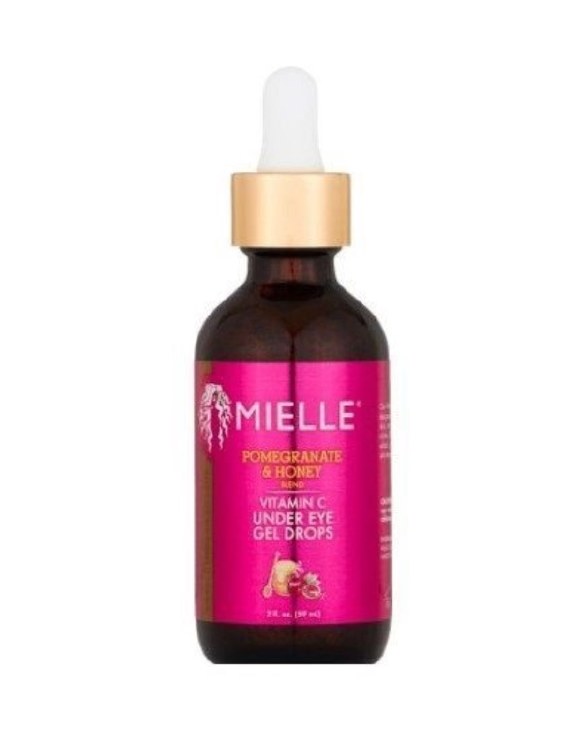
Who says you need harsh chemicals for high-performance results? If you’re looking to target fine lines or hyperpigmentation without the irritation of conventional Retinol, look for a Bakuchiol Serum. It’s a plant-derived retinol alternative that offers the same collagen-boosting benefits without the peeling or sun sensitivity. Pair it with a Vitamin C serum stabilized with ferulic acid for a science-backed glow that rivals any medical-grade conventional treatment. Get your Mielle Poegranate & Honey Blend Vitamin C Under Eye Gel Drops.
How to Audit Your Own Vanity (An Actionable Guide)
Transitioning to a clean routine doesn’t require a purge-and-replace mentality. In fact, a frantic overhaul is often counterproductive for both your skin and the planet. Use this three-step protocol to audit your current collection with intention.
The Empty-First Rule
The most sustainable product is the one you already own. Unless a product is causing an active allergic reaction or has expired, finish the bottle. Tossing half-full containers into the landfill contributes to chemical runoff and plastic waste. Use this transition period as a grace phase, as each conventional product hits the bottom, replace it with a clean alternative. This gradual shift also allows your skin to adapt without the shock of a dozen new ingredients at once.
The Patch Test Protocol - Natural ≠ Universal
A common misconception is that natural means non-irritating. In reality, potent botanicals (like essential oils, bark extracts, or nut oils) can be just as reactive as synthetics. Before a full face application, follow this protocol:
-
Apply a small amount of the new product to the inside of your forearm or the side of your neck.
-
Wait 24 to 48 hours.
-
Check for redness, itching, or tiny bumps. This is especially critical for clean beauty, which often uses high concentrations of active plant extracts.
The Digital Toolkit - Apps to Empower You
You don’t need a degree in biochemistry to understand your labels. Use technology to bridge the knowledge gap. These tools allow you to scan a barcode and get an instant safety rating:
-
EWG Healthy Living - Backed by the Environmental Working Group, this app rates products based on ingredient toxicity and regulatory data.
-
Yuka - Provides a simple color-coded score (Excellent to Poor) and highlights why an ingredient is flagged, offering cleaner alternatives for low-rated items.
-
Think Dirty - Focused specifically on the dirty ingredients in the beauty industry, giving you a clear 1-10 Dirty Meter.
The Protector
When it comes to sun protection, the clean choice is often a physical one. Most conventional sunscreens use chemical filters like oxybenzone or avobenzone, which absorb into the bloodstream and have been flagged as potential endocrine disruptors.
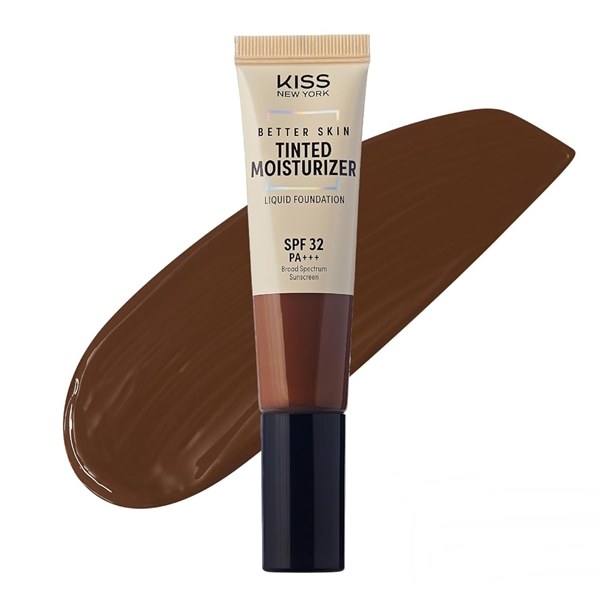
Swap your chemical SPF for a Non-Nano Zinc Oxide Sunscreen. Non-nano mineral filters sit on top of the skin and reflect UV rays like a mirror. They are reef-safe, photostable (they don't break down in the sun), and provide immediate protection without the 20-minute wait time of chemical alternatives. To keep the pigments away, try this Kiss Tinted Moisturizer Liquikd Foundation that includes SPF, too.
Conclusion
The debate between clean beauty and conventional skincare isn't a war; it’s an evolution. We are moving away from an era of secret formulas and into an era of radical transparency.
Choosing clean and organic beauty is a Long Game. You are trading the instant, silicone-slicked gratification of conventional products for the long-term health of your skin barrier and the preservation of our environment.
Remember - The goal is progress, not perfection. You don’t need to be 100% clean by tomorrow morning. Every time a bottle runs out, you have a fresh opportunity to make an informed choice. For more tips on curating your daily routine, dive into our beauty and makeup guide.
By understanding what’s inside your products, you stop being a passive consumer and start being an advocate for your own health and the health of the planet.