
Types Of Lip Products - Lipstick, Gloss, Stain, & Balm!
Upgrade your makeup routine with the ultimate guide to finishes, wear times, and lip care.
The world of lip cosmetics expands far beyond simple color choices. When curating your daily beauty wardrobe, understanding the distinction between different lipstick types, lip gloss, lip stain, and lip balm is essential for creating both visually stunning and functionally comfortable makeup looks.
Whether you are stepping into a corporate boardroom, preparing for a wedding, or running casual errands, your choice of lip product directly dictates your look's longevity, texture, and hydration level. At Beauty Depot Online, finding your ideal match becomes effortless once you know how these four core products interact with your skin's unique anatomy.
Let's dive deep into the ultimate breakdown of lipstick types, lip gloss, lip stain, and lip balm formulas, covering everything from science-backed lip care physiology to professional makeup artist application techniques.
The Biological Need for Tailored Lip Care
To understand why different lip formulations exist, it helps to examine the unique physiology of the human lip. Unlike the rest of your facial skin, the vermilion border of the lips lacks sebaceous (oil) glands and hair follicles. Furthermore, while normal facial skin consists of 15 to 20 protective cell layers, the stratum corneum on the lips is only 3 to 5 layers thick.
According to clinical research published in dermatology literature, this ultra-thin barrier causes the lips to lose moisture up to three times faster through Transepidermal Water Loss (TEWL) compared to the cheeks. Without continuous external protection or hydration, lips quickly become prone to flaking, cracking, and premature aging.
Comparison of Lip vs. Facial Skin |
||
|
Feature |
Lip Skin |
Facial Skin |
|
Stratum Corneum Thickness |
3–5 Layers |
15–20 Layers |
|
Natural Oil Glands (Sebum) |
None |
Present |
|
Water Loss Rate (TEWL) |
~3x Faster |
Standard Rate |
This biological vulnerability explains why cosmetic formulators rely on distinct combinations of humectants, emollients, and occlusives across various lipstick types, lip gloss, lip stain, and lip balm options to deliver color alongside barrier defense.
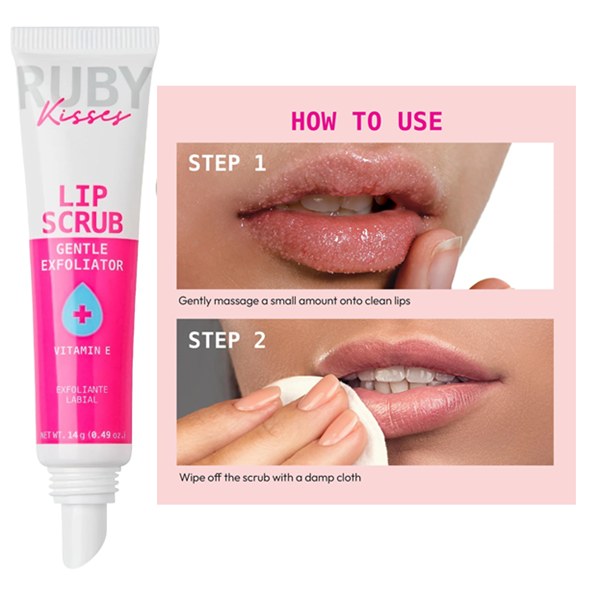
Before applying any pigmented formula, prepping dry, flaking skin is essential. Start with a gentle conditioning treatment like the Kisses Lip Scrub Gentle Exfoliator to smooth out dry patches without micro-tearing the skin surface.
1. Lipstick - The Classic Statement Piece
What It Is & How It Works
Lipstick is a highly pigmented solid tube (bullet) or liquid formula engineered to deliver opaque, bold color coverage. Formulated primarily with structured waxes, nourishing oils, and micro-fine pigments, classic lipsticks lay down a rich layer of color that completely masks the underlying natural lip hue.
Key Finishes Explained
When exploring various lipstick types, you will encounter several distinct finishes designed for specific occasions:
-
Matte - Formulated with higher clay/silica content and lower oil ratios, matte lipsticks provide zero-shine, high-impact color payoff with incredible staying power.
-
Satin - A harmonious balance between velvet and sheen, satin lipsticks feel lightweight while providing creamy coverage.
-
Cream - High in emollient oils, cream lipsticks cushion the lips, providing soft radiance alongside rich pigmentation.
-
Sheer - Formulated with lower pigment density and higher oil content, sheer lipsticks offer a gentle wash of color ideal for minimal "no-makeup" days.
Best For
Maximum color payoff, crisp structural shaping, and defined, statement makeup looks.
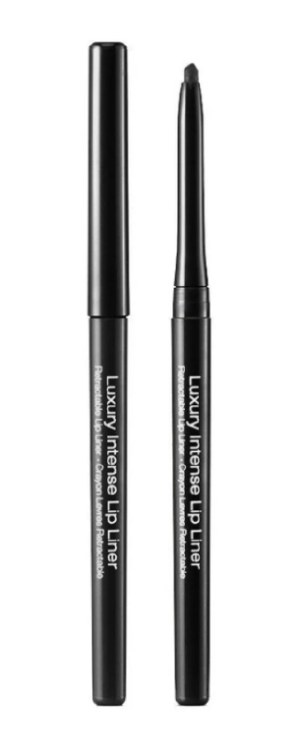
For ultra-crisp edges and non-feathering wear, pair your favorite satin bullet lipstick with the Kiss Luxury Lip Liner (Available in 12 colors) to map your Cupid's bow and prevent color bleeding throughout the day.
2. Lip Gloss - High-Shine & Dimensional Plumping
What It Is & How It Works
Lip gloss is a liquid or gel-based formula worn alone or layered over other lip products to introduce a reflective, glass-like shine. Modern lip gloss formulations rely on specialized polymers, shiny ester oils, and light-reflecting mica minerals to bounce light off the lips, instantly creating an optical illusion of fuller, plumper lips.
Key Finishes & Variations
-
Glass-Like / High-Shine - Smooth, ultra-reflective liquid gels that create a wet look without gritty particles.
-
Shimmer & Sparkle - Infused with micro-pearls or fine glitter to capture multi-dimensional light rays.
-
Plumping Glosses - Formulated with mild, temporary micro-circulatory stimulants like peppermint, ginger root, or hyaluronic acid spheres to temporarily increase lip volume.
Best For
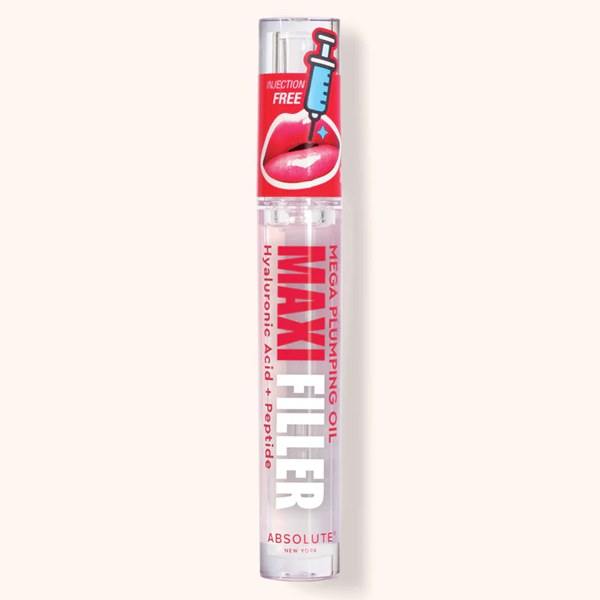
Creating a youthful, dimensional sheen, adding quick volume to thin lips, or elevating a flat matte base into a luminous evening look. You can explore the best lip product collection to find non-sticky gloss formulas that maintain moisture while delivering high shine. Speaking of shine and volume, you can get both using Absolute Lip Plump Maxi-Filler Gloss.
3. Lip Stain - Long-Wearing, Transfer-Proof Color
What It Is & How It Works
Unlike traditional lipsticks that rest as an opaque layer on top of the skin, a lip stain consists of fluid water- or alcohol-based pigments that penetrate the upper layers of the lip's stratum corneum. As the liquid carrier vehicle evaporates, the color dyes bind directly to the lip tissue, leaving behind a transfer-proof wash of tone.
Key Finishes
-
Water Stains - Ultra-fluid, weightless liquids that dry down completely bare to the touch, offering a natural flushed appearance.
-
Gel Stains - Slightly thicker formulations that allow extra playtime for blending before setting into a long-lasting tint.
-
Peel-Off Stains - Innovative film-forming tints applied thickly, left to set, and peeled off to reveal vibrant color underneath.
Best For
Busy days, athletic activities, humid climates, or under-mask wear where touch-ups are impractical. A quality lip stain offers hours of comfortable color without transferring onto cups, clothing, or skin.
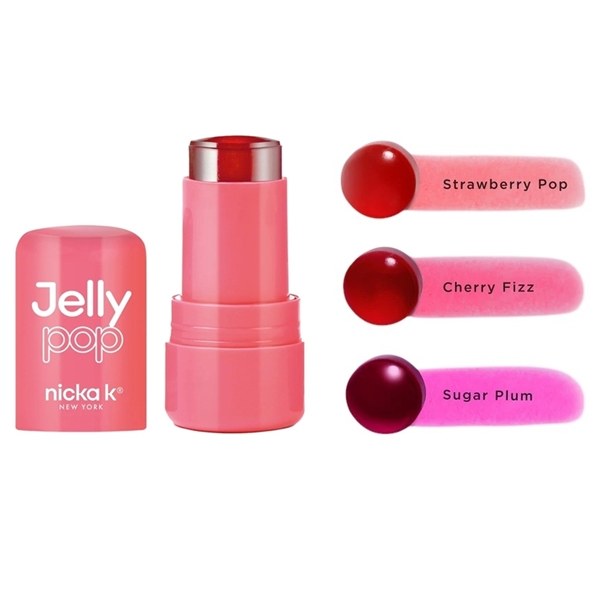
For the stain base step in your hydration sandwich, apply a lightweight liquid lip tint like our Nicka K Jelly Pop Lip & Cheek Tint onto the center of your lips and diffuse with your fingertip for a transfer-resistant tint that survives meals and drinks.
4. Lip Balm - Essential Barrier Repair & Hydration
What It Is & How It Works
A lip balm is an essential therapeutic treatment designed primarily to replenish moisture and restore compromised lip skin. Because the lips cannot secrete natural protective oils, a high-performance lip balm combines three essential cosmetic chemistries:
-
Humectants (e.g., Glycerin, Hyaluronic Acid) - Pull water moisture into the skin tissue.
-
Emollients (e.g., Shea Butter, Plant Oils, Squalane) - Fill microscopic cracks between skin cells for a smooth texture.
-
Occlusives (e.g., Petrolatum, Beeswax, Lanolin) - Form a hydrophobic barrier that seals in moisture and drastically cuts down Transepidermal Water Loss (TEWL).
Key Finishes
-
Clear Therapy Balms - Unscented, low-sheen ointments focused purely on deep overnight repair and extreme weather protection.
-
Tinted Balms - Infused with sheer mineral pigments, offering the protective barrier of a balm with a subtle flush of daily color.
-
SPF Protection Balms - Shield lips against UV-induced collagen degradation and thinning.
Best For
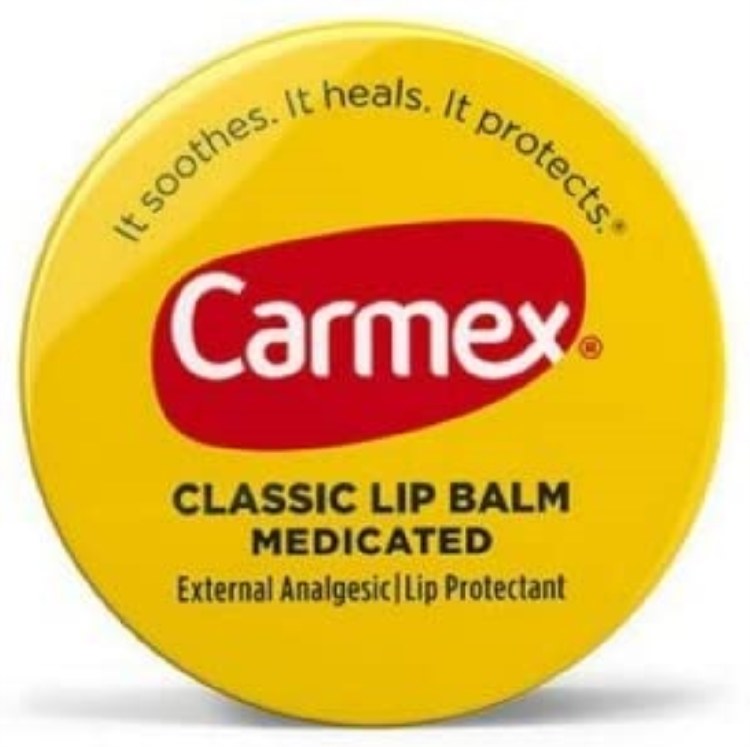
Daily hydration, preventative barrier defense, soothing dry or chapped skin, and effortless bare-faced days. To shield compromised skin barriers overnight or defend against harsh weather, apply a lightweight nourishing lip balm rich in plant lipids and occlusive waxes to lock in essential moisture like this Carmex Classic Lip Balm Jar.
Comparative Breakdown - Finding Your Match
Choosing between various lipstick types, lip gloss, lip stain, and lip balm options comes down to prioritizing what matters most for your routine - pigment, shine, durability, or care.
|
Product Type |
Primary Function |
Finish Options |
Wear Time |
Hydration Level |
Transfer Resistance |
|
Lipstick |
Bold color payoff |
Matte, Satin, Cream, Sheer |
3 – 8 hours |
Low to Moderate |
Low to Medium |
|
Lip Gloss |
High shine & volume |
Glassy, Shimmer, Plumping |
1 – 3 hours |
Moderate |
Low |
|
Lip Stain |
Low-maintenance color |
Natural, Soft Matte |
8 – 12+ hours |
Low |
High (Transfer-Proof) |
|
Lip Balm |
Barrier defense & repair |
Clear, Low-Sheen, Sheer Tint |
2 – 4 hours |
Maximum |
N/A |
Pro Application & Layering Techniques
You don't have to restrict yourself to just one category at a time. Professional makeup artists frequently layer different lipstick types, lip gloss, lip stain, and lip balm products together to customize texture, prolong wear time, and maximize comfort.
Technique 1 - The Long-Wear Hydration Sandwich
-
Prep - Apply a thin layer of restorative lip balm while doing your facial skincare. Blot off excess oil right before applying lip color.
-
Stain Base - Apply a lip stain across the center of your lips and blend outward. Let it set for two minutes.
-
Lipstick Center - Dab a complementary bullet lipstick onto the center of your lips for dimensional pigment density.
-
Gloss Topper - Seal the look with a dot of clear lip gloss in the center of your cupid's bow and lower lip for a plumped appearance.
Technique 2 - Defining the Ombré Lip
To achieve a soft, modern gradient lip look:
-
Contour your outer lip line using a muted matte lipstick shade.
-
Fill the inner core of your lips with a vibrant liquid lip stain.
-
Dab a high-shine lip gloss right over the center to soften any harsh transition lines.
Selecting the Right Product for Every Occasion
Knowing when to deploy specific lipstick types, lip gloss, lip stain, or lip balm ensures your makeup remains effortless and functional throughout the day:
-
Workplace Meetings & Formal Events - Choose satins or mattes from versatile lipstick types for clean definition that stays polished.
-
Outdoor Activities & Travel - Reach for an SPF-infused lip balm to shield vulnerable lip tissue against dry air, wind, and sun damage.
-
All-Day Events & Dining - Apply a long-lasting lip stain so you can enjoy meals and beverages without worrying about constant touch-ups.
-
Casual Outings & Night Out - Layer a nourishing lip balm beneath a sparkling lip gloss for a hydrated, glamorous glow.
By understanding the distinct science and finishing options behind every formula, building a versatile cosmetic kit becomes second nature. Explore the extensive range at Beauty Depot Online and discover your next go-to lip essential from our curated best lip product collection today.
FAQs - Lip Products Edition
1. Can I use a lip stain and a lip balm together without ruining the color?
Yes, absolutely. The key is timing. Apply your lip stain first on clean, dry lips so the water-based pigments can penetrate the skin. Allow the stain to set for 1–2 minutes, then top it with a light layer of lip balm. This seals in moisture without lifting the stain, giving you long-wearing color with zero dryness.
2. Why does my matte lipstick always look cracked or dry?
Matte lipsticks contain higher pigment density and absorbent powders with fewer emollients. Because your lips lack oil glands, matte formulas can cling to dead skin cells. To fix this, exfoliate with a gentle lip scrub, apply a hydrating lip balm while prepping your face, and blot away excess oil right before applying your matte lipstick.
3. Is lip gloss bad for chapped lips?
Not necessarily, but traditional glosses aren't designed to heal them. While a lip gloss provides a temporary barrier and locks in surface moisture, it often lacks the deep emollients and occlusives (like shea butter or beeswax) needed to repair cracked skin. If your lips are severely chapped, apply a restorative lip balm underneath your gloss.
4. How do I stop my lipstick from feathering into fine lines around my mouth?
Lipstick feathering happens when emollient oils travel into tiny lines around the vermilion border. Prevent this by outlining your lips with a lip liner or a clear wax barrier pencil before applying color. For extra security, lightly dust translucent setting powder over a tissue pressed against your lips after application.
5. What is the difference between a tinted lip balm and a sheer lipstick?
The main difference lies in their primary goal:
-
Tinted Lip Balm: Formulated primarily as a skincare treatment. It prioritizes heavy moisture, skin barrier protection, and hydration, with just a hint of sheer pigment.
-
Sheer Lipstick: Formulated primarily as cosmetic color. It delivers light-to-medium pigment coverage with a soft sheen, but provides less intensive lipid repair than a true treatment balm.