
What Is Greenwashing? How To Identify Truly Clean Beauty Products?
Learn the art of reading labels and finding authentic, clean beauty that truly works.
The clean beauty movement has fundamentally shifted how we approach our daily skincare and makeup routines. Today, more consumers than ever are actively seeking products free from harsh chemicals, crafted with sustainable practices, and formulated without harming animals. However, this shift in demand has created a fertile ground for deceptive marketing tactics.
To understand why this is happening, we first have to look at the greenwashing meaning. At its core, greenwashing is a deceptive marketing practice where a company spends more time and money marketing itself as environmentally friendly than actually minimizing its environmental impact. When applied to our industry, greenwashing in beauty refers to the use of misleading claims, like natural, pure, or eco-friendly, to make a product appear safer or more sustainable than it truly is.
Because terms like clean, natural, and non-toxic are not legally regulated in the cosmetic industry, companies often exploit this ambiguity. This practice allows brands to charge premium prices for products that may contain the same synthetic or questionable ingredients as conventional alternatives, all while wrapped in eco-conscious aesthetics.
Understanding this concept is about ensuring that the product you apply to your skin is not an example of greenwashing products and truly aligns with your health and ethical values.
Greenwashing - What Is It?
To understand the greenwashing meaning in the context of cosmetics, it is essential to look at the definition of greenwashing:
It occurs when a brand makes a product appear more natural, safe, or environmentally friendly than it actually is.
It is a strategic effort, often deeply embedded in greenwashing in marketing, to capitalize on the current green trend without necessarily investing in the rigorous, expensive, and time-consuming process of truly clean, ethical manufacturing.
These brands rely on what can be called marketing theatre, using imagery and buzzwords to distract from the reality of the formula inside the bottle. By focusing on what is not in the product (the free-from claims) or highlighting a single botanical ingredient, they create a false narrative of purity.
Sustainability Beyond the Bottle
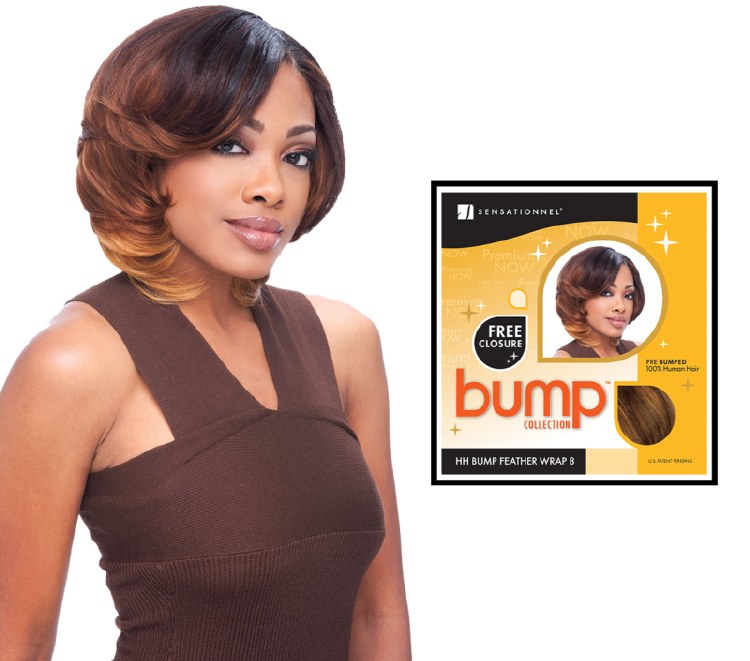
Unlike synthetic versions that may need replacing every few months, a well-maintained human hair wig can last over a year, significantly reducing waste. The 100% Human Hair Wigs at Beauty Depot Online offer styling versatility, allowing you to use heat tools or even color the hair just as you would your own, for example, this Bump Feather Wrap 8 Inch Wig by Sensationnel.
The Problem with Unregulated Terms
In many regions, the cosmetic industry lacks strict legal definitions for clean, pure, or natural. A product can be labeled as natural even if it contains a small percentage of plant-derived material mixed with significant amounts of synthetic preservatives, silicones, and petroleum-based fillers.
This ambiguity is exacerbated by greenwashing buzzwords, terms like eco-conscious, gentle, or botanically derived, that are used strategically to influence perception without evidence. Because there is no official regulatory benchmark, these tactics have become a staple of greenwashing in marketing, leaving consumers to navigate a landscape where the most appealing label often masks the least transparent product. Consequently, the responsibility to identify clean products falls entirely on the consumer.
To provide a balanced view, it is important to note that even well-known clean beauty brands have faced scrutiny. For instance, some critics have labeled Beautycounter as an example of greenwashing products due to the gap between their marketing mission and their actual ingredient choices.
While the brand promotes high safety standards and a Never List of excluded ingredients, detractors point out that they continue to use synthetic preservatives like phenoxyethanol and various microplastic-derived polymers in their formulas.
For consumers expecting purely natural or organic ingredients, the inclusion of these lab-manufactured synthetics, coupled with the brand's premium pricing, creates a disconnect that many equate to greenwashing. This highlights why thorough label reading is always superior to trusting a brand's overall marketing narrative.
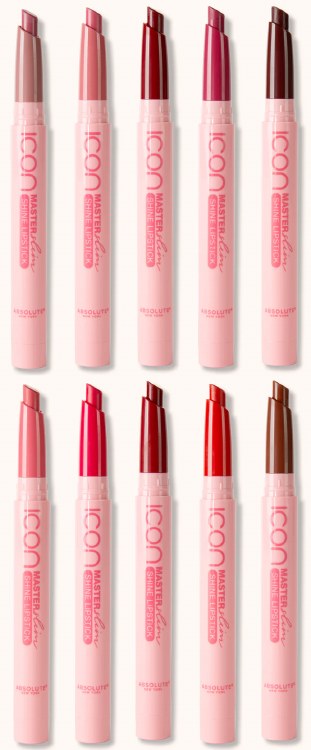
Finding truly transparent beauty products shouldn't feel like a guessing game. When you want high-performance color that matches its label, look for formulas that provide full disclosure rather than relying on vague marketing claims.
The Absolute ICON Master Slim Shine Lipstick in Vivid Raspberry is an excellent example of this transparency. It delivers a bold, buildable, and ultra-shiny finish while remaining explicitly Paraben Free, Sulfate Free, Phthalate Free, and Fragrance Free, plus it is both Cruelty Free and Vegan.
The 10 Biggest Greenwashing Red Flags - How to Spot Fake Clean Beauty
To avoid falling for fake clean beauty, you must learn to look past the branding and focus on the technical details. Here are the primary red flags to watch for in terms of greenwashing or greenhushing.
-
Greenwashing Buzzwords - If a product is covered in terms like eco-friendly, pure, or earth-conscious without explaining how or why, be skeptical. These words act as emotional anchors rather than factual descriptions.
-
Nature-Themed Packaging Theatre - Green bottles, leaf graphics, and bamboo caps are visual cues designed to trigger a positive emotional response. They are often used by brands that are not actually environmentally responsible.
-
The Hero Ingredient Distraction - Marketing may scream infused with organic aloe, while the rest of the formula is composed of silicones and synthetic fragrance. Always look at the full ingredient list, not just the front label.
-
The Free-From Trap - Brands often highlight that they are paraben-free while replacing those parabens with other, potentially harsher, or less-studied synthetic preservatives.
-
Mysterious Proprietary Blends - If a brand hides specific ingredients behind the phrase fragrance or proprietary blend, they are masking the true chemical profile of the product.
-
Lack of Third-Party Verification - Genuine brands seek validation. If a company claims to be sustainable or clean but refuses to pursue recognized certifications, they lack external accountability.
-
Suspiciously Low Prices - High-quality, ethically sourced, and sustainably manufactured ingredients cost money. If a clean product is priced lower than conventional drugstore brands, it is worth questioning the supply chain quality.
-
The Preservative-Free Paradox - If a product contains water (e.g., aqua, aloe vera juice, or floral water) but claims to be preservative-free, it is likely either mislabeled or potentially unsafe, as water-based products require preservation to prevent microbial growth.
-
No Scientific Advisory - Authentic clean brands often partner with toxicologists or dermatologists. A brand that relies purely on influencers and marketing teams without scientific backing should be approached with caution.
-
Parent Company Records - Sometimes, a clean sub-brand is owned by a major corporation with a long history of animal testing or poor environmental practices. Researching the parent company often reveals the brand's true priorities.
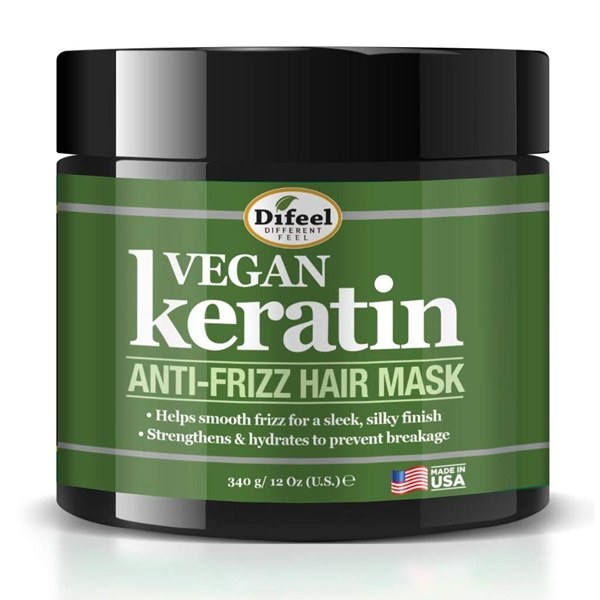
When you want a hair treatment that prioritizes clear, ethical standards, look for formulas that define their ingredients and values upfront.
The Difeel Vegan Keratin Anti-Frizz Hair Mask 12oz is a great example of this, as it is 100% vegan-safe and cruelty-free, containing no animal products. It is designed to smooth frizz for a sleek, silky finish while strengthening and hydrating your locks to prevent breakage.
Identifying a Common Example of Greenwashing Products
Consumers often ask how to tell if a brand is being truly honest about its sustainability claims. A clear example of greenwashing products is the hero ingredient marketing tactic, where a brand highlights one organic extract on the front label, like infused with wild-harvested aloe, while burying synthetic silicones and petrochemicals at the bottom of the INCI list. This is a prevalent issue in greenwashing in marketing, where brands rely on greenwashing buzzwords to project an aura of purity that isn't supported by the actual formula.
Furthermore, a classic example of greenwashing products involves deceptive packaging that utilizes earthy tones, leaf graphics, and recycled-look textures to suggest a natural origin. Consumers are often led to believe these items are environmentally superior, even when the ingredient list contains synthetic fragrance, parabens, and mineral oils.
By learning to look past the aesthetic, you can better identify clean products and ensure your purchases align with your actual health and environmental values, effectively avoiding greenwashing during your next shopping trip.
Now that you know what red flags to look for, how do you find products you can actually trust? At Beauty Depot Online, we have curated a selection of formulas that skip the marketing theater and focus entirely on ingredient transparency and clinical efficacy.
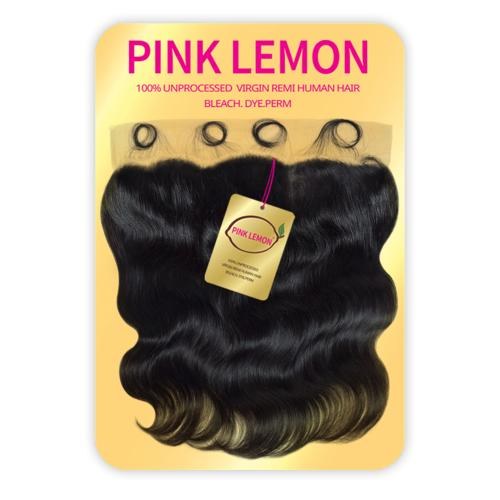
Elevate your styling game with the Pink Lemon 15A Grade 13x4 HD Lace Frontal. Crafted from 100% unprocessed virgin Remy human hair, this premium frontal is designed to offer a seamless, natural-looking hairline with the durability and softness you expect from high-grade extensions.
Tools for Verification of Greenwashing - Becoming a Pro-Consumer
You do not need a degree in chemistry to verify your products. Several tools and databases can help you scan ingredient lists for hidden hazards:
-
EWG Skin Deep® - This database provides comprehensive safety ratings for tens of thousands of personal care products based on ingredient data.
-
Think Dirty - An app that allows you to scan product barcodes to see a breakdown of potentially toxic ingredients and their health impacts.
-
Yuka - This app analyzes food and cosmetic labels to provide a transparent score based on ingredient analysis.
While these tools are excellent starting points, they should be used as guides rather than the absolute truth, as they sometimes prioritize different criteria for safety.
Identifying Genuinely Clean Beauty
True clean beauty is built on transparency. When looking for products that truly align with a clean lifestyle, prioritize the following markers:
1. Independent Third-Party Certifications
Certifications require brands to meet specific, rigorous standards set by external organizations. Look for these trusted seals:
-
USDA Organic - Strictly regulates the use of the term organic.
-
ECOCERT/COSMOS - Global standards for organic and natural cosmetics.
-
Leaping Bunny - The gold standard for cruelty-free verification.
-
EWG VERIFIED™ - Indicates that the product meets the Environmental Working Group’s strict criteria for transparency and health.
2. Full INCI List Transparency
The International Nomenclature of Cosmetic Ingredients (INCI) is the standardized system for listing ingredients. A brand that provides a complete, easy-to-find, and readable INCI list on its website is one that has nothing to hide.
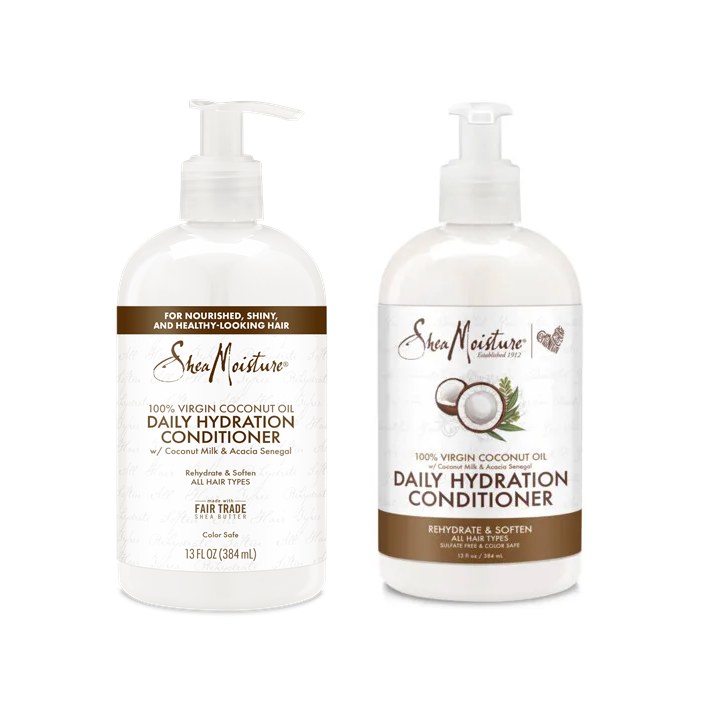
To help you put this principle into practice, look for products that make their ingredient lists easy to access and understand. A great example is the SheaMoisture 100% Virgin Coconut Oil Daily Hydration Conditioner 13oz. This formula is designed to hydrate all hair types using coconut oil and is a staple for those who appreciate clear labeling and effective, consistent results.
3. Sustainability Beyond the Bottle
True clean beauty considers the entire lifecycle of the product. This includes the brand's carbon footprint, the recyclability of the packaging, its ethical labor practices, and the sourcing of its raw materials.
Ingredients to Watch (And Why)
While every person has different skin sensitivities, many in the clean beauty community choose to avoid the following ingredients due to potential health or environmental concerns:
|
Ingredient Category |
Examples |
Why Avoid? |
|
Synthetic Fragrance |
Parfum, Fragrance |
Often hides hundreds of undisclosed chemicals, including phthalates. |
|
Parabens |
Methylparaben, Propylparaben |
Widely linked to potential hormone disruption. |
|
Sulfates |
SLS, SLES |
It can be too harsh, stripping the skin of essential natural oils. |
|
Silicones |
Dimethicone, Cyclomethicone |
Often used to create a smooth feel, but can clog pores and are non-biodegradable. |
|
Petrochemicals |
Mineral Oil, Petrolatum |
Derived from petroleum; often processed with questionable methods. |
For more detailed information on specific compounds, you can refer to authoritative sources like the Cosmetic Ingredient Review (CIR), which evaluates the safety of ingredients used in cosmetics.
The Clean vs. Safe Nuance - Moving Beyond the Synthetic Stigma
A common misconception in the beauty industry is the binary narrative that all-natural is good and all-synthetic is bad. This oversimplification has driven much of the greenwashing we see today. At Beauty Depot Online, we believe that true clean beauty is not about the origin of an ingredient; it is about the safety, efficacy, and environmental impact of that ingredient.
Why Natural Doesn't Always Equal Safe
It is important to remember that nature is chemically complex, and natural is not a synonym for gentle. Many plants produce volatile compounds that can trigger severe allergic reactions, contact dermatitis, or photosensitivity (the skin’s heightened sensitivity to sunlight). For example, while certain essential oils are prized for their scent, they are frequently the primary culprits behind skin irritation.
Furthermore, natural ingredients can be inconsistent. Because the potency of a plant extract varies depending on soil conditions, harvest time, and extraction method, it is difficult to guarantee the same level of safety and performance across every batch.
The Case for Safe Synthetics
Conversely, many lab-grown or synthetic ingredients are among the safest and most effective components in modern skincare. When scientists formulate in a lab, they can create molecules that are bio-identical, meaning they match the structure of substances naturally found in your skin, but with a much higher level of purity.
Consider these advantages of well-researched synthetics:
-
Purity and Consistency - Lab-created ingredients can be manufactured without the environmental contaminants (like heavy metals or pesticides) that can sometimes inadvertently hitch a ride with plant-based extracts.
-
Stability - Natural ingredients often degrade rapidly when exposed to light, air, or heat. Stable synthetic alternatives ensure that the product you buy today will still be effective and safe by the time you reach the bottom of the jar.
-
Environmental Efficiency - Sometimes, extracting a specific compound from a rare plant requires over-harvesting, which is unsustainable. Lab-grown alternatives can replicate the exact same molecule without depleting natural resources, protecting biodiversity while maintaining high product quality.
Frequently Asked Questions
How do I spot a common example of greenwashing products?
One primary example of greenwashing products is the use of free-from marketing that ignores harmful hidden chemicals. Look for brands that focus on what they don't contain rather than providing full transparency on what they do contain. If a brand spends more effort highlighting a single hero ingredient while burying synthetic fillers in the fine print, proceed with caution.
Why is it so difficult to identify clean products in the beauty aisle?
It is challenging because terms like natural, pure, and eco-friendly are largely unregulated in the cosmetic industry. Because there is no legal definition for these buzzwords, companies use them to create a false sense of security. To successfully identify clean products, you must look beyond the front-of-package claims and prioritize brands that provide full INCI (International Nomenclature of Cosmetic Ingredients) disclosure.
How does greenwashing in marketing affect my shopping experience?
Greenwashing in marketing creates a false narrative of purity that can lead consumers to pay premium prices for conventional formulas. By relying on emotive imagery and vague promises, these brands can distract you from checking the full ingredient list, making it harder to find products that actually align with your personal health and environmental values.
What are the best tools for avoiding greenwashing?
The most effective way of avoiding greenwashing is to use third-party verification tools like the EWG Skin Deep® database, Think Dirty, or Yuka. These apps allow you to scan ingredient lists for potential hazards. Additionally, look for reputable third-party certifications, such as Leaping Bunny for cruelty-free or ECOCERT for organic standards, which provide the external accountability that a brand’s own marketing simply cannot offer.
What is the most effective way of avoiding greenwashing when shopping?
The most reliable method for avoiding greenwashing is to adopt a trust but verify approach. Don't rely on the brand's own marketing copy. Instead, cross-reference products using independent safety databases like EWG Skin Deep® or Think Dirty, and look for recognized, third-party certifications like Leaping Bunny or ECOCERT. These seals represent an external audit of a brand’s practices, providing the concrete proof that marketing buzzwords simply cannot offer.
Is natural beauty always safer than synthetic beauty?
Not necessarily. In fact, relying solely on natural ingredients can sometimes lead to irritation, as many botanical compounds are potent allergens. Understanding the greenwashing meaning helps here: brands often use the word natural to make you feel safe, even if the formula is unstable or irritating. At Beauty Depot Online, we prioritize safe synthetics, lab-grown or bio-identical ingredients that offer high performance, purity, and consistency without the unpredictability of raw, wild-harvested botanicals.
The Bottom Line
The beauty industry is evolving, but the burden of proof currently lies with the consumer. Greenwashing in beauty is a sophisticated barrier to entry for genuinely clean brands. By moving away from emotional marketing and toward the science of ingredient lists and third-party certifications, you can cut through the noise.
At the end of the day, clean should not be a marketing tactic; it should be a commitment. By demanding more transparency, supporting brands that show their work, and utilizing verification tools, you can curate a beauty collection that is as safe for your skin as it is for the planet.
For further reading on how to cultivate a more sustainable routine, check out our guide on Clean Beauty vs Conventional Products.