
Everything About Makeup Hygiene! How To Prevent Contamination Of Cosmetics
Learn the art of clean beauty with these essential tips for professional makeup hygiene.
We invest hundreds, sometimes thousands, of dollars in our beauty collections. We hunt for the perfect foundation shade, the most pigmented eyeshadows, and the creamiest lipsticks. But there is one invisible ingredient that could be lurking in your favorite palette - bacteria.
Maintaining strict makeup hygiene isn't just about being neat; it’s a fundamental part of skincare. When we neglect beauty product hygiene, we risk acne breakouts, fungal infections, and even severe eye irritations. If you’ve been wondering why your skin is acting up despite a solid 10-step routine, the culprit might be sitting in your makeup bag.
Here is how to prevent contamination in cosmetics and keep your beauty ritual safe, sterile, and effective.
Why Makeup Hygiene Matters More Than You Think
Your skin is your body’s largest organ, and it is highly absorbent. Every time you use an unwashed brush or dip a dirty finger into a cream jar, you are introducing pathogens, like Staphylococcus or E. coli, into your products. These microorganisms thrive in the moist, dark environments of liquid foundations and mascaras.
By prioritizing makeup hygiene, you:
-
Extend the life of your products - Contaminated products spoil faster.
-
Protect your skin barrier - Dirty tools cause micro-tears and inflammation.
-
Improve application - Clean brushes blend better than those caked with old product.
#1. Basics to Prevent Cosmetic Contamination - Hands and Surfaces
Before you even touch a brush, the most basic rule of makeup hygiene is to start with a clean slate.
-
Wash Your Hands - This seems obvious, but it is often skipped during a morning rush. Always wash your hands with antibacterial soap for at least 20 seconds. If you are on the go, use a high-quality hand sanitizer.
-
Sanitize Your Workspace - Your vanity or bathroom counter is a breeding ground for dust and germs. Wipe down your workspace daily with a disinfecting spray or wipe.
-
Clean Your Packaging - When was the last time you wiped the outside of your foundation bottle? Product buildup on the exterior can migrate inside. Regularly wipe down tubes and the interior of your makeup bag to prevent contamination in cosmetics.
#2. The Golden Rules of Makeup Tool Maintenance
Your brushes and sponges are essentially magnets for dead skin cells, oil, and dust. Using them repeatedly without cleaning is like wearing the same pair of socks for a month.
The Weekly Wash
You should wash your makeup brushes and sponges at least once a week.
-
Use a gentle cleanser - A mild soap, baby shampoo, or a dedicated brush cleanser works best.
-
Technique matters - Swirl the bristles in the palm of your hand or on a textured silicone mat. Avoid getting water into the ferrule (the metal part), as this can dissolve the glue and cause shedding.
-
Dry properly - Always air-dry brushes flat or hanging upside down. Never stand them upright to dry, as water will seep into the handle and promote mold growth.
Sponge Care
Beauty sponges are porous, making them the highest-risk tool in your kit. They should be washed after every use and replaced every 2–3 months. If a sponge smells musty, toss it immediately; that is a sign of internal mold.
#3. How to Sanitize the Products Themselves
Did you know you can actually disinfect the makeup itself? Professional makeup artists use these tricks to maintain beauty product hygiene between clients, and you should do the same for your personal stash.
-
The 70% Alcohol Trick - Isopropyl alcohol (70%) is the magic number. It is strong enough to kill bacteria but evaporates quickly enough that it won't ruin the texture of your makeup.
-
Powder Products - Lightly spray your pressed powders, eyeshadows, and blushes with a fine mist of 70% alcohol. Let them air dry completely. This kills surface bacteria without hardening the powder.
-
Sharpen Pencils - Frequently sharpen your eye and lip pencils. This doesn't just give you a precise tip; it physically removes the top layer of the product that has been in contact with your skin.
-
Sanitize Creams - If you accidentally touch a cream blush with your finger, use a clean tissue to scrape off the top layer, then mist with alcohol.
#4. Preventing Cross-Contamination - The No-Touch Policy
The quickest way to ruin a high-end product is through double-dipping. To effectively prevent contamination in cosmetics, you must stop using your fingers as applicators.
Use Spatulas and Palettes
Instead of dipping your fingers into a jar of moisturizer or cream foundation, use a stainless steel spatula. Transfer a small amount of product onto a mixing palette or the back of a clean hand. This keeps the mother jar sterile and extends the shelf life of the formula.
The No Sharing Rule
It might feel rude to say no to a friend, but sharing makeup, especially products used near the eyes or lips, is a major health risk. This is how conjunctivitis (pink eye) and cold sores are spread. If you must share, use disposable applicators.
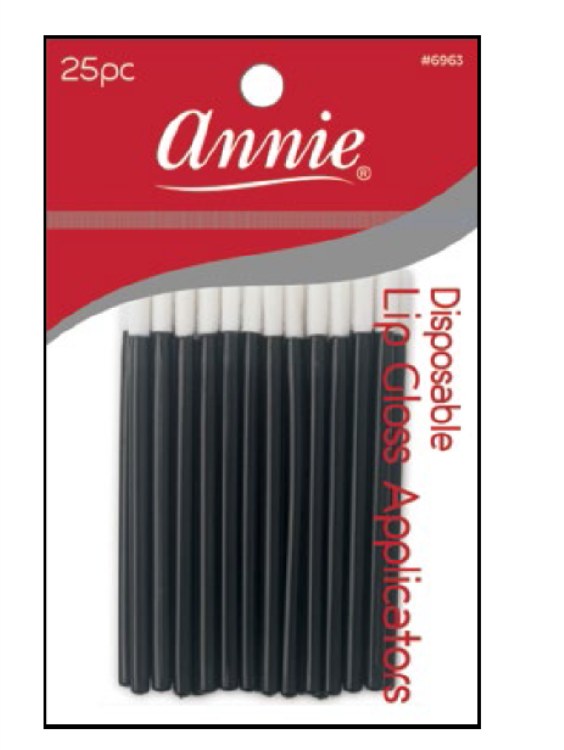
For professional-level makeup hygiene, check out our collection of disposable beauty applicators, for example, Annie Lip Gloss Applicators Disposable, to ensure every application is 100% sterile.
#5. Specific Product Safety - Mascara and Liquids
Some products are more prone to bacterial growth than others due to their water content and application method.
Mascara - The 3-Month Rule
Mascara is the most dangerous item in your bag if not handled correctly.
-
Don't Pump the Wand - Pumping forces air and bacteria into the tube, drying out the formula and increasing contamination risks. Instead, swirl the wand inside.
-
Replace Regularly - Replace your mascara every 3 months, regardless of how much is left. The dark, wet environment is the perfect petri dish for bacteria.
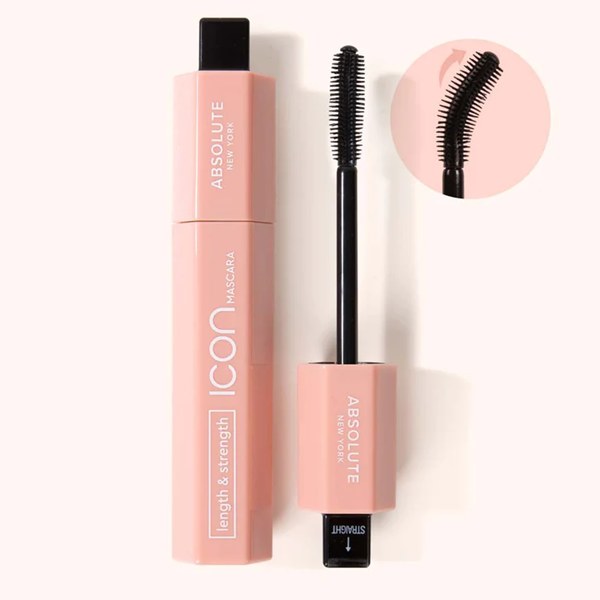
For the best volume, get Absolute Icon Vegan Mascara Length & Strength at Beauty Depot Online.
Liquids and Glosses
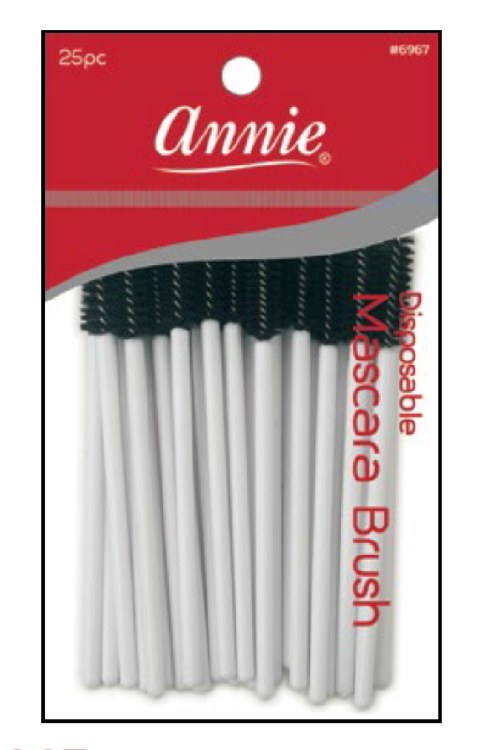
For lip glosses with built-in wands, consider using disposable mascara spoolies or lip applicators if you are currently experiencing a breakout or skin irritation. This prevents the cycle of infection where you keep reapplying bacteria to a healing area. Try this pack of Annie Mascara Brush - Disposable today.
#6. Storage and Expiration - The Environment Matters
Where you store your makeup is just as important as how you apply it.
-
Avoid the Bathroom - It’s convenient, but the humidity from your shower creates a tropical climate for bacteria. Store your makeup in a cool, dry place, such as a bedroom vanity.
-
Watch the Expiration Dates - Look for the Period After Opening (PAO) symbol, a tiny icon of an open jar with a number (e.g., 6M, 12M).
-
Know the Signs of Spoilage - If a product changes odor (smells like vinegar or old oil), changes color, or the texture separates and won't mix back together, it's time to let it go.
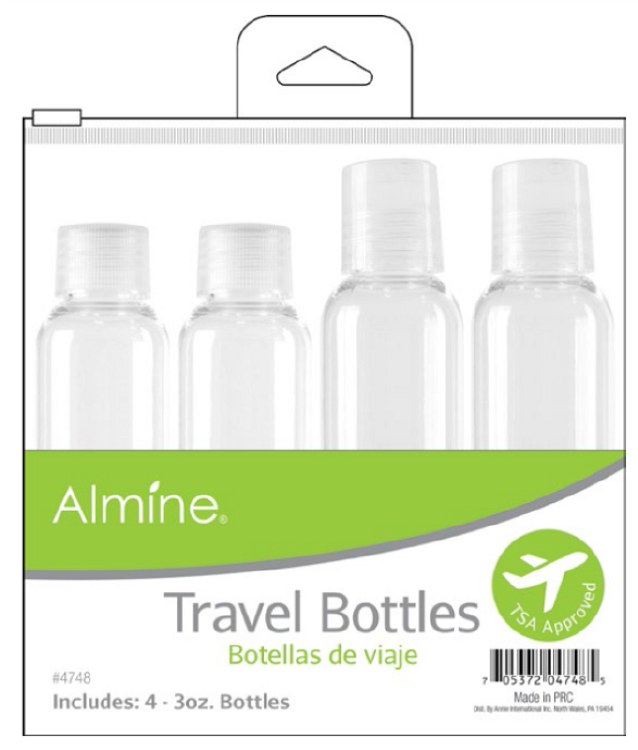
When it comes to storage, most makeup and cosmetics get spoiled during travel. So, it is best to use makeup travel kits like Almine Travel Bottles in Pouch.
For Your Quick Consideration
|
Product Type |
Average Shelf Life |
|
Mascara & Liquid Eyeliner |
3 Months |
|
Liquid Foundation |
6 - 12 Months |
|
Cream Blushes/Shadows |
12 Months |
|
Powder Products |
24 Months |
|
Lipsticks |
12 - 24 Months |
#7. Advanced Tips for Pro-Level Hygiene
To truly master makeup hygiene, we need to look beyond just washing brushes. Here are some advanced strategies used by industry professionals:
-
Decanting - If you buy bulk products, decant them into smaller, airtight pump bottles. Pumps are much more hygienic than open-mouth jars.
-
UV Sterilizers - Some modern beauty enthusiasts are now using UV-C LED sterilization boxes (similar to those used for baby pacifiers) to sanitize dry tools and compacts.
-
Check the CDC Guidelines - For those with sensitive skin or compromised immune systems, the CDC's guidance on hygiene offers excellent foundational tips on preventing the spread of germs that can be applied to your beauty routine.
-
Product Formulation - When shopping, look for products in airless pump packaging. This design prevents air and contaminants from entering the bottle at all. You can find many such innovative designs at Beauty Depot Online.
For more information on the chemistry of cosmetics and why certain preservatives are used to keep products safe, you can visit the FDA’s Cosmetics Safety Q&A.
Frequently Asked Questions
1. Can I use 100% acetone or rubbing alcohol to sanitize my makeup?
While it’s tempting to use the strongest disinfectant available, you should stick to 70% isopropyl alcohol. 100% alcohol evaporates too quickly to effectively kill all bacteria, and acetone is a harsh solvent that will likely dissolve the binders in your powders, ruining the texture of your eyeshadows and blushes. The 30% water content in a 70% solution allows it to penetrate the cell walls of bacteria more effectively.
2. How do I know if my makeup has been contaminated?
The most common signs to prevent contamination in cosmetics from spreading to your skin include a change in smell (often a sour or waxy odor), visible mold spots, or a change in consistency (like a liquid foundation becoming gritty or oily). Additionally, if you develop an unexpected breakout or an eye infection immediately after use, it is a strong indicator that the product is compromised.
3. Is it safe to use clean or preservative-free beauty products longer?
Actually, clean beauty products often have a shorter shelf life. Because they frequently lack traditional preservatives like parabens, they are more susceptible to bacterial and fungal growth. If you prefer preservative-free items, you must be even more diligent with beauty product hygiene, storing them in a cool environment and strictly avoiding finger-dipping.
4. What is the best way to clean a beauty sponge without tearing it?
To maintain makeup hygiene without damaging your tools, soak the sponge in warm, soapy water for five minutes before scrubbing. Use the massage technique, gently squeezing the sponge in the palm of your hand, rather than picking at it with your fingernails. Rinse until the water runs completely clear, and never store it in a closed bag while damp.
5. Can I revive dried-out mascara with eye drops or water?
Absolutely not. Adding water or eye drops to a mascara tube introduces new moisture and bacteria into a dark, enclosed space, significantly increasing the risk of eye infections. If your mascara is dry or has reached the three-month mark, it is safer to discard it and purchase a new one to ensure proper makeup hygiene.
Conclusion
Practicing good makeup hygiene isn't about being paranoid; it's about being a conscious consumer and protecting your health. By implementing these simple steps, washing your brushes weekly, using spatulas, and respecting expiration dates, you ensure that your beauty routine remains a source of confidence rather than a source of irritation.
A clean kit leads to a clear face. Start your hygiene overhaul today, and your skin will thank you!