
Storing Beauty Products Properly - How To Store Beauty Products To Maximize Every Drop
Learn the best ways to preserve your cosmetics and keep active ingredients fresh and safe.
You’ve spent time researching the perfect ingredients, hunted down the holy-grail foundation, and invested a significant portion of your paycheck into a skincare routine that promises the glow of a lifetime. But here is the cold, hard truth - how you store beauty products is just as important as the ingredients inside them.
Without proper care, your $100 Vitamin C serum can turn into an oxidized, ineffective liquid in weeks. That luxury cream? It can become a breeding ground for bacteria if left in a humid environment. At Beauty Depot Online, we are going to dive deep into beauty storage tips that move beyond aesthetics and focus on chemical stability, hygiene, and financial savvy.
Preserve Cosmetics - Why Beauty Products Fail Or Expire Too Soon?
Before we discuss where to put your products, we must understand what we are fighting against. Cosmetics are delicate chemical emulsions. When you preserve cosmetics, you are essentially protecting a fragile balance of water, oils, and active compounds.
1. Thermal Energy (Heat)
Heat is a catalyst for chemical reactions. High temperatures can cause emulsions (the blend of oil and water) to break, leading to separation. It also accelerates the degradation of preservatives, meaning your product will spoil much faster than the label suggests.
2. The Humidity Trap
Most people store their products in the bathroom, which is arguably the worst place for them. The Steam Cycle, the rapid rise and fall of humidity and temperature during a shower, creates a greenhouse effect. This moisture can seep into airtight containers, leading to mold growth in powders and creams.
3. Photodegradation (UV Light)
Sunlight is high-energy radiation. It can break down the molecular bonds of active ingredients. Retinol, for example, is notoriously light-sensitive. If your Retinol or Vitamin C is in a clear bottle sitting on a sunny windowsill, it is likely losing its potency every single day.
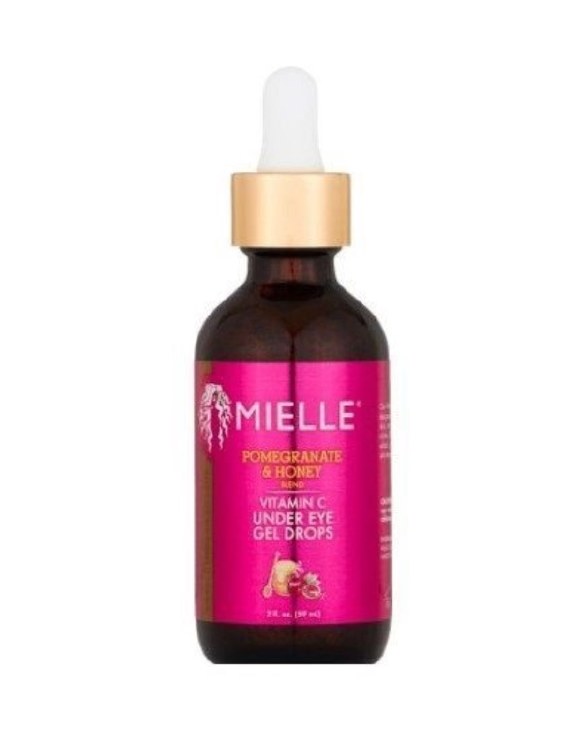
Try the new Mielle Poegranate & Honey Blend Vitamin C Under Eye Gel Drops.
Location To Store Beauty Products - Where to (and Not to) Store Cosmetics
The golden rule to store beauty products effectively is the Cellar Philosophy - keep it cool, dark, and dry.
The Bathroom Ban
While it is convenient to reach for your moisturizer right after a shower, the bathroom's fluctuating environment is hostile to skincare. If you must keep products in the bathroom, ensure they are tucked away in a closed cabinet, never on the counter near the sink or shower.
The Rise of the Skincare Fridge
You’ve likely seen the tiny, colorful refrigerators on social media. Are they necessary?
-
For Actives - Yes. Products like Vitamin C, Benzoyl Peroxide, and certain organic formulas benefit from the stable, low temperature of a fridge.
-
For Texture - Yes. Eye creams and sheet masks provide better de-puffing results when cold.
-
The Caveat - Never store oil-based serums or clay masks in a fridge; the cold can cause oils to solidify and clay to crack.
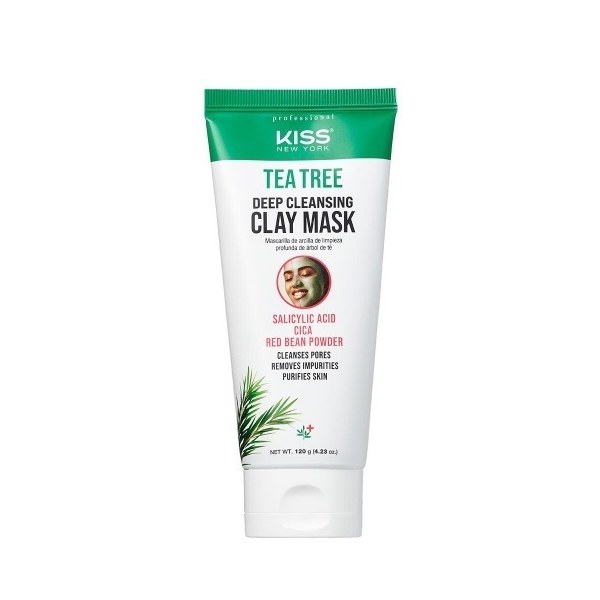
Get your hands on the Ruby Kisses Tea Tree Deep Cleansing Clay Mask.
General Best Practices for Beauty Product Longevity
To truly preserve cosmetics, you need to adopt a lab mindset. Contamination is the primary reason products expire before their time.
The No-Touch Rule
Every time you dip your finger into a jar of cream, you introduce thousands of microbes into the formula. Even with clean hands, your skin has a natural microbiome that can overwhelm a product's preservative system.
-
The Solution - Use a small stainless steel or plastic cosmetic spatula.
-
Pro Tip - Clean your spatula with 70% isopropyl alcohol after every single use.
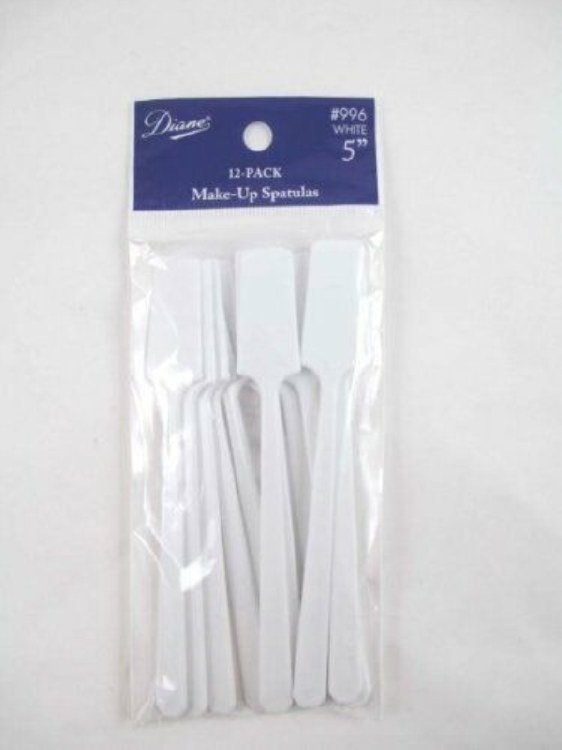
Or use the Diane Make-up Spatulas 12-Pack disposable spatulas.
The Seal Check
It sounds simple, but many products fail because of oxygenation. When air enters a bottle, it dries out the formula and causes oils to go rancid. Always ensure lids are screwed on straight and tight. If a pump starts to get crusty, clean the nozzle rather than leaving it exposed.
Sanitization Stations
Your tools are an extension of your products. Storing a dirty beauty sponge in a dark drawer is a recipe for a fungal breakout.
-
Sponges - Must be dried in an open-air environment with plenty of circulation before being stored.
-
Brushes - Should be washed weekly to prevent old oils from being transferred back into your powder pans.
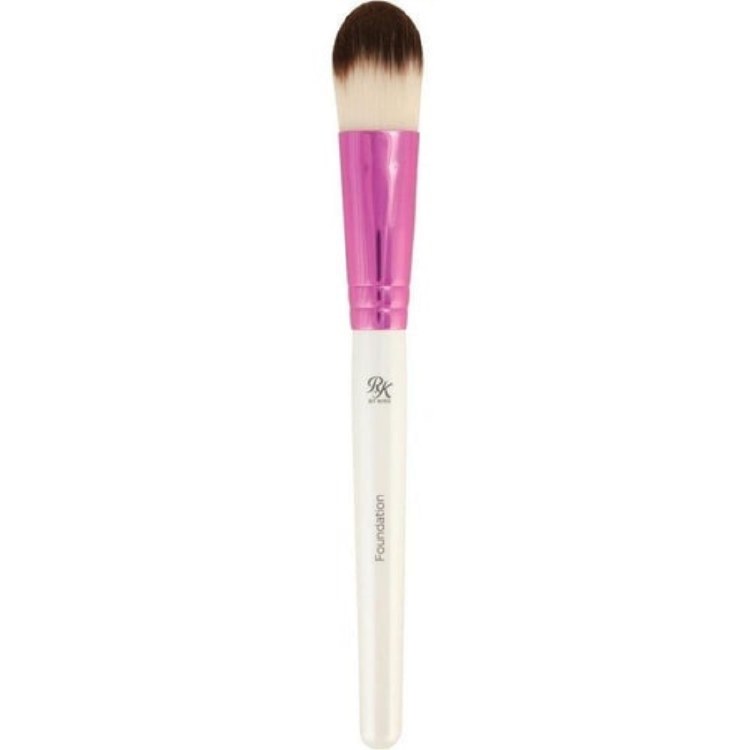
Get this Foundation Brush by Ruby Kisses today.
Categorized Beauty Storage Guide For Product-Specific Needs
Not all products are created equal. Different formulas require different microclimates to stay fresh.
1. Serums and Oils
Oils are prone to oxidation, which is the process of oxygen breaking down the fatty acid chains. You’ll know an oil has gone bad when it develops a sharp, sour, or crayon-like smell.
-
Storage - Keep these in a drawer. If they come in clear glass, wrap the bottle in foil or move them to a dark cupboard immediately.
2. Powders (Blush, Shadow, Setting)
Powders are generally the longest-lasting items in your kit because they lack water (which bacteria need to grow). However, they are susceptible to Hard Pan. This is when skin oils from your brush transfer to the powder, creating a hardened, shiny layer that won't pick up pigment.
-
Storage - Keep in a dry environment. If hard pan occurs, use a piece of surgical tape to gently lift the top layer off the powder.
3. Lipsticks and Balms
Lipsticks are a blend of waxes and oils. In heat, these ingredients can separate, causing sweating (tiny beads of moisture on the surface).
-
Storage - Keep away from windows and handbags left in hot cars. If a lipstick melts, you can often save it by placing it in the fridge for an hour to re-solidify the wax structure.
4. Organic and Clean Beauty
Because these products often swap traditional preservatives (like parabens) for weaker natural alternatives, they are highly volatile.
-
Storage - These are the primary candidates for a skincare fridge. Treat them like fresh produce, because, chemically, that’s exactly what they are.
Decoding the Beauty Labels Besides the Expiration Date
Understanding beauty storage tips requires you to speak the language of the packaging.
The PAO Symbol
Look for the icon that looks like a small open jar. Inside, you will see a number followed by an M (e.g., 6M, 12M). This is the Period After Opening.
-
6M - The product is safe for six months after the seal is broken.
-
Tip - Use a permanent marker to write the date you opened the product on the bottom of the container. We often think we’ll remember, but we never do.
The Batch Code
If there is no expiration date, look for a stamped code (usually 3-5 digits). You can use websites like CheckFresh to input this code and see exactly when the product was manufactured. If you buy a new product that was manufactured 4 years ago, its shelf life is already compromised.
Signs of Beauty Products Spoilage - When to Let Go
Even with perfect storage, all good things must come to an end. Using expired products isn't just ineffective; it can lead to chemical burns, breakouts, and eye infections.
-
The Sniff Test - Any off odors are an immediate deal-breaker.
-
The Texture Shift - If your foundation has separated into a clear liquid and a thick sludge, and shaking it doesn't fix it, the emulsifiers have failed.
-
Color Changes - If your white cream turns yellow, or your clear serum turns orange, oxidation has occurred.
-
Performance - If a mascara starts to clump or feel dry, do not add water or saliva. This introduces massive amounts of bacteria. Toss it.
Once you are done with your old products, shop our New Arrivals to replace your expired essentials.
Seasonal Storage Adjustments
Your storage strategy should change with the weather.
-
Summer Prep - As temperatures rise, move your daily products off the vanity if it’s near a window. Sunlight can magnify through glass and cook your creams.
-
Winter Care - Central heating is incredibly drying. Ensure your liquid products aren't stored directly above a radiator or heating vent, as this will evaporate the water content and turn your creams into a thick, unusable paste.
The Environmental Impact of Proper Storage
When we talk about how to store beauty products, we are also talking about sustainability. The beauty industry produces billions of units of plastic packaging every year. By extending the life of your products through proper storage:
-
You reduce personal waste.
-
You lower the demand for overproduction.
-
You ensure that high-quality ingredients don't end up in a landfill prematurely.
Frequently Asked Questions
Can I store my skincare products in the bathroom?
It is generally recommended to avoid the bathroom because humidity from showers can promote mold growth and cause formulas to break down.
How do I know if a beauty product has expired?
Look for changes in odor, color, or texture, such as separation or thickening, which indicate the product should be discarded to avoid skin irritation.
What is the best way to prevent product contamination?
Using a small cosmetic spatula or pump instead of your fingers is crucial to minimizing bacterial growth and keeping your products clean.
Why should I store serums and oils in a dark place?
Sunlight causes active ingredients to degrade and can lead to oxidation, so storing these items in a cool cabinet or vanity drawer helps maintain their efficacy.
What does the symbol with an open jar and a number mean?
This is the Period After Opening (PAO) symbol, which indicates the number of months a product remains safe and effective to use after it has been opened.
Conclusion
Properly maintained products can be used closer to their maximum lifespan, ensuring you get the full value of every dollar spent. By avoiding the bathroom, keeping items cool and dark, and practicing strict hygiene with spatulas and clean brushes, you aren't just cleaning up; you are preserving the integrity of your skincare and makeup.
Make it a habit to audit your vanity every three months. Check your PAO dates, sniff your oils, and ensure your lids are tight. Your skin (and your wallet) will thank you. For a better understanding, the Environmental Working Group (EWG) explains why consumers should avoid cosmetic preservatives linked to hormone disruption and cancer.
Quick Reference Storage Table
|
Product Type |
Ideal Location |
Shelf Life (Average) |
Key Tip |
|
Mascara |
Dark Drawer |
3 Months |
Never pump the wand; it pushes air in. |
|
Vitamin C |
Fridge |
3-6 Months |
Keep in amber glass or opaque bottles. |
|
Powders |
Dry Cabinet |
24 Months |
Use tape to remove hard pan layers. |
|
Lipstick |
Cool Vanity |
12-18 Months |
Discard if it smells like old wax/crayons. |
|
Organic Cream |
Fridge |
3-4 Months |
Use a spatula; avoid all finger contact. |