
Active Ingredients Skincare! What Makes Products Work
Nowadays, influencers use the term active for skincare a lot. But what truly differentiates a luxury moisturizer that feels nice from a high-performance serum that actually transforms your complexion?
The secret lies in the active ingredients in skincare. These are the scientifically backed, hero components formulated to directly target specific skin concerns, such as acne, aging, or pigmentation, and cause a physiological change in the skin.
While inactive ingredients (emollients, thickeners, and preservatives) provide the base and stability, skincare actives perform the heavy lifting to improve skin structure and function.
What Makes Active Ingredients Work?
Simply having a hero ingredient on the label isn't enough. For a product to be considered part of an effective beauty ingredients routine, it must navigate several biochemical hurdles.
Cellular Action & Specificity
Actives are selected for their proven ability to alter skin function at a cellular level. This is about stimulating collagen synthesis, accelerating cell turnover, or inhibiting the enzymes responsible for melanin production.
Effective Delivery Systems
The skin’s primary job is to keep things out. The formulation must allow the active ingredient to penetrate the protective outer layer, known as the stratum corneum. Technologies such as encapsulation (liposomes) help deliver sensitive ingredients deeper into the dermis.
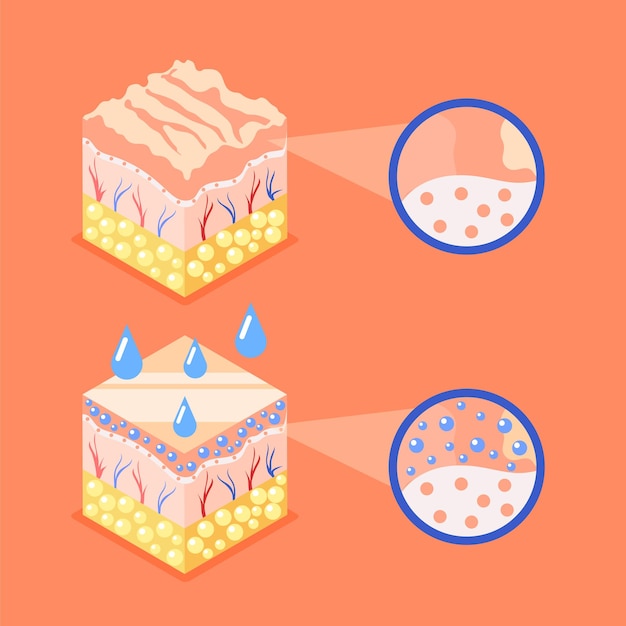
Proper pH Levels
Many activities are pH-dependent. If the environment is too alkaline or too acidic, the ingredient may become inert or cause extreme irritation.
-
Vitamin C (L-ascorbic acid) - Requires a low pH (around 3.5) to penetrate.
-
Niacinamide - Performs best at a neutral pH (around 5.0–7.0).
Stability and Concentration
High-performance ingredients like Retinol and Vitamin C are notoriously fussy. They oxidize when exposed to light and air, rendering them useless. Furthermore, concentration matters. An active must be included at a clinically tested percentage, too little does nothing, while too much can damage the skin barrier.
Key Active Ingredients and Their Functions
To build a routine that yields results, you must understand the Big Players in the skincare world.
|
Active Ingredient |
Primary Function |
Best For |
|
Retinoids |
Cell turnover & Collagen boost |
Aging, Acne, Texture |
|
Vitamin C |
Antioxidant & Brightening |
Dullness, Dark spots |
|
Niacinamide |
Barrier repair & Oil control |
Pores, Redness, Acne |
|
Hyaluronic Acid |
Humectant (Hydration) |
Dehydration, Fine lines |
|
AHAs (Glycolic) |
Surface Exfoliation |
Sun damage, Rough skin |
|
BHAs (Salicylic) |
Deep Pore Cleansing |
Blackheads, Oily skin |
|
Ceramides |
Lipid replenishment |
Dryness, Sensitive skin |
The Power Players - A Deeper Dive
-
Retinoids (Vitamin A) - Often called the Gold Standard, they communicate with skin cells to behave like younger, healthier cells.
-
Vitamin C (Ascorbic Acid) - A potent antioxidant that neutralizes free radicals caused by UV exposure. For more on protecting your skin from environmental stressors, check out the Skin Cancer Foundation’s guide to antioxidants.
-
Beta Hydroxy Acids (BHAs) - Unlike AHAs, BHAs are oil-soluble. This allows them to dive into the pore to dissolve the glue holding sebum and dead skin together.
The Bioavailability Factor
New research suggests that it is about the ingredient’s synergy with the vehicle.
Many consumers believe that 100% pure ingredients are better. In reality, Isolated Actives vs. Formulated Actives is a major distinction. An active ingredient requires a chaperone. For example, adding Ferulic Acid to Vitamin C doesn't just add another antioxidant; it actually doubles the photoprotection and stabilizes the Vitamin C, making it significantly more effective than if used alone.
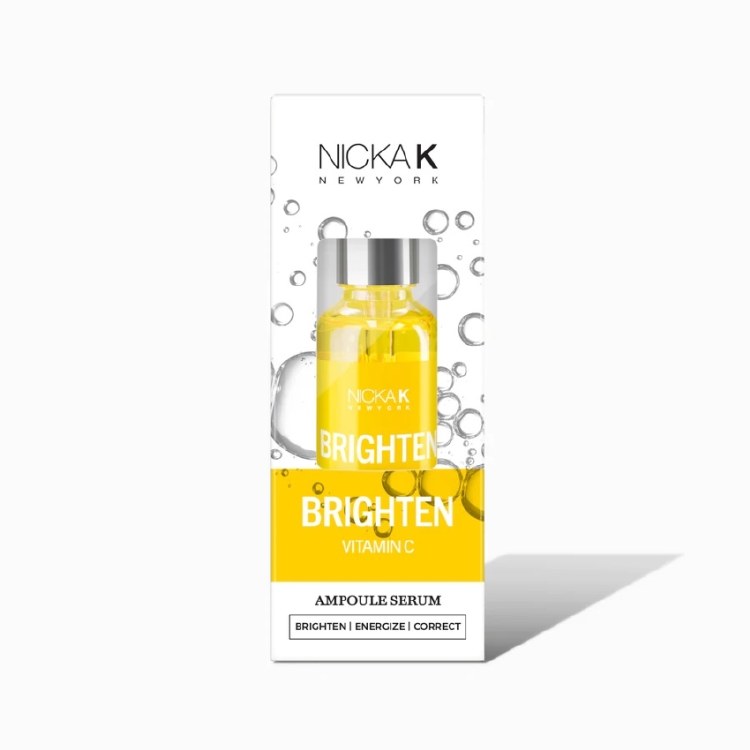
For best results, try Nicka K New York’s Vitamin C Serum.
Factors Affecting Effectiveness - Why Results Vary
You’ve bought the best products from our Serum Collection, but why aren't you seeing changes overnight?
Consistency vs. Intensity
Because actives work at a cellular level, they often take 4 to 12 weeks to show significant, long-term results. This matches the natural skin cell renewal cycle.
The Mixing Minefield
Not all active ingredients in skincare play well together.
-
Avoid Mixing - Retinol and Benzoyl Peroxide (they can cancel each other out and cause massive irritation).
-
Better Together - Hyaluronic Acid and Retinol (the HA helps mitigate the dryness often caused by Retinoids).
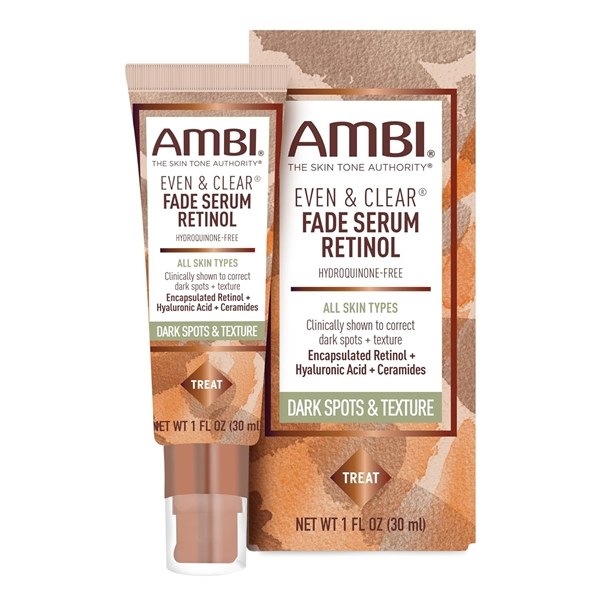
Beauty Depot Online is offering a 21% off on this Ambi Even & Clear Fade Retinol Serum. Check it out!
The Sunscreen Mandate
Many effective beauty ingredients, specifically Retinol and AHAs, increase photosensitivity. Using these without a daily SPF 30 or higher is counterproductive, as UV damage will undo the collagen-building work the actives are trying to perform. According to Northwestern Medicine, skipping sunscreen while using actives can lead to increased hyperpigmentation and retinoid burns.
If you are a beginner and are confused about what beauty products you need to buy, visit our Complete Beauty and Makeup Guide for Beginners.
Steps To Best Use Active Ingredients In Skincare
-
Identify Your Primary Concern - Don't try to fix everything at once. Pick one treatment active (like Retinol for aging) and build around it.
-
Patch Test - Always test high-concentration actives on your inner arm first.
-
Layer Correctively - Apply water-based actives (like Hyaluronic Acid) first, followed by oil-based or heavier creams to seal them in.
-
Listen to Your Barrier - If your skin feels tight, stinging, or looks shiny but is dry to the touch, you may be overusing your skincare actives.
For a curated selection of professional-grade formulas, visit our New Arrivals to find the latest in dermatological innovation.
Skincare Active Ingredient Pairing! Synergies vs. Conflicts
Understanding how to layer skincare actives is the difference between a glowing complexion and a compromised skin barrier. Below is a definitive guide on which effective beauty ingredients play well together and which should stay apart.
Power Couples (Synergistic Pairings)
These combinations enhance one another’s efficacy or mitigate potential side effects.
|
Pairing |
Why it Works |
Best For |
|
Vitamin C + Vitamin E + Ferulic Acid |
Vitamin E and Ferulic Acid stabilize Vitamin C and double its photoprotection. |
Brightening & Sun Protection |
|
Retinol + Hyaluronic Acid |
Hyaluronic Acid pulls moisture into the skin, offsetting the dryness/peeling caused by Retinol. |
Anti-aging with Hydration |
|
Niacinamide + Retinol |
Niacinamide strengthens the skin barrier, making the skin more resilient to Retinol irritation. |
Texture & Fine Lines |
|
Salicylic Acid (BHA) + Niacinamide |
BHA degunks the pores while Niacinamide shrinks their appearance and calms redness. |
Acne-prone & Oily Skin |
|
Ceramides + Cholesterol + Fatty Acids |
This Golden Ratio mimics the skin's natural lipid bilayer to fix a broken barrier. |
Sensitive & Eczema-prone Skin |
The Proceed with Caution Pairings (Conflicts)
Mixing these can lead to chemical burns, extreme sensitivity, or simply deactivating the expensive products you just applied.
-
Retinol + AHAs/BHAs - Both are powerful exfoliants. Using them in the same routine often leads to over-exfoliation, characterized by a shiny, tight, and stinging sensation.
-
Pro Tip! Use your Acids in the morning (with SPF!) and your Retinol at night.
-
-
Vitamin C + Copper Peptides - Copper can oxidize Vitamin C, rendering both ingredients ineffective.
-
Benzoyl Peroxide + Retinol - In many traditional formulations, Benzoyl Peroxide can oxidize Retinol, making it useless. If you must use both for acne, use BP in the morning and Retinol at night.
-
Vitamin C (L-Ascorbic Acid) + Niacinamide - While this conflict is debated in modern chemistry, some users find that high concentrations of both can cause a temporary niacin flush (redness).
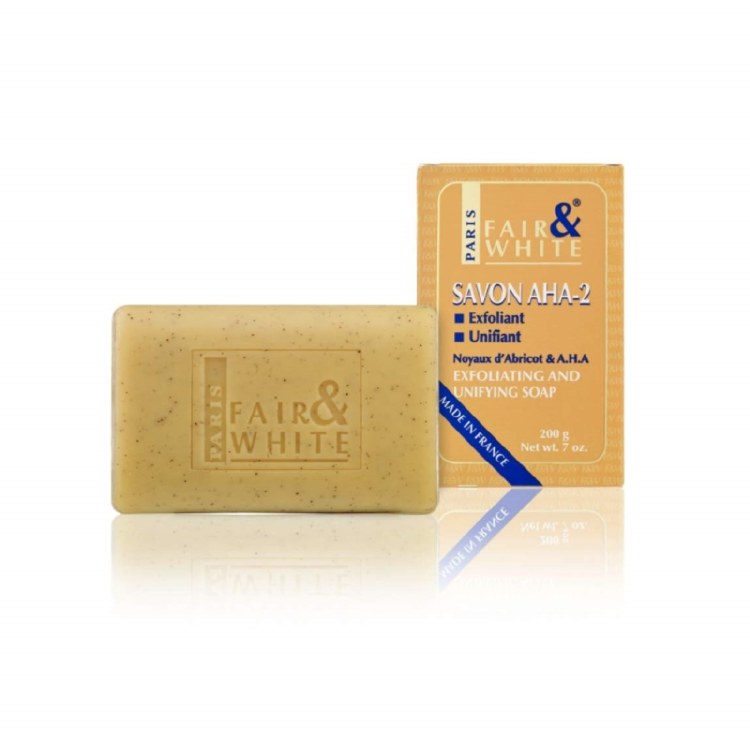
For better exfoliation, you can try Fair & White’s Original AHA Exfoliating Soap
Advanced Information Gain - The Role of Molecular Weight
One often-overlooked factor in active ingredients skincare is molecular weight. This determines how deep an ingredient can actually go.
-
High Molecular Weight - Ingredients like standard Hyaluronic Acid stay on the surface to create a moisture seal (film-forming).
-
Low Molecular Weight - Smaller molecules can penetrate the epidermis. This is why Multi-molecular Hyaluronic Acid is a superior, effective beauty ingredient; it hydrates both the surface and the deeper layers.
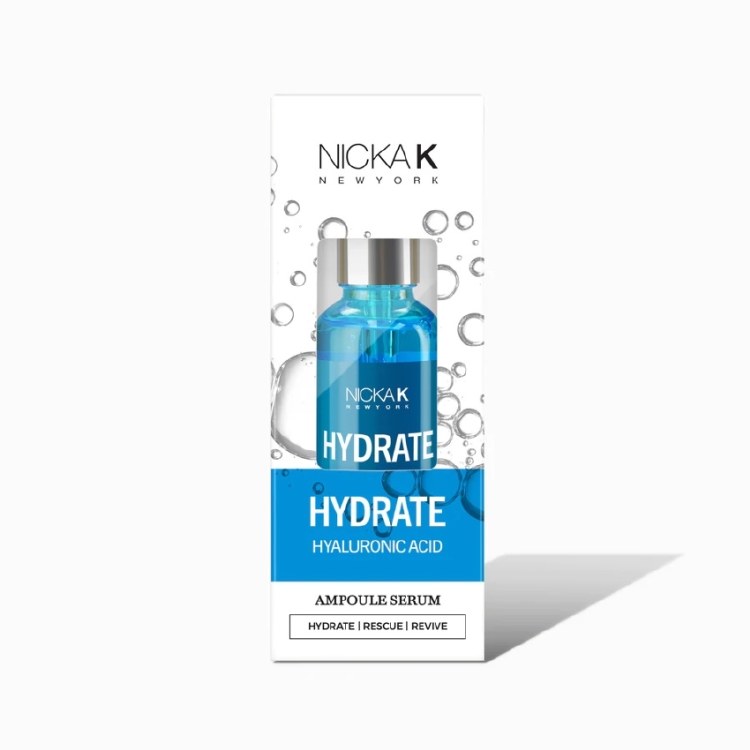
Since Hyaluronic Acid is a staple for every skincare routine, try this new Nicka K New York’s Hydrate Hyaluronic Acid Serum only from Beauty Depot Online.
Why Formulation Delivery Vehicles Matter
A high percentage of activity is meaningless if the vehicle (the inactive base) isn't designed correctly.
-
Liposomal Encapsulation - This wraps the active (like Retinol) in a fat bubble, allowing it to bypass the skin's oil-loving barrier without causing surface irritation.
-
Solubility - Some actives are oil-soluble (Salicylic Acid), while others are water-soluble (Vitamin C). If you apply an oil-based serum before a water-based one, the water-based active will never reach your skin.
Remember That! Always apply your products from the thinnest to the thickest consistency. Water-based serums go on first, followed by oils, and finally, occlusive moisturizers.
Frequently Asked Questions (FAQ)
1. How long does it actually take to see results from skincare actives?
While hydration from ingredients like Hyaluronic Acid is instant, most treatment actives work on a cellular cycle. Because the skin typically regenerates every 28 to 40 days, you should expect to see initial changes in texture or tone after 4 weeks, with significant clinical results (like reduced fine lines or faded hyperpigmentation) appearing after 12 weeks of consistent use.
2. Can I use Vitamin C and Retinol in the same routine?
Yes, but ideally not at the same time. Vitamin C is best used in the morning because its antioxidant properties protect against daytime UV damage. Retinol is best for nighttime use because it is light-sensitive and works with the skin’s natural repair cycle. Using them together can also cause pH conflicts that lead to irritation.
3. What is Skin Purging, and is it different from a breakout?
Purging occurs when actives like AHAs, BHAs, or Retinoids accelerate cell turnover, pushing existing clogs to the surface faster. A purge typically happens in areas where you normally break out and clears up within 4–6 weeks. A standard breakout (reaction) usually occurs in new areas and is often accompanied by redness, itching, or a rash.
4. Does a higher percentage (concentration) always mean a better product?
Not necessarily. While a higher concentration of skincare actives can be more potent, it also significantly increases the risk of Contact Dermatitis or a compromised skin barrier. For example, 1% Retinol is considered very high-strength and may be too much for beginners; starting at 0.25% allows the skin to build tolerance without the painful peeling.
For more info on ingredients in your skincare products, read our Glossary on Beauty Product Ingredients.
5. How do I know if my active ingredients have gone bad or oxidized?
Stability is the biggest challenge for effective beauty ingredients.
-
Vitamin C - If your clear or pale yellow serum turns dark orange or brown, it has oxidized and may actually cause free radical damage.
-
Retinol - If the texture separates or the smell becomes off, the molecules have likely broken down. Always store these in a cool, dark place.
Conclusion
Building a routine around skincare actives is an investment in your skin’s long-term health. By focusing on stability, pH balance, and proper pairings, you ensure that every drop of product is actually working at a cellular level.
For more professional insights on maintaining your results, visit the American Academy of Dermatology for clinical skincare advice. For more