
Seasonal Beauty Routines - How to Adapt Your Skincare Year-Round
Have you ever noticed that your favorite holy grail moisturizer suddenly feels greasy in July, or that your reliable cleanser leaves your face feeling tight and parched in January?
You aren't imagining it. Your skin is a dynamic organ that reacts to the world around it. Using the same products year-round is like wearing a wool coat in a heatwave. It’s not that the coat is bad; it’s just the wrong tool for the environment.
Understanding a seasonal beauty routine is about listening to your skin’s changing needs and pivoting before a breakout or dry patch occurs. At Beauty Depot Online, we have simplified seasonal beauty and skincare routines for you, so give them a read.
The 3-Week Rule! Why Your Skin Changes
Before diving into specific products, it’s vital to understand the Three-Week Rule. Generally, skin requires 2-3 weeks to adjust to new products and environmental shifts. This is because the skin cell turnover cycle takes roughly 28 days. When the dew point drops in autumn, your skin doesn't instantly stop producing oil; it enters a state of flux.
When the humidity drops or the heat rises, your skin doesn’t flip a switch; it enters a state of flux. To avoid shocking your barrier, start your seasonal transitions before the weather reaches its extreme.
Understanding Humidity and the Acid Mantle
-
High Humidity (Summer) - Increases sebum (oil) production, which can lead to clogged pores and summer acne.
-
Low Humidity (Winter) - Triggers Trans-Epidermal Water Loss (TEWL), where moisture literally evaporates out of your skin into the dry air.
Summer Skincare - Protection, Breathability, and Oil Control
In the summer, the goal is to defend against high UV indices and manage increased sebum (oil) production caused by heat and humidity.
The Lightweight Swap
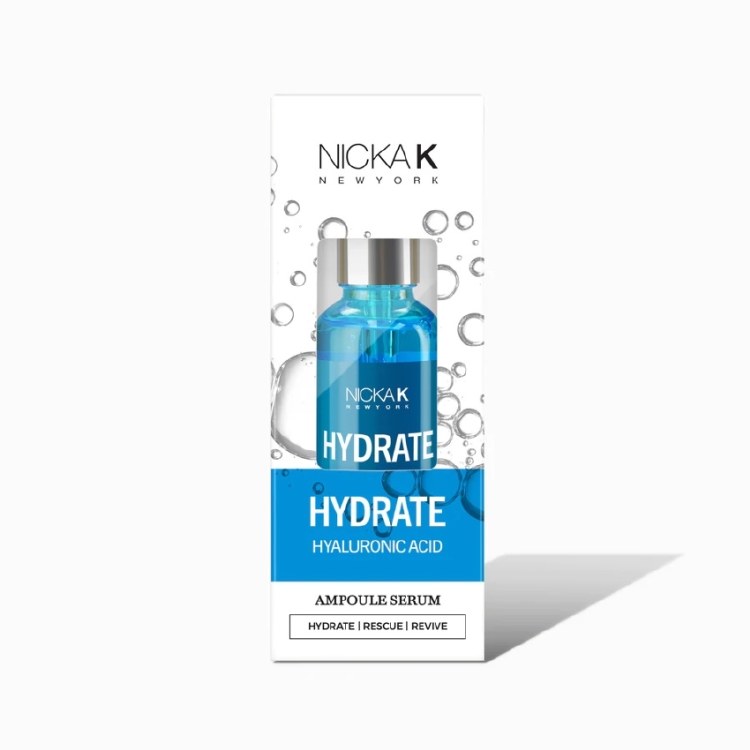
Transition from heavy occlusives to water-based formulas. A summer skincare routine should prioritize humectants like Hyaluronic Acid or Glycerin, which pull moisture into the skin without feeling greasy. Try this Nicka K New York’s Hydrate Hyaluronic Acid!
Look for non-comedogenic labels to ensure your pores stay clear during sweaty commutes. Include:
-
Gel-Based Moisturizers - These provide hydration via humectants like Hyaluronic Acid without the heavy oils.
-
Foaming Cleansers - Better at breaking down sweat, salt, and water-resistant SPF.
-
Antioxidant Power - Incorporate a Vitamin C serum every morning. Vitamin C acts as a secondary line of defense against free radical damage caused by UV rays.
Antioxidant Defense (Vitamin C)
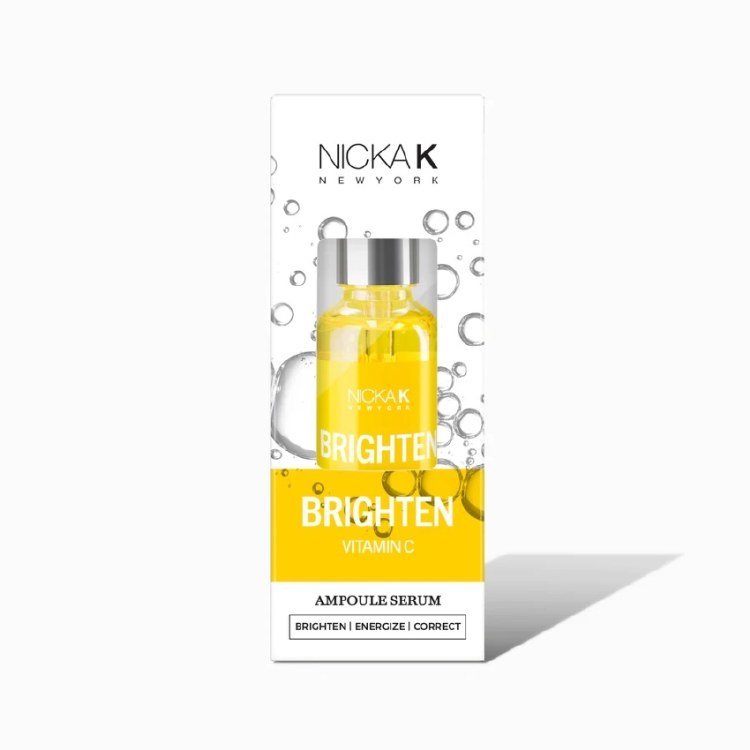
While SPF is your shield, Vitamin C is your backup. Summer brings higher levels of free radical damage from UV rays. Applying a Vitamin C serum under your sunscreen creates a synergistic effect, brightening the skin and neutralizing oxidative stress. For this, Nicka K New York’s Brighten Vitamin C serum is the best addition!
Advanced Sun Protection
Daily sunscreen is mandatory, but in summer, you should switch to a mattifying formula. If you are outdoors, remember the two-finger rule for the face and reapply every two hours.
Don't forget your scalp and ears, areas often overlooked during the summer months.
The Summer SPF Strategy
While SPF is non-negotiable year-round, summer requires a mattifying formula. If you’re active outdoors, the two-finger rule for the face is essential, and reapplication every two hours is the only way to prevent premature aging.
Winter Beauty - Barrier Repair and Deep Hydration
When the dew point drops and the indoor heating turns on, moisture is literally sucked out of your skin through a process called Trans-Epidermal Water Loss (TEWL).
Fortifying the Barrier
Your winter beauty routine is all about The Seal.
-
Creamy Cleansers - Swap your foaming wash for a cleansing balm or milk. You want to clean the skin without stripping the delicate lipid barrier.
-
Ceramides and Fatty Acids - Look for ingredients that act as biological glue to repair micro-cracks in the skin caused by windburn and dry air.
-
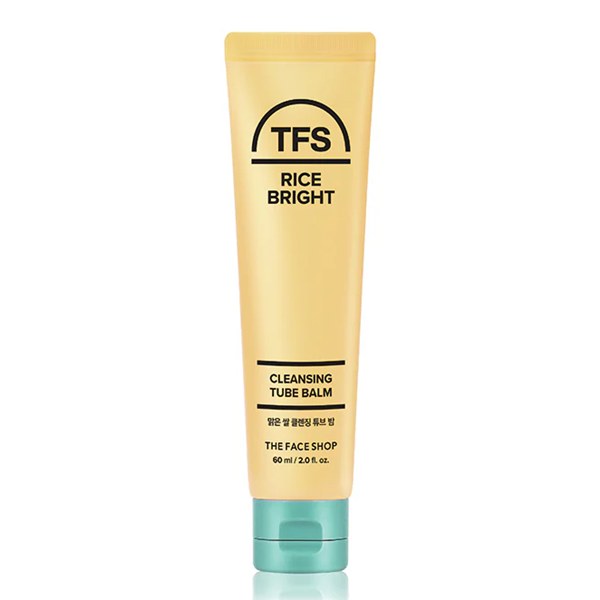
Nighttime Slugging - For very dry types, applying a thin layer of an occlusive (like a facial oil or petroleum-based balm) over your moisturizer at night can lock in hydration. We often recommend this TFS Rice Bright Cleansing Balm to our readers for smooth skin!
The Cleansing Shift
If your skin feels tight after washing in the winter, your cleanser is too harsh. Swap foaming or salicylic acid-based cleansers for cleansing balms or milk-based formulas. These remove impurities without stripping the natural oils your skin desperately needs in December.
The Humidifier Hack
Most people focus only on topicals, but the environment matters more. Using a humidifier in your bedroom at night can increase ambient humidity by 30-40%, significantly reducing the tight feeling of winter skin.
The Transitional Seasons - Spring and Autumn
Spring and Autumn are the bridge months. This is when skin cycling becomes your best friend.
-
Spring (The Deep Clean) - After a long winter, your skin may look dull. Increase exfoliation frequency (using AHAs or BHAs) to slough off dead skin cells, but ensure your SPF 30+ is applied daily as the sun’s intensity increases.
-
Autumn (The Great Recovery) - Focus on soothing ingredients like Niacinamide or Panthenol to heal any sun damage from the summer and prepare the skin for the coming cold.
Adaptation by Skin Type
|
Skin Type |
Summer Strategy |
Winter Strategy |
|
Oily/Acne-Prone |
Gel-based, non-comedogenic formulas. |
Lightweight lotions; avoid heavy oils. |
|
Dry |
Light creams & Hyaluronic acid. |
Rich creams, facial oils, & slugging. |
|
Sensitive |
Mineral-based SPF to avoid heat rash. |
Fragrance-free only; focus on Ceramides. |
Year-Round Best Practices
Regardless of the thermometer, these three rules are the foundation of healthy skin:
-
Non-Negotiable SPF - UV rays penetrate clouds and glass. Use a mineral-based SPF 30 or higher every single day.
-
Hydrate from the Inside - Eat water-rich foods (cucumbers in summer, citrus in winter) to support the skin's moisture from within.
-
Active Ingredient Management - During the coldest, driest months, reduce the frequency of harsh retinols or strong acids to prevent irritation.
Year-Round Best Skincare Practices Beyond The Face
-
Body Care - We often neglect the skin from the neck down. Use urea-based lotions in the winter to combat winter itch and switch to light body mists in the summer.
-
Skin Cycling - Don't use your strongest Retinoids every night during a seasonal transition. Use the Skin Cycling method (Exfoliation night, Retinoid night, Recovery night, Recovery night) to allow the barrier to heal.
-
The Blue Light Factor - During winter, we spend more time in front of screens. Look for digital defense ingredients like Iron Oxides (found in many tinted sunscreens) to protect against HEV light.
Summary of Seasonal Shifts
-
Summer - Lighten the texture, heavy up the antioxidants, and stay matte.
-
Winter - Think slugging (adding an occlusive layer), use creamy cleansers, and focus on barrier health.
-
Transitional - Take 2-3 weeks to phase in new products to avoid shocking the skin.
For more professional-grade products tailored to every season, explore the curated collections at Beauty Depot Online.
7-Day Seasonal Beauty Transition Checklist
-
Day 1 - Evaluate current skin state (oiliness vs. dryness)
-
Day 2 - Swap to a seasonal cleanser (Gel for Summer / Cream for Winter)
-
Day 3 - Adjust moisturizer weight (Water-based for Summer / Ceramide-rich for Winter)
-
Day 4 - Check SPF expiry and formula (Mattifying vs. Hydrating)
-
Day 5 - Regulate exfoliation frequency (Increase for Spring / Decrease for Autumn)
-
Day 6 - Focus on body care (Light lotions vs. Heavy butters)
-
Day 7 - Finalize routine and set a 3-week observation period
Conclusion
Remember, your skin is a living shield. When the environment gets tough, your routine should get smart. Whether you are leaning into a protective summer skincare routine or a restorative winter beauty routine, the goal remains the same: a healthy, resilient skin barrier that glows regardless of the temperature outside.
Don't wait for your skin to show signs of distress. Start your transition early, stay consistent with your SPF, and give your cells the specific nutrients they need to thrive in the current climate.