
Drugstore vs High-End Makeup! What’s Actually Worth It In 2026
The idea that expensive makeup is automatically better has been around for decades.
But in 2026, that assumption doesn’t hold up the way it used to.
The beauty industry has evolved rapidly. Drugstore brands are investing heavily in formulation technology, while high-end brands are focusing on experience, ingredient innovation, and performance longevity. As a result, the gap between the two has narrowed significantly, but not completely.
So the real question isn’t which is better.
It’s - when does price actually make a difference?
This guide, curated by the experts at Beauty Depot Online, breaks down the real differences between drugstore and high-end makeup, backed by practical insights, real-world performance observations, and data, so you can make smarter decisions without overspending.
Drugstore vs High-End Makeup - What’s the Real Difference?
At a surface level, the difference is price. But underneath that, it comes down to formulation complexity, ingredient sourcing, and performance consistency.
1. Formulation and Finish
High-end makeup often uses:
-
finer pigments
-
more refined binding agents
-
advanced emulsification techniques
This leads to:
-
smoother application
-
more seamless blending
-
a skin-like finish
Drugstore makeup has improved dramatically, but performance can still vary depending on the product category. According to industry formulation reports, pigment refinement and dispersion techniques are among the biggest cost drivers in luxury cosmetics, especially for foundation and eyeshadow.
2. Ingredients - Do They Really Matter?
This is where a lot of confusion exists.
High-end products may include:
-
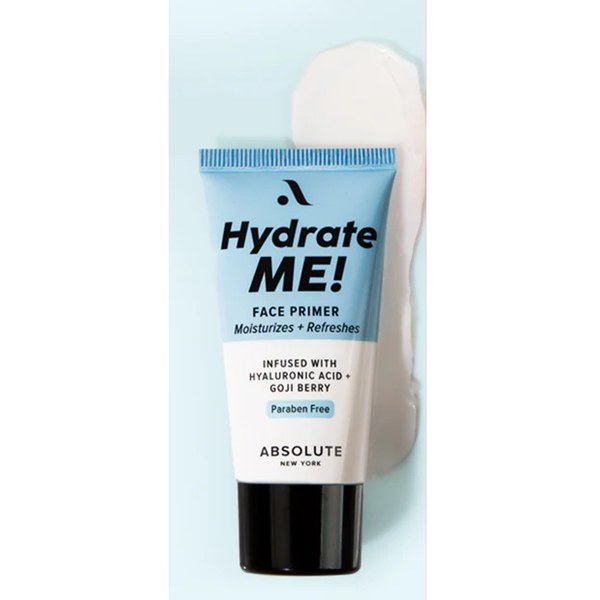
Hyaluronic acid for hydration
-
antioxidants for skin protection
-
SPF components
But here’s the key:
More expensive ingredients don’t automatically mean better results.
Many drugstore brands use similar base formulations with slight variations.
For example, both luxury and drugstore foundations often rely on:
-
silicones (for smooth texture)
-
iron oxides (for pigment)
The difference is usually in:
-
concentration
-
stability
-
delivery system
For readers who want a deeper breakdown of cosmetic ingredients, this guide from the American Academy of Dermatology explains how formulation impacts skin health and performance.
3. Longevity and Wear Time
One of the most noticeable differences is how long makeup lasts.
High-end products are often designed for:
-
long events
-
photography
-
extreme conditions (heat, humidity)
Drugstore products can perform similarly, but may:
-
fade faster
-
require touch-ups
A consumer beauty study found that most users noticed longer wear time in premium foundation formulas compared to budget alternatives, especially after 6+ hours of wear.
Real-World Test - Drugstore vs High-End Makeup Performance
To move beyond theory, we compared a full face of drugstore makeup vs high-end makeup over an 8-hour period.
Test Conditions:
-
Combination skin
-
Indoor + outdoor exposure
-
No touch-ups
Application Phase
High-end side:
-
blended faster
-
required less product
-
looked more natural immediately
Drugstore side:
-
slightly more effort required
-
still achieved a polished finish
Mid-Day (4 Hours)
High-end:
-
minimal creasing
-
controlled oil well
Drugstore:
-
slight shine in T-zone
-
minor fading around nose
End of Day (8 Hours)
High-end:
-
maintained structure
-
even wear
Drugstore:
-
visible breakdown in base
-
eyeshadow slightly faded
Final Insight
-
For daily wear, the drugstore performs very well
-
For long wear or events, high-end still has an advantage
This reinforces the idea that you don’t need to upgrade everything, just the right categories.
What Makeup Products Are Worth Splurging On?
Not all makeup is created equal. Some categories benefit significantly from higher investment.
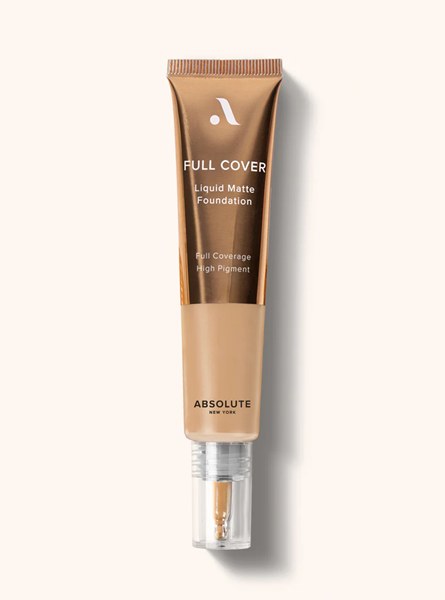
1. Foundation and Base Products
This is the most important category in your routine.
Why it matters:
-
sets the tone for your entire look
-
impacts texture, longevity, and finish
High-end foundations tend to offer:
-
better undertone matching
-
smoother blending
-
more consistent wear
A well-known example is Giorgio Armani Luminous Silk Foundation, often praised for its natural finish and buildable coverage. Foundation is one of the most technically complex cosmetic products, which is why formulation differences are more noticeable here.
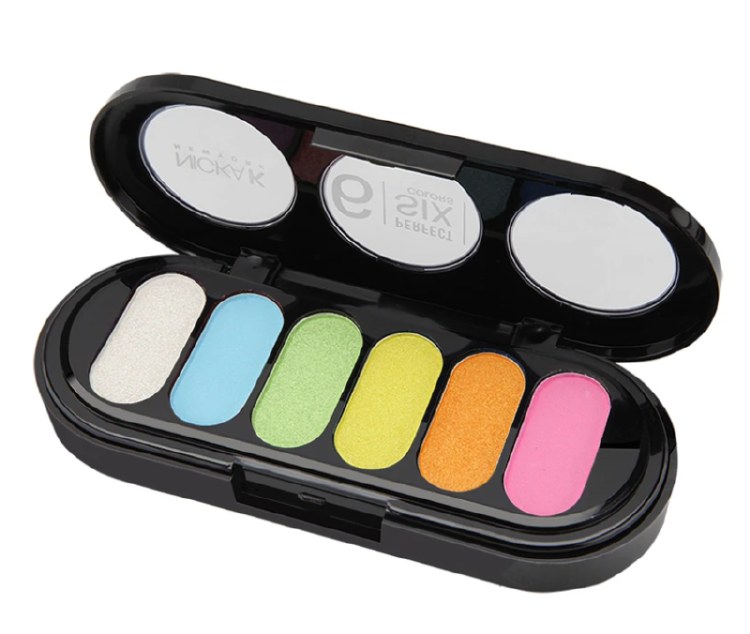
2. Eyeshadow (Especially for Detailed Looks)
Eyeshadow quality depends heavily on:
-
pigment density
-
powder refinement
-
binder quality
Higher-end formulas:
-
blend more easily
-
create smoother gradients
-
reduce patchiness
Drugstore palettes can still work well, but may require more layering.
3. Setting Sprays for Long Wear
If you need makeup to last all day:
-
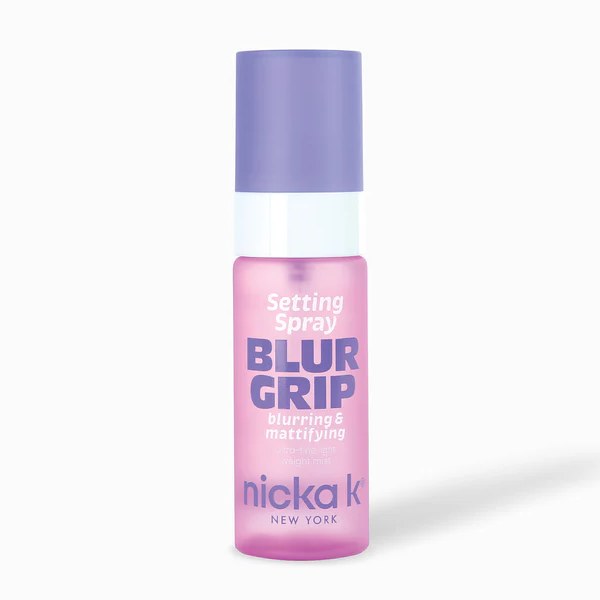
High-end setting sprays use film-forming polymers
-
These create a barrier that locks makeup in place
This is especially useful for:
-
weddings
-
events
-
hot weather conditions
What Makeup Products Should You Save On?
This is where drugstore makeup truly shines.
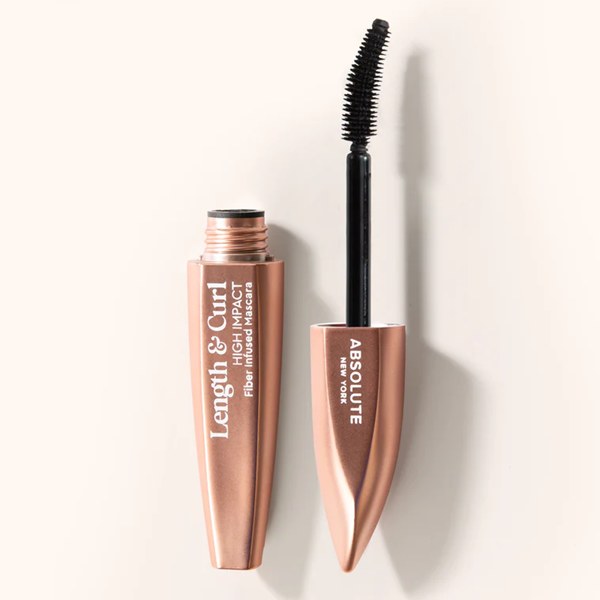
1. Mascara and Eyeliner
These products:
-
have shorter shelf lives (3–6 months)
-
use relatively simple formulations
Spending more doesn’t significantly improve performance.
Drugstore mascaras today deliver:
-
volume
-
length
-
curl
at a fraction of the cost.
2. Brow Products
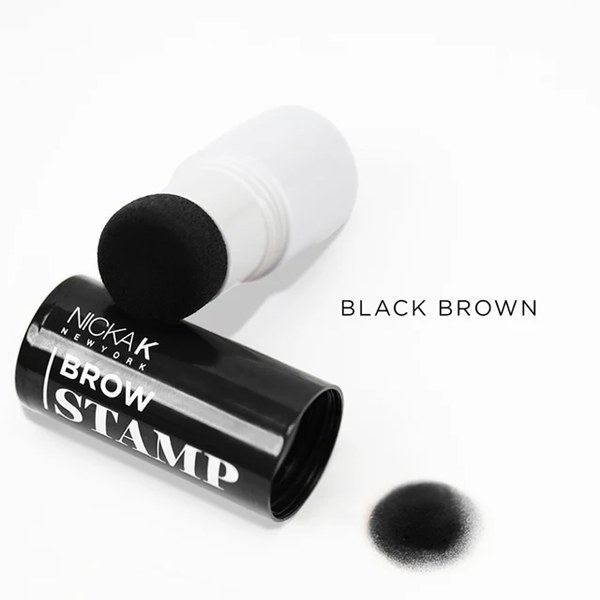
Brow pencils and gels are:
-
wax-based
-
pigment-focused
This makes them easier to replicate across price points.
3. Blush, Bronzer, and Highlighter
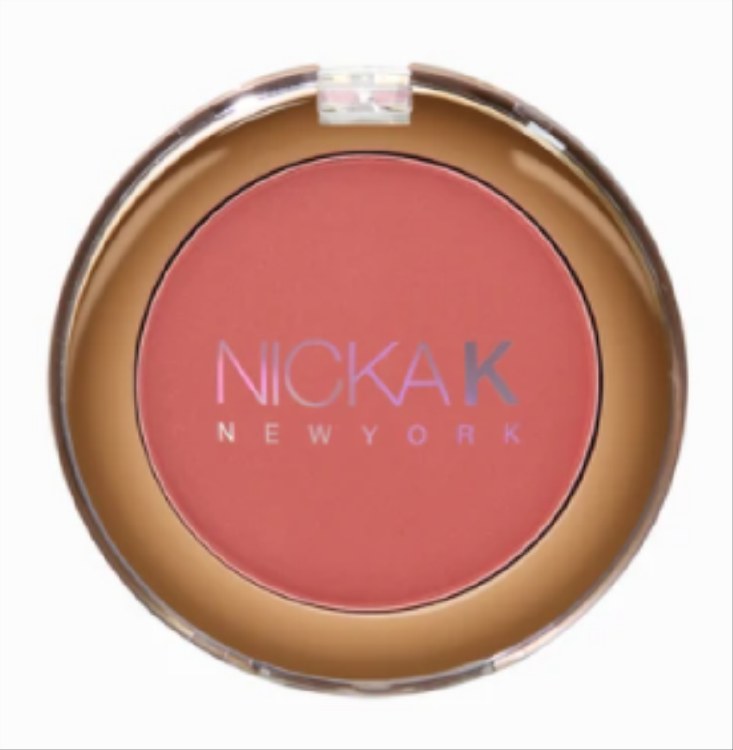
Powder formulas are less complex than liquids.
Many affordable options now offer:
-
strong pigmentation
-
smooth blending
-
decent wear time
4. Lip Products
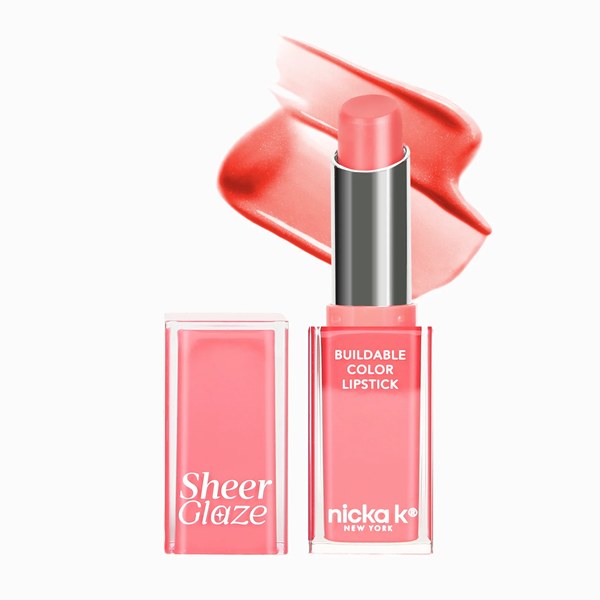
Lip trends change frequently, making this a smart category to save.
Drugstore lip products now match high-end in:
-
color payoff
-
comfort
-
finish
The Rise of Makeup Dupes - Are They Worth It?
Dupes have become a major part of the beauty industry.
A dupe is:
An affordable product that mimics the color, texture, or performance of a high-end product
For example, brands like e.l.f. Cosmetics are known for creating budget-friendly alternatives inspired by premium formulas.
However, not all dupes are identical.
Differences may include:
-
wear time
-
ingredient quality
-
skin compatibility
Cost Breakdown - Is Expensive Makeup Worth It?
Looking at cost per use changes the conversation.
Example:
-
$50 foundation (60 uses) → $0.83 per use
-
$12 foundation (20 uses) → $0.60 per use
The difference is smaller than expected.
But if the cheaper product:
-
requires reapplication
-
doesn’t last as long
Then the higher-end option may provide better overall value.
Common Mistakes People Make When Choosing Makeup
Understanding these mistakes can help you avoid wasting money, reduce trial-and-error, and build a routine that actually works for your skin and lifestyle.
1. Assuming Price Equals Quality
It’s easy to believe that a higher price automatically means better performance, but in beauty, that’s not always true.
A significant portion of the cost of high-end makeup often goes toward:
-
branding and marketing
-
luxury packaging
-
retail experience
not just the formula itself.
In reality, many drugstore products use similar base ingredients and can deliver comparable results, especially in categories like mascara, lip products, and powders.
The key difference lies in formulation complexity, not price. For example:
-
A high-end foundation may perform better due to refined pigments and longer wear
-
But a high-end lip balm may not offer dramatically different results than an affordable one
Instead of judging by price, focus on reviews, formulation type, and performance in that specific category.
2. Ignoring Skin Type
Your skin type plays a bigger role in how a product performs than its price tag.
A foundation that looks flawless on someone with dry skin may:
-
separate
-
look patchy
-
or wear off quickly on oily skin
Similarly, a matte product designed for oil control might:
-
emphasize dryness
-
cling to texture
Common mismatches include:
-
Using dewy foundations on oily skin → leads to excess shine
-
Using matte formulas on dry skin → causes flaking or dullness
This is why two people can use the same product; one loves it, the other hates it.
For a deeper breakdown of how to match products to your skin type, check out how to choose the right skincare routine for your skin type. Always choose makeup based on how it interacts with your skin, not how popular or expensive it is.
3. Following Trends Blindly
Social media has made beauty trends move faster than ever.
Products go viral overnight, but that doesn’t mean they work for everyone.
Many trending products are:
-
optimized for camera (not real life)
-
heavily filtered or edited in videos
-
applied by professionals with ideal lighting
For example:
-
A full-coverage foundation trending online may feel heavy for daily wear
-
A glossy lip trend may not be practical in humid climates
Another issue is overconsumption, buying multiple trending products that end up unused. Instead of chasing trends, ask:
-
Does this suit my skin type?
-
Does it fit my daily routine?
-
Will I actually use this regularly?
Trends should inspire, not dictate, your buying decisions.
4. Skipping Ingredient Awareness
Many people overlook ingredients, but they can directly impact how your skin reacts to a product.
This is especially important if you have:
-
sensitive skin
-
acne-prone skin
-
allergies
Certain ingredients may:
-
clog pores (comedogenic ingredients)
-
cause irritation (fragrance, alcohol)
-
trigger breakouts
At the same time, beneficial ingredients like:
-
hyaluronic acid (hydration)
-
niacinamide (oil control, calming)
-
antioxidants (skin protection)
can improve how makeup performs over time.
According to guidance from organizations like the American Academy of Dermatology, understanding ingredient labels can help reduce irritation and improve overall skin health. You don’t need to memorize every ingredient, but being aware of what works (and doesn’t work) for your skin makes a huge difference. A product that looks good initially isn’t worth it if it harms your skin long-term.
How to Build a Smart Makeup Routine (Save vs Splurge Strategy)
Step 1 - Prioritize Performance Categories
One of the smartest ways to build a cost-effective makeup routine is to focus your budget on products that have the biggest impact on how your makeup looks and lasts.
Not all makeup products are created equal, some categories rely on more advanced formulations, while others are relatively simple and perform similarly across price points.
Spend More On - High-Impact, Performance-Driven Products
These are the products that directly affect your skin’s appearance, texture, and wear time throughout the day. Like your foundation.
Long-Wear Products (Where Longevity Matters)
If your day involves:
-
long work hours
-
events
-
heat or humidity
-
minimal time for touch-ups
Then investing in long-wear formulas can make a noticeable difference.
These include:
-
setting sprays
-
long-wear foundations or concealers
-
primers designed for oil control or hydration
Higher-end versions often use advanced film-forming agents that help lock makeup in place and maintain its structure over time. You’re not just paying for how the product looks initially; you’re paying for how it performs hours later.
Save On - Everyday Essentials
These are products where the formulation is simpler, and the performance gap between drugstore and high-end is minimal.
Daily Use Products
Items like:
-
mascara
-
basic eyeliners
-
lip balms or glosses
-
brow pencils
They are often replaced frequently and don’t require highly complex formulations.
Drugstore options in these categories now offer:
-
strong pigmentation
-
reliable wear
-
excellent value for money
Spending more here rarely translates into significantly better results, making them ideal areas to save.
Low-Risk Categories
Products that don’t heavily impact overall makeup longevity, like:
-
blush
-
bronzer
-
highlighter
can often be purchased affordably without sacrificing quality. Build your routine like a hierarchy, invest in the foundation (literally), and save on the finishing touches.
Step 2 - Understand Your Skin
Even the best makeup products won’t perform well if they don’t match your skin type.
In fact, skin compatibility is often more important than price or brand.
Why Skin Type Matters
Makeup interacts directly with your skin’s natural characteristics, such as oil production, hydration levels, and texture.
For example:
-
Oily skin may break down makeup faster, leading to shine and separation
-
Dry skin may absorb moisture from products, causing flaking or patchiness
-
Combination skin may need different approaches for different areas of the face
This is why a product that works perfectly for one person may fail completely for another.
Matching Products to Your Skin
Choosing the right formulation based on your skin type can dramatically improve results:
For Oily Skin:
-
Look for - matte, oil-free, long-wear formulas
-
Avoid - overly dewy or heavy cream products
For Dry Skin:
-
Look for - hydrating, dewy, or serum-based foundations
-
Avoid - overly matte formulas that emphasize dryness
For Sensitive or Acne-Prone Skin:
-
Look for - fragrance-free, non-comedogenic products
-
Pay attention to ingredient lists
Why This Step Saves You Money
Many people end up buying multiple products, not because they’re low quality, but because they’re not suited to their skin.
Understanding your skin reduces:
-
unnecessary purchases
-
product waste
-
frustration from trial and error
Step 3 - Focus on Long-Term Value
Think beyond price, consider:
-
How often you use it
-
How long it lasts
Step 4 - Mix Drugstore and High-End
The best routines are balanced.
You don’t need:
-
all luxury
-
or all budget
You need what works.
Final Verdict
The beauty industry has changed. Drugstore makeup is no longer basic, and high-end makeup is no longer automatically superior.
The smartest approach is:
-
splurge where formulation matters
-
save where performance is similar
Modern beauty is about informed choices, not higher spending.
FAQs
Is drugstore makeup as good as high-end?
In many categories like mascara, brow products, and lip products, yes. However, high-end makeup still performs better in complex formulations like foundation and eyeshadow.
Why is high-end makeup more expensive?
It includes costs related to formulation, ingredient sourcing, packaging, branding, and retail positioning.
What makeup should I splurge on?
Foundation, eyeshadow, and setting spray are typically worth the investment due to their impact on overall look and longevity.
Are makeup dupes reliable?
Some are very close in performance, but differences may exist in wear time and ingredient quality.
How do I build a budget-friendly makeup routine?
Use a mix of drugstore and high-end products, focusing spending on categories that impact performance the most.